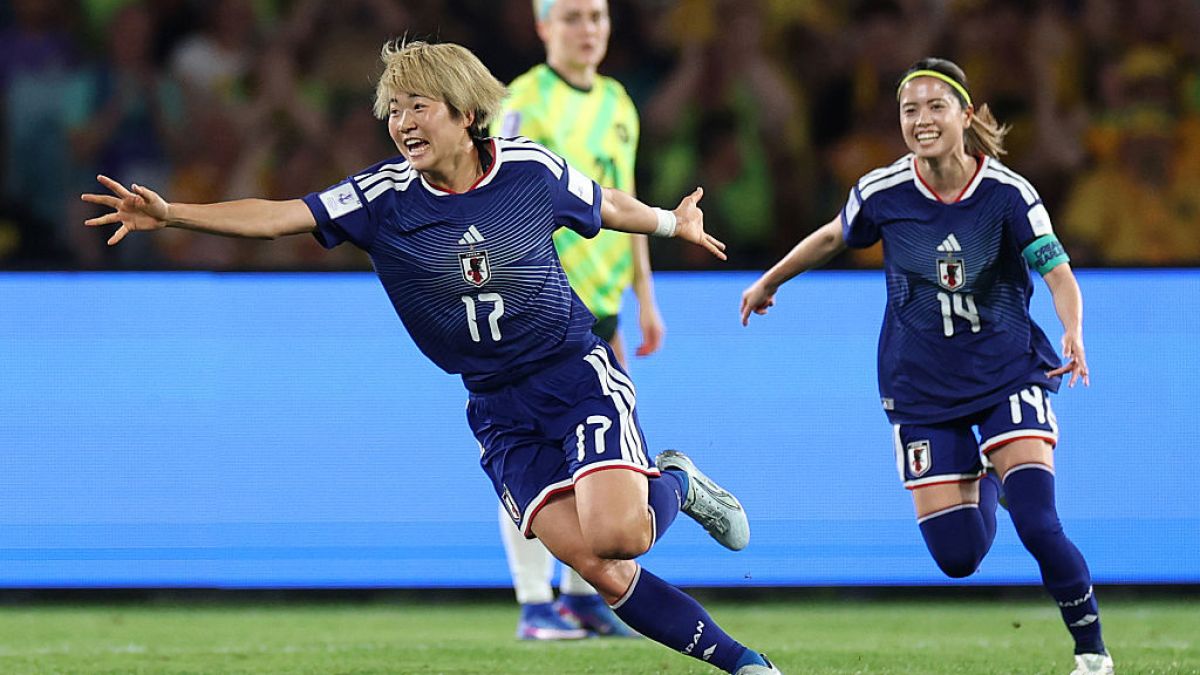
The Women’s Asian Cup 2026 final pits host nation Australia (Matildas) against two-time champions Japan (Nadeshiko Japan) on March 21, 2026, at Stadium Australia, Sydney. This fixture is less about immediate victory and more a litmus test of national program strategic efficacy, especially for Australia seeking its first major trophy since 2010.
Coaching Trajectories and Tactical Divergence
Montemurro’s Mandate: Incomplete Possession Integration
Matildas manager Joe Montemurro, appointed in June, is integrating a possession-focused, entertainment-driven philosophy. Tournament performance volatility suggests this tactical framework remains operationally immature, creating systemic vulnerabilities against a disciplined opponent like Japan. Success hinges on accelerating this integration or relying disproportionately on individual brilliance, as cohesive system execution under final pressure is unproven.
Nielsen’s Execution: Leveraging Elite League Exposure
Japan, guided by Nils Nielsen, benefits from a squad whose core players compete consistently in the high-intensity environment of the Women’s Super League (WSL). This exposure translates to a higher baseline of tactical discipline and structural resilience, affording Japan an advantage in managing high-leverage moments compared to Australia’s ongoing developmental phase.
Historical Context and Performance Leverage
Australia’s Pressure Cooker: Ending the Drought
Australia carries the institutional weight of terminating a trophy drought dating back to 2010. This context forces the Matildas into a high-risk posture: either force-feed Montemurro’s philosophy or rely on disruptive individual efforts. Systemic strength benchmarks against Japan suggest Australia faces a significant uphill battle based on contemporary player deployment models.
Japan’s Consistency and Winning Culture
As reigning two-time champions (ranked world No. 6), Japan demonstrates a sustained, successful development model integrating international experience. The expressed focus by figures like Hasegawa on securing another title highlights an ingrained winning culture capable of navigating final-match psychological demands. Japan enters with operational consistency; Australia seeks an immediate performance leap.
Structural Implications and Talent Migration
The WSL Effect on Competitive Readiness
The concentration of Japanese elite talent in the WSL underscores the globalization of player development, where external competitive exposure directly correlates with national team strength. This dynamic pressures domestic leagues like Australia’s A-League Women. Expatriate players like Carpenter face intensified scrutiny to translate overseas experience into decisive championship outcomes.
The Final as a Strategic Review
The match serves as a direct performance review for both federations’ administrative decisions regarding coaching appointments. If Australia wins, it validates Montemurro’s aggressive timeline for philosophical implementation. If Japan wins, it reinforces the efficacy of integrating external coaching expertise (Nielsen) with a robust, internationally seasoned player pool.
The operational challenge for Australia is translating possession into controlled dominance rather than high-turnover vulnerability against Japan’s transitional expertise. Conversely, Japan’s advantage lies in systemic consistency, suggesting a lower operational variance when the game inevitably tightens. The venue, Stadium Australia, offers a home-field leverage factor, but its impact must overcome Japan’s demonstrated ability to perform consistently in high-stakes, foreign environments.