Pussycat Dolls Reunion: The Paradox of Strategic Image Control vs. Internal Disunity
The attempted reunion of the Pussycat Dolls highlights a common challenge in managing legacy pop brands: balancing a high-impact external public relations strategy with internal stakeholder alignment. The public narrative surrounding the reunion focused heavily on the visual aesthetic of Nicole Scherzinger during promotional events, while concurrently, internal claims from a founding member exposed significant disunity, creating a paradox that threatens the brand’s integrity and long-term viability.
Strategic Repositioning Through Individual Brand Equity
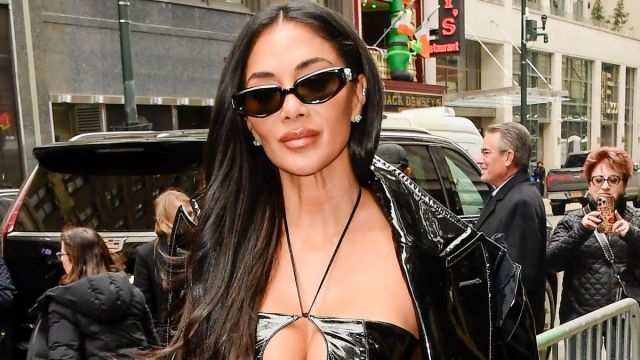
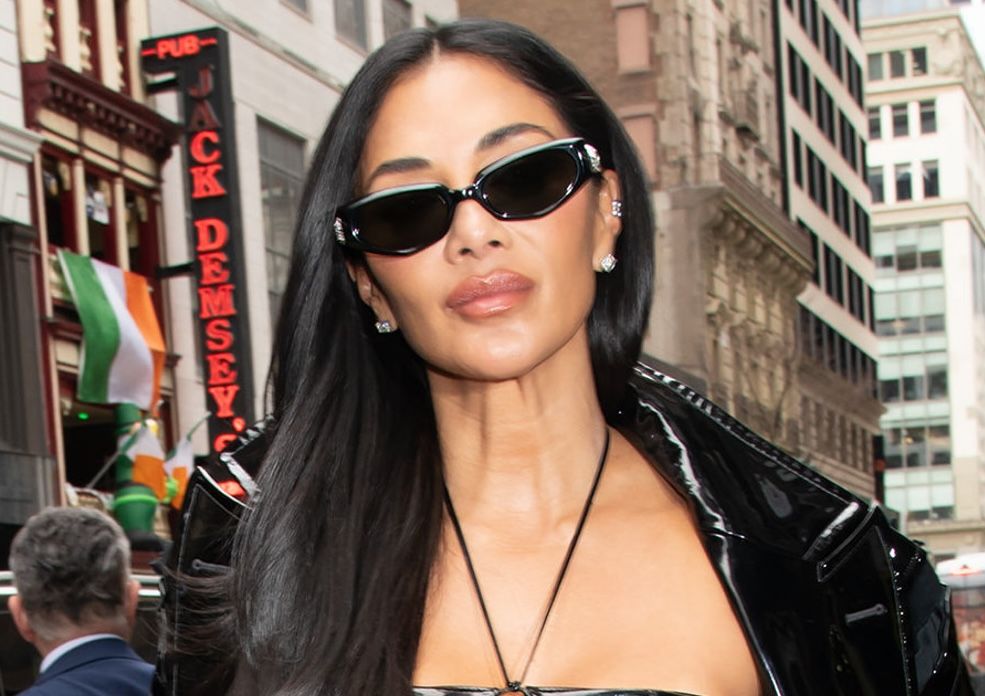
Scherzinger’s promotional choices, specifically her appearance in a ‘Matrix-coded’ black latex dress and matching trench coat, were highly calculated strategic assets. For a legacy act seeking relevance in a contemporary market, this visual strategy aimed to project control, modernity, and high-stakes glamour, moving beyond simple nostalgia. This approach positions the group not as a relic of the past, but as a current cultural force, essential for generating media buzz and attracting high-value brand partnerships.
The strategic decision to center the narrative on Scherzinger’s individual brand equity serves a dual purpose: it leverages her established persona to drive initial interest in the reunion and provides a buffer against potential negative press. By dominating the visual narrative, the group’s management attempts to divert public attention from underlying internal issues. This strategy, however, carries inherent risks to long-term group cohesion and perceived authenticity, as it reinforces an existing power dynamic where one member’s individual identity overshadows the collective brand.
Operational Risk and Stakeholder Disalignment
The carefully curated public image of a cohesive reunion contrasts sharply with claims made by original Pussycat Dolls member Carmit Bachar, who publicly stated she was not invited to participate in the tour. This claim introduces a critical element of internal conflict that immediately challenges the authenticity of the reunion. In the context of a legacy group reunion, stakeholder alignment among all original members is critical for both operational success and brand integrity. Bachar’s public statement suggests unresolved internal governance issues and potential legal complexities surrounding intellectual property and performance rights for the group’s catalog.
The lack of consensus among key stakeholders complicates operational logistics, set design, and performance arrangements, particularly for a reunion tour that relies on delivering a nostalgic experience while demonstrating contemporary relevance. The decision to proceed with a partial lineup prioritizes a streamlined, potentially more profitable, touring structure over full historical integrity. This strategic choice risks alienating a core segment of the fanbase that values the complete original lineup, creating market confusion and potentially depressing ticket demand.
Financial and Reputational Consequences
The financial viability of a legacy group reunion depends heavily on market perception of unity and stability. Bachar’s claim introduces a level of uncertainty that can impact negotiations with promoters, sponsors, and record labels, as financial stakeholders seek to minimize risk. The source facts suggest a misalignment between the public relations strategy and internal realities; while Scherzinger’s fashion choices create a high-value image, Bachar’s claim creates a counter-narrative of disarray. This conflict creates a significant competitive vulnerability, as other groups attempting similar comebacks can emphasize their own internal cohesion and complete lineups. The Pussycat Dolls’ management prioritized external perception and media buzz, a decision that carries significant long-term risks for brand equity and operational stability.