TSA Faces Critical Staffing Shortage Amid Government Shutdown
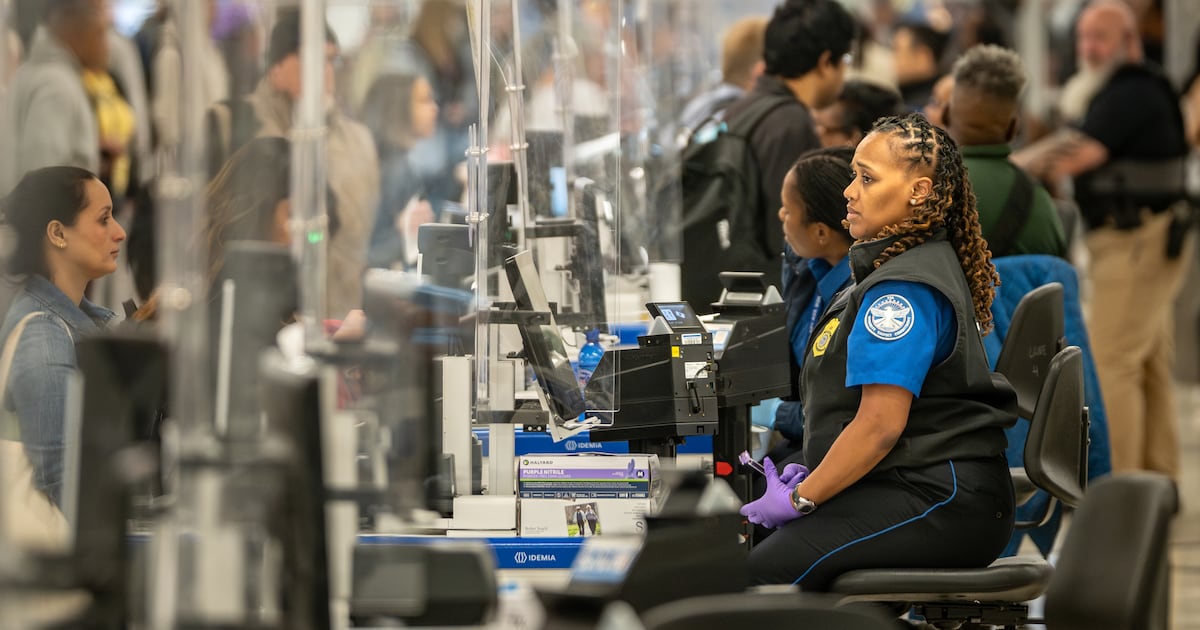
The Transportation Security Administration (TSA) is experiencing a deepening staffing crisis, with officers working without full pay due to the ongoing partial government shutdown impacting the Department of Homeland Security. This lapse has resulted in TSA personnel missing their initial full paychecks, forcing difficult personal and professional decisions and raising serious concerns about operational continuity.
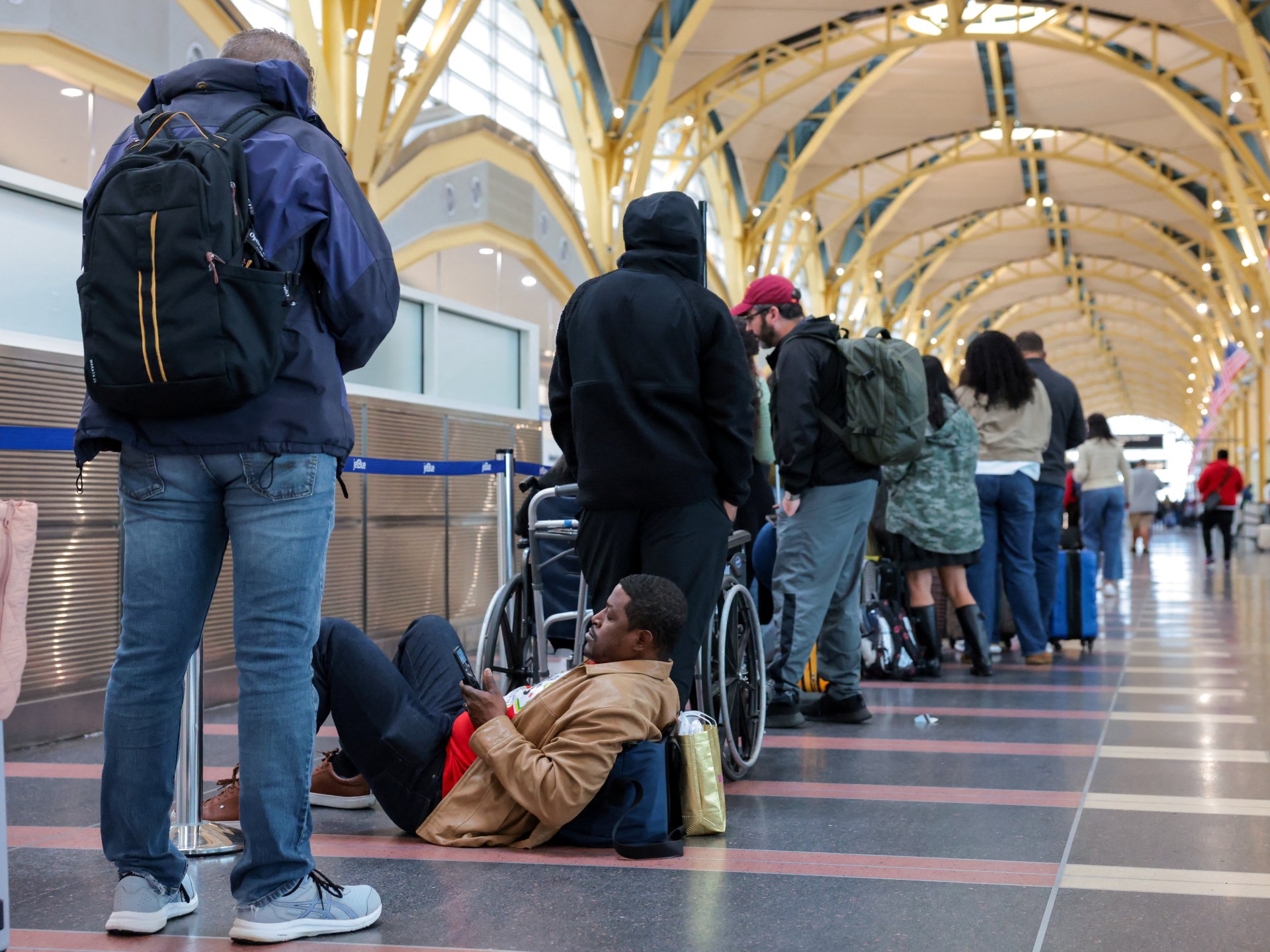
The financial strain on TSA employees is creating a significant ripple effect across major U.S. airports. Authorities are warning of potentially escalating wait times at security checkpoints. The agency’s operational capacity is described as severely stretched, a critical vulnerability that could lead to widespread disruptions for air travelers nationwide.
Operational Strain and Looming Airport Disruptions
The immediate consequence of unpaid TSA staff is unpredictable and prolonged wait times at security checkpoints across the U.S. Hartsfield-Jackson Atlanta International Airport, a major hub, is among the facilities reporting these increased delays, highlighting the systemic nature of the staffing challenges.
The acting deputy administrator for the TSA has issued a stark warning: continued funding lapses for the Department of Homeland Security could necessitate the shutdown of some U.S. airports. This represents a significant escalation from traveler inconvenience to a potential national security and economic crisis, underscoring the vital role of TSA personnel in maintaining air travel infrastructure.
Worker Hardship and Retention Risks
The financial pressures on TSA officers are compelling them to seek alternative employment to cover essential expenses like utilities, childcare, and healthcare. This dilemma forces a choice between commitment to public service and immediate economic survival, posing a severe retention risk for the agency.
Reports indicate hundreds of TSA workers have already resigned due to unpaid wages, directly exacerbating existing staffing shortages. The loss of experienced personnel not only increases the burden on remaining staff but also jeopardizes the long-term stability and effectiveness of airport security operations.
Political Impasse Fueling Crisis
The root cause of the TSA staffing crisis is the partisan gridlock over funding for the Department of Homeland Security. The prolonged impasse on Capitol Hill, characterized by demands for policy concessions unrelated to security funding, has direct and tangible consequences for national infrastructure and public safety.
This political stalemate highlights a systemic failure to prioritize critical government functions, with airport security emerging as a highly visible and vulnerable point of impact. The inability to pass essential funding bills demonstrates a disregard for the operational readiness of crucial agencies.
Strategic Implications for Aviation and National Security
The current situation presents significant strategic challenges for the aviation industry and national security apparatus. Relying on a workforce vulnerable to financial destabilization by political disputes creates inherent fragility in a sector vital to the U.S. economy and global connectivity.
Long-term implications include potential erosion of public trust in the TSA’s security capabilities, increased operational costs for airlines due to delays, and a heightened risk of security breaches if staffing falls below critical thresholds. This crisis underscores the need for more stable and predictable funding mechanisms for essential government services, particularly those directly impacting public safety and economic stability.
Broader Context of Shutdowns and Essential Worker Hardship
This TSA staffing crisis is a recurring consequence of government shutdowns, a frequent feature of U.S. politics. These shutdowns disproportionately affect essential workers, who are required to work without immediate compensation, creating undue hardship and undermining morale. The political brinkmanship and partisan posturing directly impact the operational readiness of critical agencies, placing the burden on frontline workers and the public.
Incentives, Risk Distribution in Shutdown Dynamics
The incentives driving shutdown dynamics stem from political leverage. One party aims to force policy concessions through government disruption, while the other may seek to demonstrate fiscal discipline or resist perceived overreach. This creates a zero-sum game with unevenly distributed risks.
TSA officers, as essential personnel, bear the immediate risk of financial instability and personal hardship. Airlines and travelers face significant delays and disruptions, impacting economic activity and convenience. The broader systemic risk involves potential degradation of security standards and a loss of public confidence in the government’s ability to manage essential services effectively.
Capital Movement, Performance Leverage in Political Stalemate
While direct capital movement is not immediately evident, indirect financial implications are substantial. Airlines may incur additional costs from delays and cancellations, impacting profitability and requiring operational adjustments. The broader economic impact of disrupted travel, including lost business and reduced consumer spending, can also be significant.
The performance leverage for policymakers lies in resolving the funding impasse. Failure exposes governance weaknesses and can diminish the perceived competence of federal institutions. Conversely, a swift resolution could restore confidence and mitigate economic damage, demonstrating effective leadership and commitment to operational continuity.
Downstream Effects on Markets and Institutions
The TSA staffing issues have downstream effects beyond immediate airport environments. Perceived instability in a critical agency can influence investor confidence in related sectors like travel and logistics. It can also strain relationships between federal agencies and private sector partners.
Institutions responsible for national security and economic stability are exposed. The Department of Homeland Security faces reputational damage, while the Treasury Department may see indirect impacts on consumer spending and business investment. The Federal Aviation Administration (FAA) also faces operational challenges adapting to potential disruptions from TSA staffing shortages.
Strategic Decisions and Future Preparedness for Funding
The current crisis necessitates a strategic re-evaluation of funding and management for essential government services, especially those with direct public-facing operations. Relying on annual appropriations battles for agencies like DHS creates recurring vulnerability exploitable for political gain, at the expense of operational stability.
Future preparedness likely requires more robust, less volatile funding mechanisms for critical national security and economic agencies. This could involve multi-year appropriations, contingency funds, or decoupling essential operational budgets from contentious policy debates, insulating critical infrastructure from partisan leverage.
Stakeholder Implications and Consequence Analysis
Stakeholder implications are multifaceted. TSA officers face immediate financial hardship and career uncertainty. Travelers endure inconvenience, missed connections, and potential financial losses from delays. Airlines and the travel industry face increased operational costs, reputational damage, and revenue losses.
Government institutions, including DHS, face scrutiny over crisis management and ensuring public safety. The long-term consequence could be diminished public perception of government efficiency and reliability, impacting civic engagement and trust. Effective crisis management and stable funding are paramount.
Competitive Landscape and Industry Positioning Impacted
While not a direct competitive market, TSA operates within an ecosystem valuing efficiency. Disruptions indirectly affect the competitive positioning of airlines and airports perceived as unreliable due to security delays. Travelers might seek alternatives if airport security becomes consistently problematic.
The crisis highlights political arena pressures where leverage is a key strategy. However, this internal government dynamic directly undermines critical public service performance, creating a disconnect between political strategy and public welfare.
Capital Allocation and Resource Management Failures
The current situation reflects failures in federal capital allocation and resource management. Essential personnel not receiving timely compensation indicates a breakdown in financial mechanisms supporting government operations. This misallocation, driven by political priorities over operational needs, directly impacts the agency’s effectiveness.
Long-term impacts of such mismanagement include declining service quality, increased inefficiencies, and loss of skilled personnel. Rebuilding trust and capacity requires stable funding and effective resource management, moving beyond short-term political considerations.
Performance Leverage and Accountability in Funding Stalemate
Performance leverage is directly tied to resolving the funding dispute. Until a legislative solution is reached, TSA’s operational performance remains compromised, impacting traveler experience and national security readiness. Accountability for these disruptions rests with legislative appropriators and the executive branch managing the shutdown’s effects.
Clear accountability frameworks for government shutdowns are crucial. This involves identifying responsibility for impasses and implementing mechanisms to prevent recurrences. The current situation demonstrates a deficiency in these frameworks, allowing critical services to be jeopardized by political negotiations.
Market Dynamics and Consumer Confidence Erosion
Airport disruptions can influence travel sector market dynamics. Persistent delays and uncertainty can erode consumer confidence in air travel, potentially impacting demand and revenue for airlines and related businesses. This can create a negative feedback loop, discouraging travel and further impacting the industry.
Strategic responses from airlines and airports are critical for managing consumer perception. Transparent communication on wait times, proactive schedule adjustments, and mitigation of passenger inconvenience can help preserve confidence. However, the ultimate solution requires restoring TSA’s operational stability.
Institutional Resilience and Systemic Risk Assessment Needs
The TSA’s predicament highlights a vulnerability in institutional resilience. Agencies critical to national infrastructure and public safety should be insulated from short-term political disputes. The current funding mechanism, however, exposes them to significant systemic risk.
A thorough systemic risk assessment would identify such dependencies and advocate for structural reforms. This includes evaluating cascading effects of disruptions and bolstering the resilience of essential government functions against political volatility.
Strategic Decision-Making and Policy Imperatives
The ongoing shutdown compels a critical examination of U.S. government strategic decision-making. Using government funding as primary leverage in policy debates, while a common tactic, carries significant operational and reputational costs.
Policy implications are clear: a need for predictable, stable funding for essential government services. This may involve bipartisan reform of appropriations processes, ensuring critical functions like airport security are insulated from partisan negotiations to safeguard national interests and public welfare.