Roster Attrition and the Philadelphia Tactical Vacuum
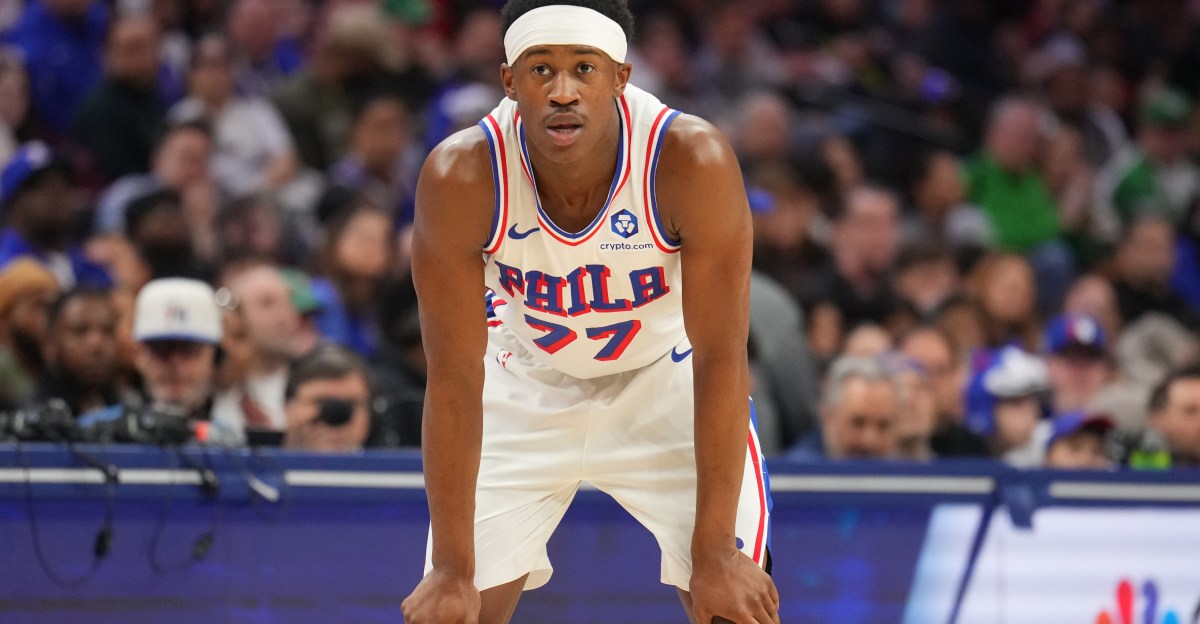
The matchup between the Philadelphia 76ers and Sacramento Kings at Golden 1 Center serves as a case study in personnel-driven volatility. Philadelphia enters this contest following a 124-96 regression against Denver, a loss that underscored the fragility of their secondary rotations. The downgrade of Joel Embiid to ‘out’—compounded by the absences of Tyrese Maxey and Paul George—effectively removes 100% of the team’s primary shot-creation hierarchy. This personnel deficit creates a systemic vacuum, forcing a reliance on deep-bench units that lack established defensive gravity.
Furthermore, the frontcourt depth is severely compromised by the unavailability of Johni Broome and Kelly Oubre Jr. This lack of verticality has resulted in the 76ers ranking at the bottom of the league in effective field goal percentage (eFG%) for the current month. Statistically, this inefficiency produces a high-volume rebounding environment; without elite rim protection to secure the defensive glass, Philadelphia remains highly susceptible to second-chance points and transition vulnerability.
Sacramento’s Lottery-Centric Roster Management
With a record of 18-52, the Sacramento Kings have transitioned into a phase of lottery-incentivized management. The absence of Domantas Sabonis and Zach LaVine aligns with a strategic prioritization of long-term asset evaluation over immediate win-loss outcomes. However, this ‘tanking’ context does not imply a lack of competitive effort; rather, it facilitates a redistribution of usage rates among remaining veterans. The redistribution of Sabonis’s facilitation duties creates a statistical floor for high-motor players to exert disproportionate influence on the game’s flow.
Rebounding Leverage: The Westbrook Factor
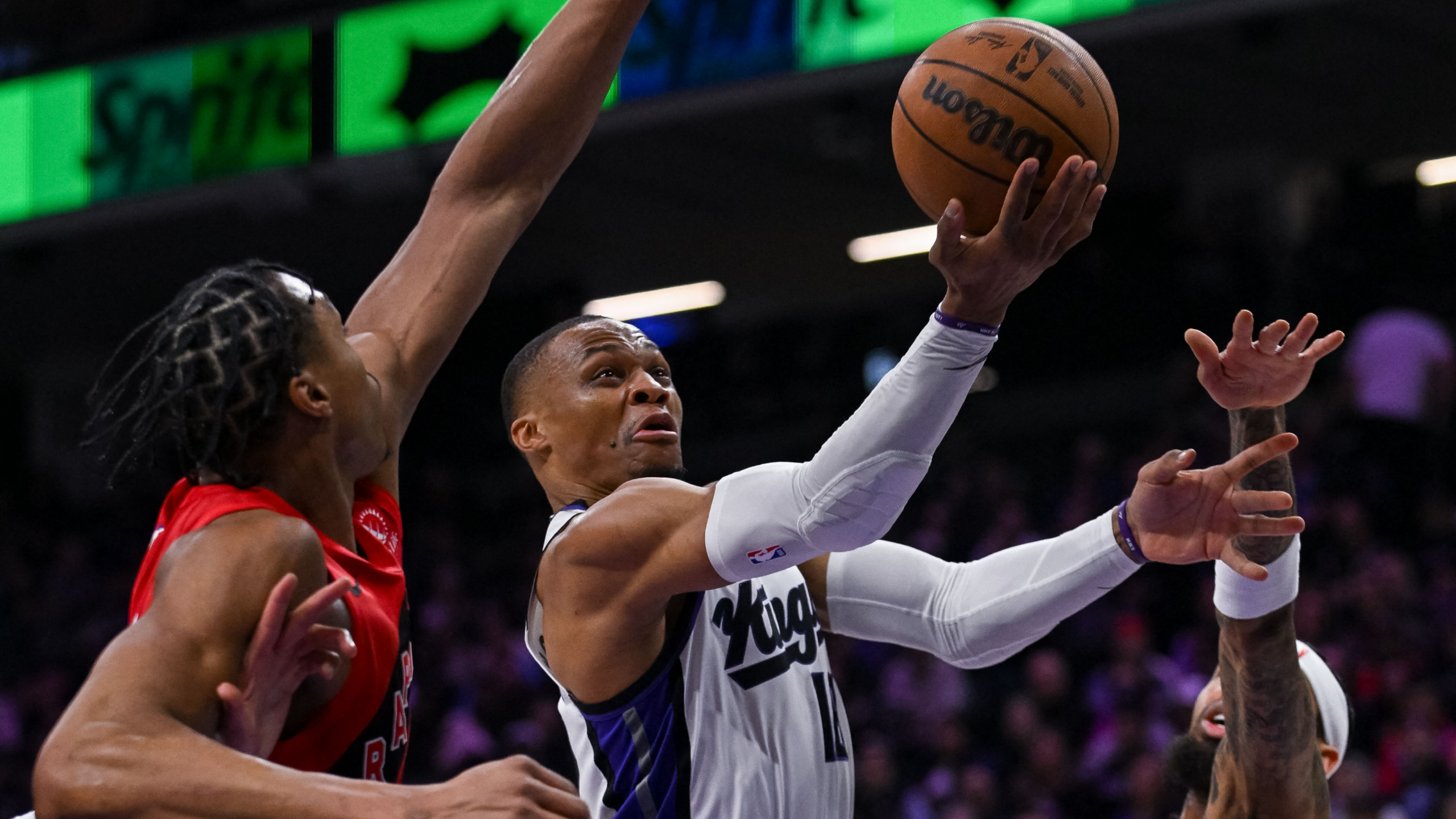
Russell Westbrook has emerged as the primary beneficiary of Sacramento’s current roster architecture. Averaging 16.9 points, 8.1 assists, and 5.1 rebounds over his last nine games, Westbrook provides a high-intensity veteran presence in a developmental system. The tactical interaction between Westbrook’s rebounding prowess and Philadelphia’s shooting struggles is a key focal point. Given the 76ers’ inability to contest the glass without Embiid or Oubre Jr., Westbrook is positioned to maximize his rebounding floor, initiating fast-break opportunities that capitalize on Philadelphia’s disorganized transition defense.
Institutional Implications and Market Volatility
From an institutional perspective, this matchup highlights the volatility inherent in late-season NBA scheduling. The late-stage removal of star talent significantly shifts market valuations and offers a data set on how organizations function under extreme personnel stress. For Philadelphia, this game is a critical assessment of their developmental pipeline; for Sacramento, it serves as a benchmark for veteran integration within a rebuilding core. The outcome will likely dictate rotational adjustments and star reintegration timelines as the postseason approach intensifies the pressure on depth management.