
The dismissal of Adrian Autry after just two seasons signals an aggressive pivot in Syracuse basketball’s institutional philosophy. By abandoning the decades-long stability of the Jim Boeheim era, the administration has signaled a shift toward a performance-mandated model where historical loyalty no longer guarantees tenure. This volatility reflects a program struggling to reconcile its storied past with a contemporary reality defined by a competitive ACC and the pressures of the transfer portal era.
The Strategic Case for Gerry McNamara
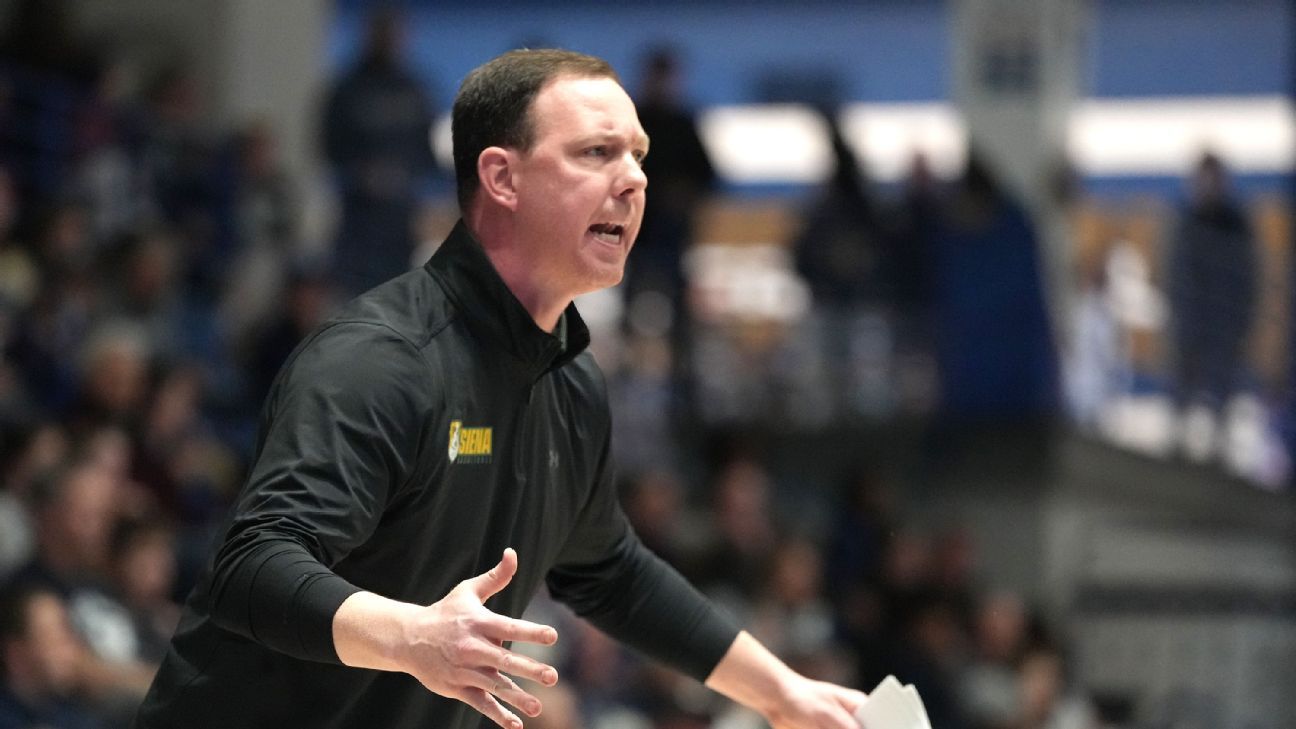
Gerry McNamara has emerged as the primary candidate to stabilize the program, offering a rare combination of deep institutional memory and external head coaching validation. His 15-year tenure as a Syracuse assistant ensures a turnkey understanding of the program’s donor infrastructure and regional recruiting pipelines. However, it is his current trajectory at Siena—culminating in a 23-11 record and a MAAC tournament title in his debut season—that transforms him from a legacy hire into a data-driven choice.
McNamara’s candidacy represents a tactical compromise: he satisfies the alumni base’s desire for ‘Syracuse DNA’ while providing a proven ability to maximize roster efficiency under postseason pressure. His public commitment to Siena during their NCAA tournament run against top-seeded Duke further underscores his professional ethics, a critical trait for a program seeking to rebuild its cultural foundation.
Structural Devaluation and the Post-Boeheim Vacuum
The Syracuse head coaching position, once considered a top-tier destination, is undergoing a perceptible market devaluation. The program’s struggle to maintain winning consistency post-transition suggests that the internal-only promotion model may be insufficient to navigate the modern collegiate landscape. Industry insiders note that the ‘Syracuse brand’ has eroded due to recent losing seasons, increasing the risk profile for any successor.
The ‘unfortunate’ nature of Autry’s exit reveals a lack of internal consensus regarding the timeline for a rebuild. By prioritizing immediate tournament returns over developmental cycles, the administration has raised the stakes for the next hire. This environment favors a candidate like McNamara, whose existing cultural capital provides a temporary buffer against the high-pressure demands of the central New York market.
Operational Validation at Siena
McNamara’s performance at Siena serves as a critical proof of concept. Winning a conference championship in Year 1 demonstrates tactical acumen and program management skills that are often unproven in long-term assistants. For Syracuse, this minimizes the ‘on-the-job training’ risk that hampered the Autry era. The Saints’ 23-11 record isn’t just a milestone; it is an analytical indicator of McNamara’s ability to implement a winning culture rapidly.
The NCAA Tournament: An Informal Audition
The upcoming clash with No. 1 Duke serves as a high-visibility showcase for McNamara’s coaching ceiling. While his immediate focus remains on the Siena student-athletes, the optics of competing against elite ACC talent will inevitably influence the Syracuse search committee. A competitive showing would validate his readiness to lead a high-major program and potentially accelerate his return to his alma mater.
Conclusion: Reclaiming Program Identity
The outcome of this search will dictate whether Syracuse remains a national power or drifts toward mid-tier status in the ACC. Hiring McNamara would be a strategic attempt to restore the program’s core values through a leader who understands both its history and the modern requirements of winning. As the coaching carousel turns, Syracuse must decide if it is seeking a total transformation or a refined return to the legacy model that once defined its greatness.

Photo by Tama66 on Pixabay.