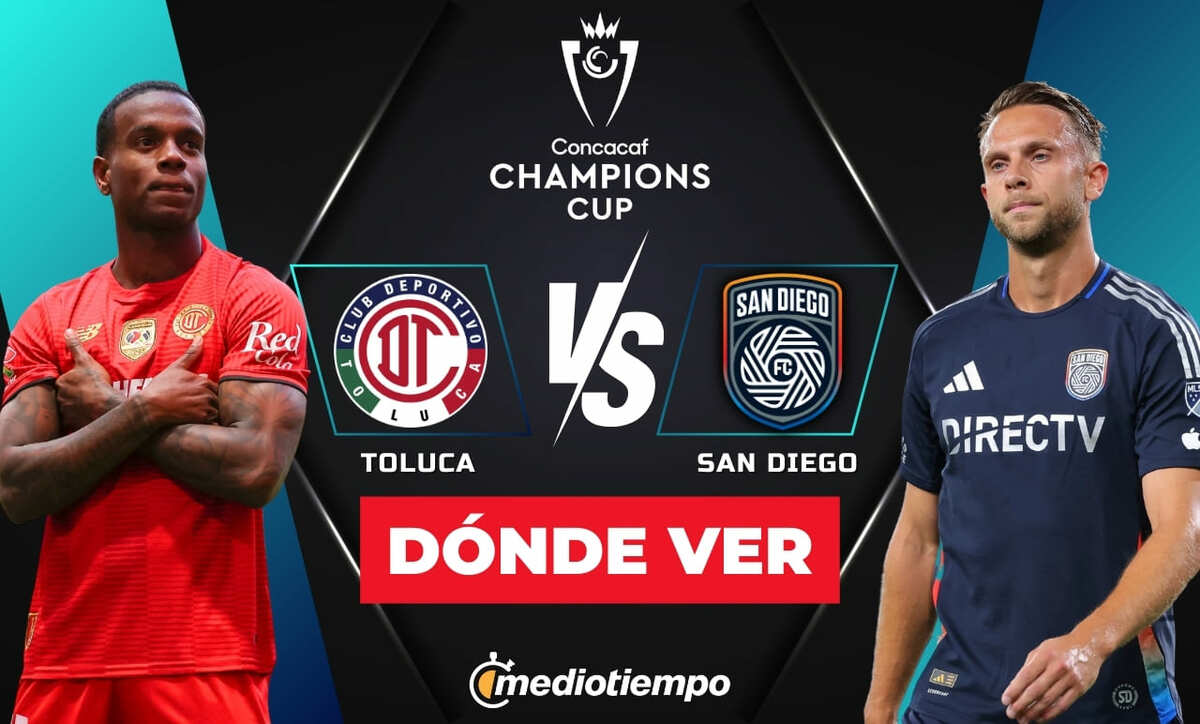
Concacaf Champions Cup: Toluca Faces High-Stakes Remontada Against San Diego FC
The second leg of the Concacaf Champions Cup Round of 16 between Deportivo Toluca and San Diego FC presents a significant strategic challenge for the Mexican club, following a 3-2 defeat in the first leg. Scheduled for Wednesday, March 18, 2026, at the Nemesio Diez stadium, the match carries heightened institutional implications as a key battleground in the evolving rivalry between Liga MX and Major League Soccer (MLS).
Toluca’s Strategic Imperatives: Overcoming the Away Goal Deficit and Institutional Pressure
Toluca enters the match facing a deficit compounded by the away goals rule. To advance outright, Toluca must secure a victory by at least a two-goal margin (e.g., 2-0, 3-1). A 1-0 or 2-1 victory would see them eliminated on away goals (San Diego FC having scored three away goals to Toluca’s one). A 3-2 victory would level the away goals aggregate and force extra time. This scenario places immense pressure on coach Antonio Mohamed to balance aggressive offensive execution with strict defensive discipline.
For Toluca, a club with significant historical standing in Liga MX, this match represents more than progression in a tournament; it is a test of institutional resilience against a rising MLS counterpart. A deep run in the Concacaf Champions Cup is essential for securing a potential berth in the expanded FIFA Club World Cup, offering significant financial and reputational benefits. Failure to advance would not only result in immediate elimination but could also trigger a reevaluation of the club’s strategic priorities and resource allocation for future international campaigns, amplifying existing pressure on the team and coaching staff.
San Diego FC’s Competitive Validation and MLS Narrative
San Diego FC, as a relatively new entity in MLS, holds a unique strategic position in this competition. The club’s first-leg performance—securing a 3-2 advantage despite conceding first—demonstrates the tactical adjustments and resilience of the MLS side. For San Diego FC, success in the Concacaf Champions Cup provides immediate brand validation and accelerates its integration into the regional football landscape.
The strategic value of this match for San Diego FC extends beyond the immediate result. A strong showing against an established Liga MX opponent like Toluca reinforces the narrative of MLS’s rising competitive parity with its southern counterpart. This performance contributes to the league’s overall strategic objective of increasing its global profile and challenging Liga MX’s historical dominance in the region. The operational challenge for San Diego FC lies in maintaining focus and managing the pressure of defending a narrow lead in a hostile away environment, while leveraging their three away goals as a significant psychological and tactical edge.
Broader Implications of the MLS vs. Liga MX Rivalry
The Toluca vs. San Diego FC match is situated within the broader context of the evolving institutional rivalry between MLS and Liga MX. The Concacaf Champions Cup serves as a critical battleground for measuring the competitive balance between the two leagues. Historically dominated by Liga MX clubs, the tournament has seen increasing competitiveness from MLS teams, challenging the traditional hierarchy.
From a commercial perspective, this rivalry drives increased media rights value and sponsorship opportunities for both leagues. The competitive tension between MLS and Liga MX generates significant fan interest across North America, creating a valuable commercial product. The strategic objective for both leagues is to leverage this rivalry to increase global exposure and secure a larger share of the international football market, with the Concacaf Champions Cup serving as the primary measure of strategic success.
Conclusion: High Stakes in North American Football Evolution
The outcome of this specific encounter will contribute to the broader narrative of whether Liga MX can maintain its historical dominance or if MLS continues to close the gap. The strategic implications for both clubs extend to financial incentives, brand positioning, and future competitive opportunities, including qualification for global tournaments. The match highlights the high-stakes nature of international competition for clubs seeking to maximize performance leverage and secure institutional success in the evolving landscape of North American football.