T.Y. Hilton’s Career Leverage and Legacy Analysis: From Peak Performer to Post-Career Transition
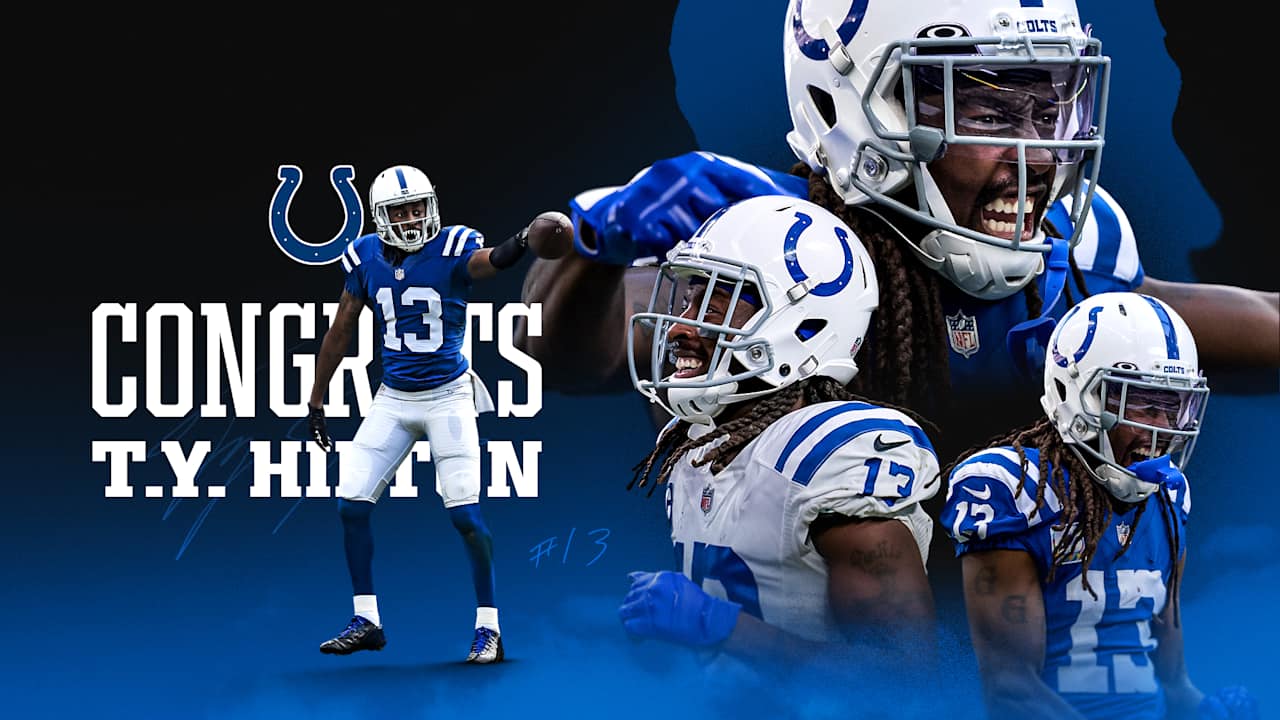
T.Y. Hilton’s official retirement marks the conclusion of an 11-season NFL career, with his legacy predominantly defined by a decade of service to the Indianapolis Colts. Hilton, whose 9,691 receiving yards rank him third in franchise history behind Marvin Harrison and Reggie Wayne, cultivated a strong narrative of loyalty, culminating in his farewell message referencing his identity as a “Forever a Colt.” While his career trajectory demonstrates the value of long-term player-team relationships in an era of high player turnover, his brief 2022 stint with the Dallas Cowboys also exemplifies the strategic adjustments required during a veteran’s career decline.
Analysis of Peak Performance and Strategic Value
Hilton’s peak performance years (2013–2017) established him as a premier offensive asset, directly impacting the Colts’ strategic capabilities and salary cap management. He achieved five 1,000-yard receiving seasons, including a remarkable four consecutive from 2013 to 2016. His market value peaked in 2016 when he led the NFL with 1,448 receiving yards on 91 catches and 156 targets. This consistent production positioned him as a high-value commodity, requiring significant investment to retain his services and anchoring the team’s passing game.
Beyond statistical accumulation, Hilton’s legacy is defined by high-leverage performances in critical moments. The most notable example occurred during the 2013 Wild Card round comeback victory against the Kansas City Chiefs. Hilton’s 224 receiving yards in that single game rank third in NFL history for a playoff contest. The game-winning 64-yard touchdown, highlighted by the source, solidified his status in team lore. This performance was instrumental in achieving what remains the second-greatest deficit overcome in NFL playoff history, illustrating how singular moments can disproportionately shape a player’s legacy and long-term brand equity.
Career Trajectory and Market Dynamics of Decline
Hilton’s transition from a franchise cornerstone in Indianapolis to a depth option for the Dallas Cowboys in 2022 exemplifies the operational realities of professional football and the steep decline curve faced by even high-performing veterans. After a decade of consistent production, his limited role and statistics during the brief 2022 stint (seven catches for 121 yards) reflect a shift in strategic importance. The market valuation changes dictate that teams prioritize cost-effective depth and short-term solutions over long-term investment in aging assets. For Hilton, this transition required navigating the balance between continued participation and accepting a reduced role in a new environment, while for the Cowboys, acquiring him provided a low-risk, high-experience option for late-season roster adjustments.
Post-Career Transition and Community Impact
Following his playing career, Hilton’s immediate transition to coaching at his alma mater, Miami Springs High School, represents a structural shift in professional focus. This move from a professional athlete to a developer of grassroots talent provides a direct link between high-level experience and youth development. It impacts the local football ecosystem by providing a model for other transitioning professionals to reinvest in community sports development, potentially influencing future talent pipelines and maintaining the quality of coaching at lower levels. His hiring in December indicates a rapid shift into a new leadership role, demonstrating his commitment to mentoring the next generation.
Conclusion: Legacy and Brand Equity
Hilton’s career arc, from a third-round draft pick in 2012 to a four-time Pro Bowler, demonstrates significant value creation outside of first-round selections. His longevity and consistent performance validate the strategic decision-making process of the Colts’ front office during that period. The narrative of institutional loyalty, reinforced by his long tenure and high-leverage moments, contributes significantly to the Colts’ historical narrative and brand equity, creating a lasting connection between the franchise and its fanbase.