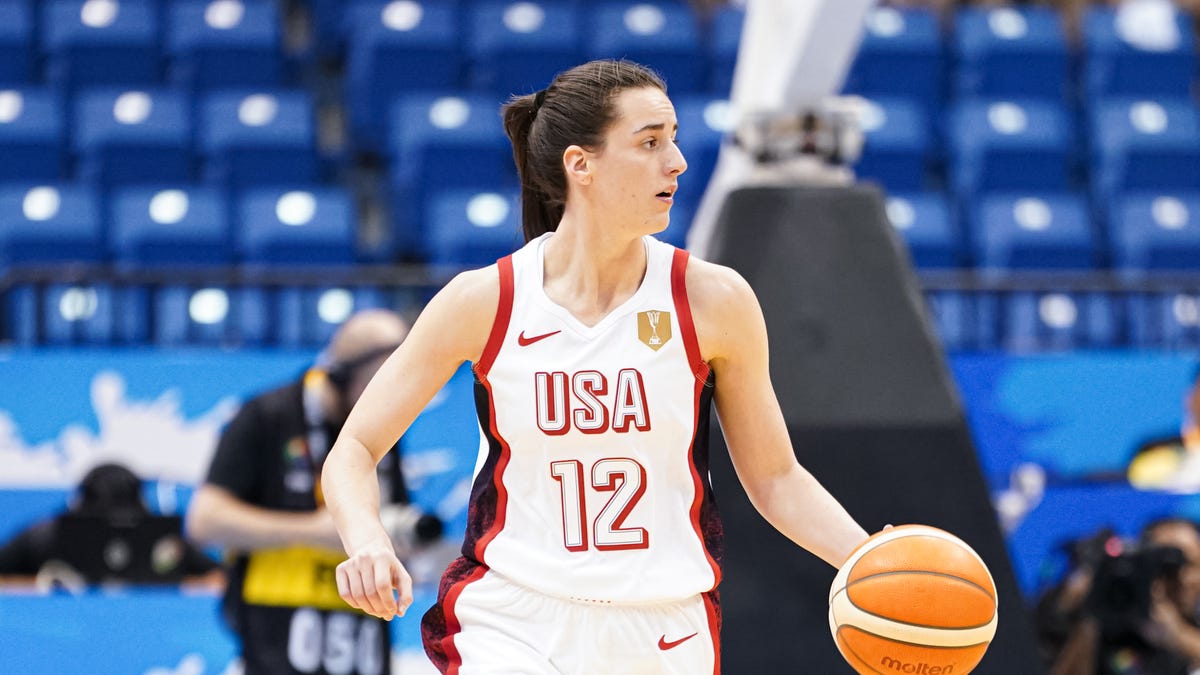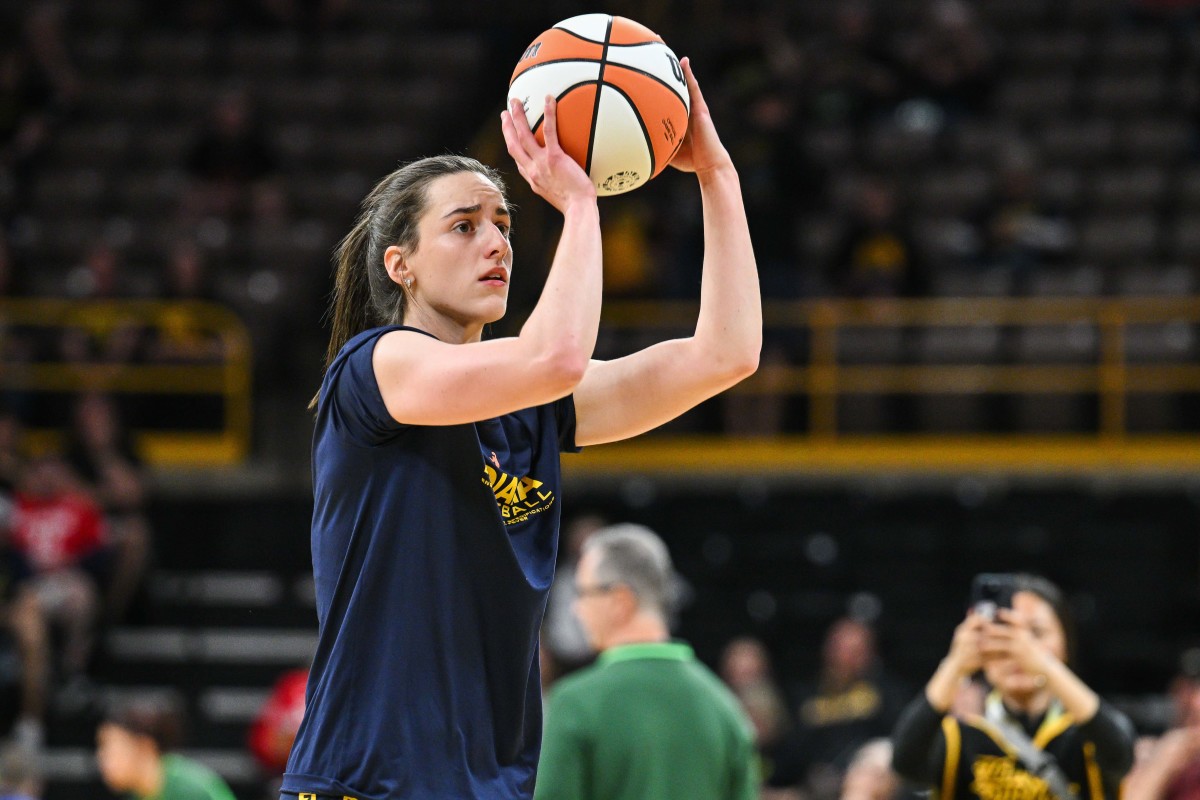
The finale of the FIBA Women’s World Cup Qualifying Tournament in San Juan, Puerto Rico, transcends its status as a procedural formality. For USA Basketball, the Tuesday clash against Spain serves as a high-leverage diagnostic for a roster navigating a significant generational transition. The return of Caitlin Clark to the senior national team, following an eight-month rehabilitation from lower-body injuries, has recalibrated the program’s offensive geometry, establishing new benchmarks for backcourt efficiency and playmaking density.
Operational Efficiency and Load Management
Clark’s integration into the rotation has been defined by disciplined load management, with the coaching staff capping her minutes at approximately 21 per game. This constraint has highlighted her statistical efficiency; Clark currently leads the tournament with 6.3 assists per game while maintaining a 12.8 scoring average. This sophisticated approach protects a high-value asset—following her truncated second WNBA season—while allowing her to serve as the primary facilitator in FIBA’s tactical environment, which prioritizes perimeter spacing over the isolation-heavy sets typical of domestic professional play.
Her production density was most evident during the opening fixture against Senegal, where she recorded a double-double (17 points, 12 assists) in just 19 minutes. By dictating tempo and exploiting defensive rotations with minimal ramp-up time, Clark has transitioned from a rotational luxury to the foundational axis of the American offense. The upcoming match against Spain—a program renowned for defensive pressure—will serve as the ultimate stress test for her decision-making under physical duress.
Institutional Pivot: Integrating the Debutant Core
San Juan marks a deliberate shift in USA Basketball’s long-term roster construction. The inclusion of Angel Reese, Paige Bueckers, Sonia Citron, and Kiki Iriafen alongside Clark represents an institutional pivot toward a younger, more versatile core intended to bridge the gap between established veterans and the emerging 2024–2025 talent cycles. This residency provides a low-risk environment for these debutants to adapt to FIBA officiating nuances and international physical demands.
The synergy between Clark and these newcomers—particularly in high-post sets and transition—offers a blueprint for the program’s future identity. The interior gravity provided by Reese and Iriafen creates necessary perimeter lanes for shooters like Bueckers, with Clark acting as the connective tissue. This structural evolution is critical as international competitors close the gap in technical proficiency and athletic depth, requiring the U.S. to evolve beyond raw talent toward superior tactical cohesion.
Commercialization and the Media Rights Landscape
The broadcast of the qualifying finale on TNT and HBO Max underscores the escalating commercial value of women’s international basketball. Historically, non-Olympic qualifiers struggled for premium domestic windows; however, the ‘Clark Effect’ has fundamentally altered the media rights landscape. Player-centric branding is now leveraged to drive viewership for institutional events, transforming qualifiers into significant inventory for major networks.
This shift is further evidenced by FIBA’s digital engagement strategies, such as the fan-voted MVP award. While unofficial, these metrics provide stakeholders with critical data on market penetration and fan sentiment. For USA Basketball and the WNBA, Clark’s health and performance are primary drivers of financial and competitive growth, necessitating a more integrated approach to player health data-sharing between leagues and national federations.
Tactical Diagnostic for the Berlin World Cup
The World Cup in Berlin remains the terminal objective, making the Spain game a vital diagnostic tool. Spain represents the highest tier of European tactical discipline, and facing them allows the U.S. coaching staff to identify vulnerabilities in turnover rates and defensive communication. For Clark, this game is an opportunity to refine her rhythm against a defense designed to neutralize passing lanes, proving her physical recovery is robust enough for the grueling schedule of a full international tournament.
Ultimately, the San Juan residency has successfully validated the rehabilitation of its star point guard and the integration of a new generation. As the focus shifts from qualification to optimization, the strategic innovations tested in Puerto Rico will form the foundation for the USA’s pursuit of global dominance in Berlin.