
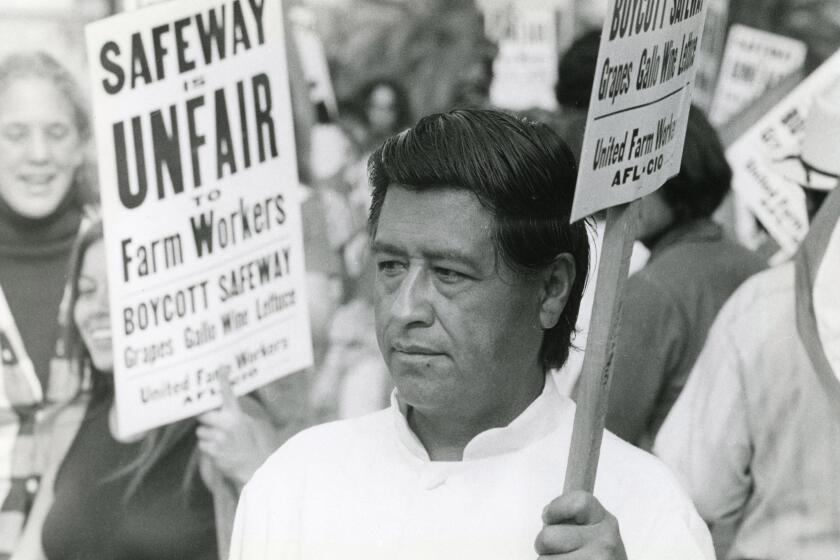
UFW Cancels Chavez Events Amid Abuse Allegations, Legacy Reassessment
The United Farm Workers (UFW) union has announced the cancellation of celebrations honoring its founder, Cesar Chavez, following what the organization described as “troubling allegations” concerning his conduct. The decision, outlined in a statement released by the union, signals a significant strategic pivot in how the organization manages its historical narrative and institutional identity. The UFW’s move comes amid reports of allegations involving “abuse of young women or minors,” which the union stated are “incompatible with our organization’s values.”
While the union emphasized that it has not received direct reports and possesses no firsthand knowledge of these specific allegations, the decision to halt celebrations across the country indicates a proactive response to mitigate reputational risk and address stakeholder concerns. The cancellations, which include events in Tucson and Texas, demonstrate a coordinated effort to manage the fallout from the claims. The UFW statement explicitly differentiates between “family issues” and the more severe allegations, noting that claims involving “very young women or girls” are particularly “crushing.”
The Strategic Crisis: Legacy versus Accountability
For organizations deeply intertwined with the identity of a single individual, such as the UFW with Chavez, allegations of misconduct create an existential crisis regarding institutional values and historical legacy. The UFW’s decision to prioritize current ethical standards over historical reverence reflects a broader societal shift in accountability, where historical achievements no longer provide complete immunity from scrutiny regarding personal conduct. By stating that the allegations are “incompatible with our organization’s values,” the union attempts to distance its current mission from the alleged actions of its founder.
This strategic communication seeks to protect the organization’s integrity and relevance, particularly among younger generations and new members who may hold different views on accountability and power dynamics. The move to cancel events, rather than simply ignore the claims, represents a significant operational and financial choice. These celebrations often serve as key fundraising opportunities, public outreach platforms, and membership drives. The loss of these activities impacts the UFW’s financial stability, but the strategic decision to prioritize reputational management highlights the perceived severity of the allegations and potential long-term damage to the organization’s brand.
Stakeholder Response and Victim-Centric Approach
The UFW’s response incorporates a shift toward a more victim-centric model of crisis management. The union’s statement explicitly addresses potential victims, noting that canceling events would “provide space for people who may have been victimized to find support and to share their stories if that is what they choose.” This approach prioritizes individual well-being over the preservation of historical symbolism and aims to mitigate potential legal and reputational exposure by demonstrating empathy and accountability.
The withdrawal of Dolores Huerta, a co-founder of the UFW and a key figure in the Chicano movement, further complicates the institutional response. Huerta’s decision to distance herself from the celebrations carries significant weight, signaling a level of internal consensus regarding the seriousness of the allegations. Her action creates a powerful non-verbal statement about the internal dynamics within the organization and increases pressure on the UFW leadership to take decisive action. For stakeholders, Huerta’s withdrawal may be seen as a form of endorsement for the claims, increasing the urgency of the UFW’s response.
Broader Implications for Institutional Accountability
The UFW’s decision reflects a broader trend in institutional governance where organizations are forced to re-evaluate historical figures in light of contemporary ethical standards. The decision to prioritize “values” over “legacy” creates a new precedent for how labor organizations and social movements manage their foundational narratives. This approach recognizes that historical achievements do not insulate figures from scrutiny regarding personal conduct. The structural challenge for the UFW remains how to maintain its identity and mission (organizing and raising awareness) while distancing itself from the alleged actions of its founder.
The UFW must now navigate internal divisions between those who wish to protect Chavez’s legacy and those who prioritize accountability. The organization’s ability to present a unified front and manage this crisis effectively will determine its long-term stability and influence. The UFW’s actions suggest a move toward a more victim-centric approach to legacy management, prioritizing accountability over historical preservation.
Photo by christels on Pixabay.