The Asymmetric Architecture of Daytime Power
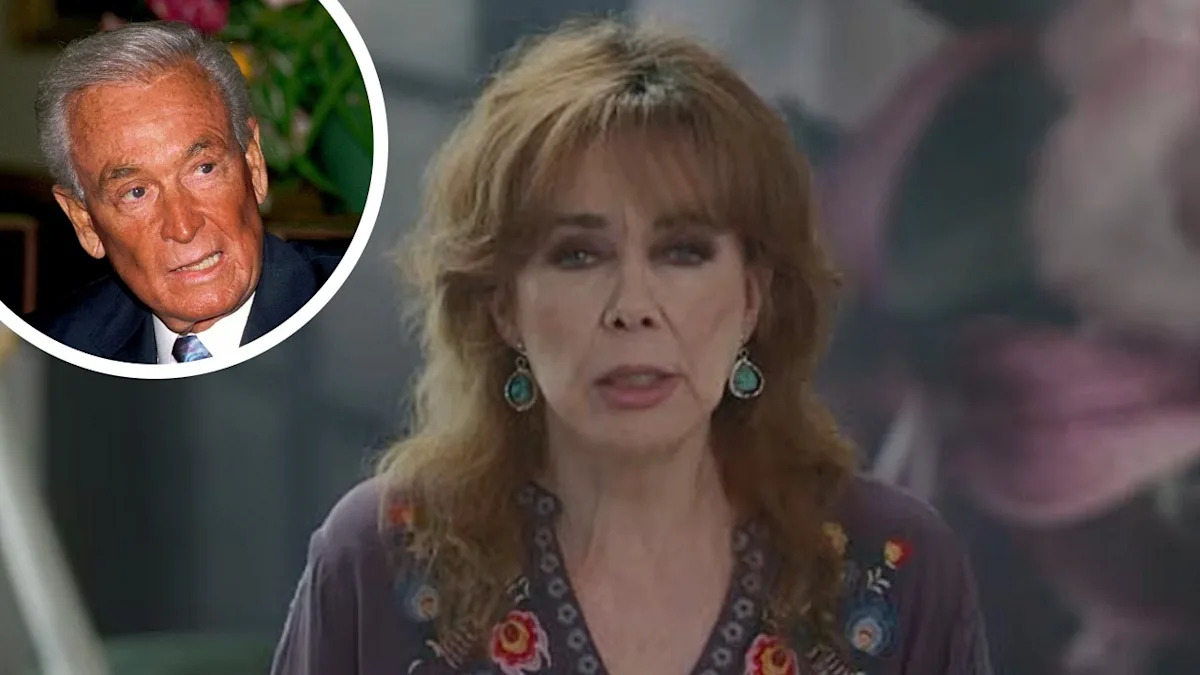
The decades-long dominance of ‘The Price Is Right’ fostered an environment where the host’s influence bypassed standard corporate oversight. Bob Barker’s 35-year tenure created a centralized power structure, effectively rendering the production a personal fiefdom. As highlighted in the ‘Dirty Rotten Scandals’ series, this concentration of authority allowed for the ossification of workplace norms that prioritized personal loyalty over institutional equity.
Litigation as Financial Attrition: The Hallstrom Case
The legal conflict between Barker and model Holly Hallstrom serves as a definitive example of litigation used as a tool for professional and financial exhaustion. Hallstrom’s dismissal—and the subsequent slander lawsuit filed against her by Barker—demonstrates a strategic deployment of legal resources to silence internal dissent. The tactical withdrawal of Barker’s suit just 48 hours before trial indicates an intent to maximize the defendant’s legal fees without facing judicial scrutiny, a hallmark of predatory litigation. Hallstrom’s eventual 2005 settlement remains a critical benchmark for the financial liability inherent in unchecked executive power.
Aesthetic Policing and Operational Retaliation
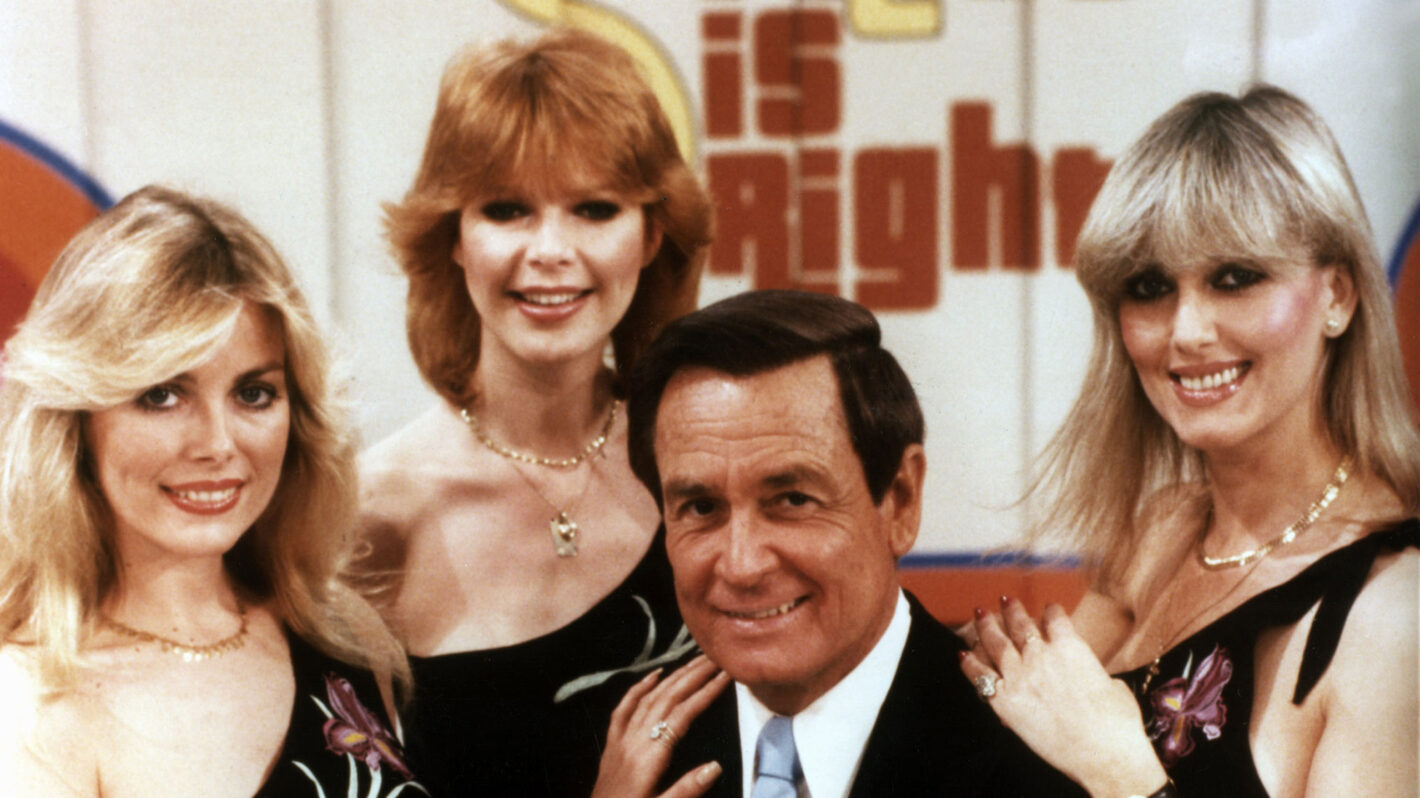
The ‘Barker’s Beauties’ branding functioned as a mechanism for aesthetic discrimination, where physical appearance was commodified as a primary performance metric. The 1995 termination of Hallstrom, allegedly predicated on medication-induced weight fluctuations, reveals how brand consistency provided a facade for retaliatory personnel strategies. This intersection of medical status and employment stability created a hostile landscape where talent was discarded based on subjective physical standards rather than professional contribution.
The Parkinson Litigation and Institutional Fracture
Dian Parkinson’s 1994 sexual harassment lawsuit acted as the primary catalyst for internal fragmentation. The production’s response—coercing models to provide public loyalty oaths or favorable testimony—established a classic hostile work environment. The subsequent testimony of Janice Pennington and Kathleen Bradley in support of Hallstrom signaled a breakdown in the host’s ability to control the narrative, exposing the underlying fractures within the show’s operational culture.
Corporate Liability and the Evolution of Media Ethics
The shift from viewing Barker as a ‘national treasure’ to a subject of investigative scrutiny reflects the evolving landscape of corporate governance and labor rights. For production entities, the ‘Barker era’ represents a transition from immunity to liability. The multimillion-dollar settlements underscore the reality that long-term workplace toxicity is a significant drain on operational capital and brand equity. Modern media production now operates under a paradigm where the revenue of a star no longer justifies the risk of systemic legal exposure.
Legacy and Modern HR Implications
The psychological toll on participants, described as the ‘worst time’ of their lives, highlights the human cost of these power dynamics. The delayed catharsis seen in contemporary documentaries illustrates the chilling effect of industry blacklisting. This history serves as a case study for the necessity of robust, independent HR oversight in long-running productions, ensuring that institutional longevity does not become a shield for misconduct.