Strategic Paralysis: The Third-Row Vacuum
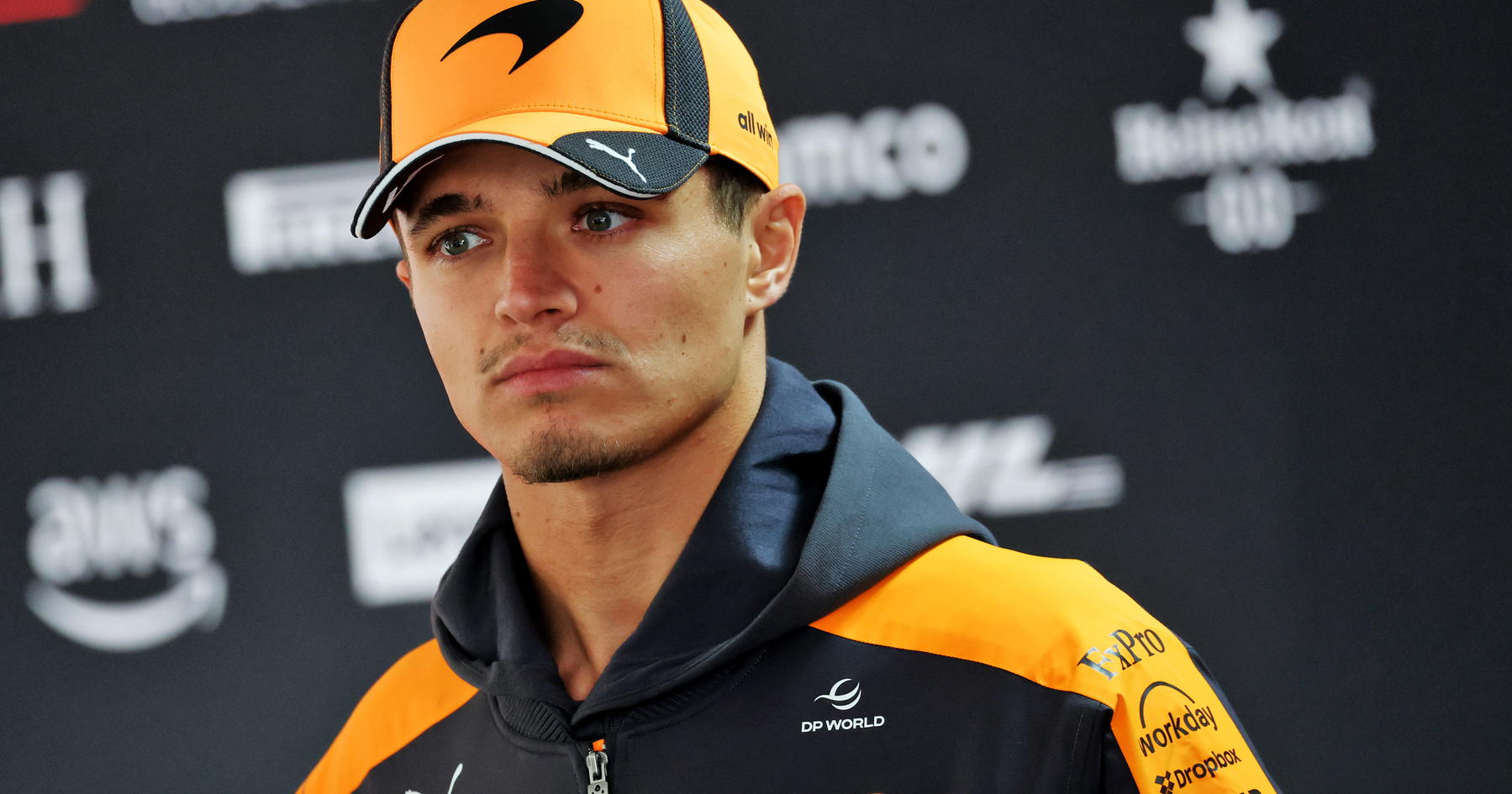
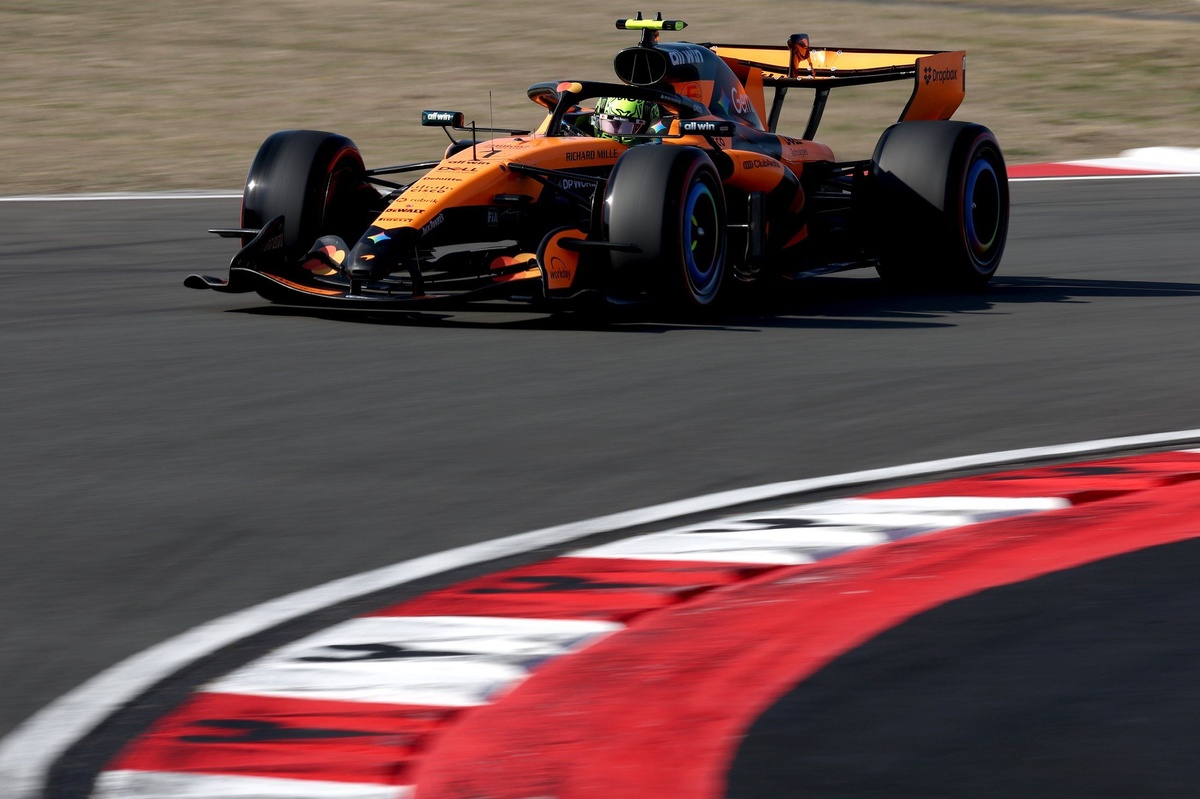
The Chinese Grand Prix was defined by a catastrophic operational failure for McLaren Racing, as Lando Norris and Oscar Piastri were forced into a rare double ‘Did Not Start’ (DNS). This outcome decimated the team’s strategic leverage, as their hard-won fifth and sixth-place qualifying positions were converted into a tactical vacuum. The resulting grid asymmetry fundamentally altered the start-line dynamics, offering a clean-air advantage to the fourth row while stripping McLaren of crucial Constructors’ Championship points.
Technical Autopsy: Electronics and Aerodynamic Compromise
Lando Norris’s withdrawal was precipitated by a critical failure in the vehicle’s control electronics. Modern F1 power units rely on complex wiring harnesses and sensor arrays where a single impedance mismatch can trigger an emergency shutdown. To address the fault, engineers performed a high-stakes intervention by removing the car’s floor—the primary component for ground-effect downforce generation. Despite this invasive troubleshooting, the car remained non-functional as the pit-exit window closed, rendering any potential recovery moot and forcing a terminal withdrawal.
The Piastri Pattern: Systemic Reliability Concerns
Oscar Piastri’s technical failure mirrored his teammate’s, though it manifested later in the pre-race sequence. After successfully reaching his grid slot, Piastri’s car suffered a total system loss just prior to the formation lap. This marks a concerning trend of unreliability for the Australian, following similar disruptions in previous rounds. The recurrence suggests a systemic integration issue within the MCL38’s assembly or sub-component quality control, rather than isolated mechanical bad luck.
Macro-Economic and Competitive Fallout
A double DNS represents the most severe financial and competitive penalty in Formula 1. Beyond the immediate loss of points, McLaren faces diminished ROI for title sponsors due to zero race-day visibility. The failure also exposes a gap in the team’s diagnostic telemetry; the inability to validate ‘fixes’ under pressure suggests that their current troubleshooting protocols are insufficient for the complexity of the current regulations. For the technical department at Woking, this disaster necessitates a top-to-bottom audit of electrical architecture to prevent technical gremlins from defining their season.
Psychological Impact on Driver Momentum
The frustration for Norris and Piastri is compounded by the loss of elite-level qualifying efforts. For Norris, a driver frequently at the sharp end of the grid, a technical DNF from the top six erodes the trust-cycle between driver and engineering. For Piastri, consecutive failures to start may force a more conservative car setup in future races to ensure baseline reliability, potentially blunting his raw pace in the highly competitive midfield battle.