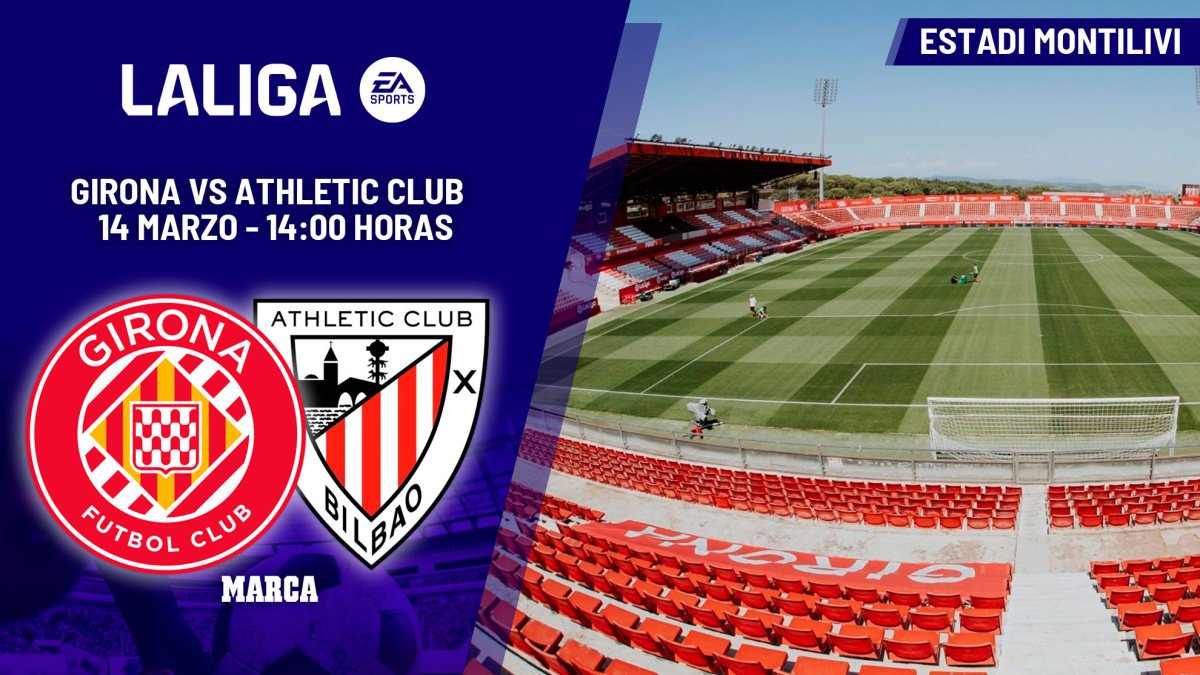
The Matchday 28 encounter between Girona FC and Athletic Club at Montilivi serves as a definitive case study in the divergence between public institutional rhetoric and the underlying data of a European qualification race. While both technical staffs continue to publicly anchor their objectives to the 42-point safety threshold, the competitive reality suggests a high-leverage battle for continental revenue streams.
The Psychological Utility of the 42-Point Narrative
Míchel Sánchez has masterfully employed the ’42-point myth’ as a risk-mitigation tool. By framing the season through the lens of mere survival, the coaching staff isolates the squad from the systemic stress of a top-four pursuit that significantly outpaces the club’s budgetary baseline. This rhetorical strategy functions as a psychological buffer, allowing the organization to maintain stability despite a documented regression to the mean in recent weeks.
Athletic Club adopts a similar posture of institutional modesty, yet for Ernesto Valverde, the mandate is far more rigid. Returning to UEFA competition is an economic imperative to sustain Bilbao’s unique socio-economic model. The shared narrative of ‘reaching 42 points’ acts as a linguistic shield, deflecting media scrutiny while both front offices calculate the massive revenue deltas associated with Champions League participation.
Operational Volatility and Tactical Fatigue
Girona enters this fixture grappling with a period of performance volatility, having secured only one victory in their previous seven outings. This downturn, characterized by four draws and two losses, highlights a growing inability to convert territorial dominance into clinical outcomes. The recent stalemate against Levante suggests that Míchel’s high-volume chance creation model is facing tactical fatigue when confronted by disciplined low-block defenses.
The outlier in this sequence—a high-intensity 2-1 win over FC Barcelona—now appears less like a catalyst and more like an anomaly. With a six-point cushion over the relegation zone, the mathematical safety net is secure; however, the strategic urgency remains. Míchel must now demonstrate that his tactical setup can evolve beyond its primary systems to arrest this slide and protect a historic campaign from late-season stagnation.
Athletic’s Leadership Vacuum and Personnel Trial
For Athletic Club, the trip to Montilivi is complicated by a significant void in the defensive line. The absence of Óscar de Marcos, a foundational pillar of Valverde’s tactical structure, necessitates the integration of Hugo Rincón. This substitution is more than a depth-chart adjustment; it is a high-leverage test of Athletic’s developmental pipeline under intense competitive pressure.
Rincón’s ability to navigate Girona’s sophisticated wide rotations will dictate whether Athletic can maintain defensive integrity. As the league enters its final trimester, physical attrition and squad depth become the primary determinants of success. Securing a result at Montilivi without key veteran leadership would signal an institutional readiness for the rigors of European football next season.
Information Management: The Ter Stegen Subplot
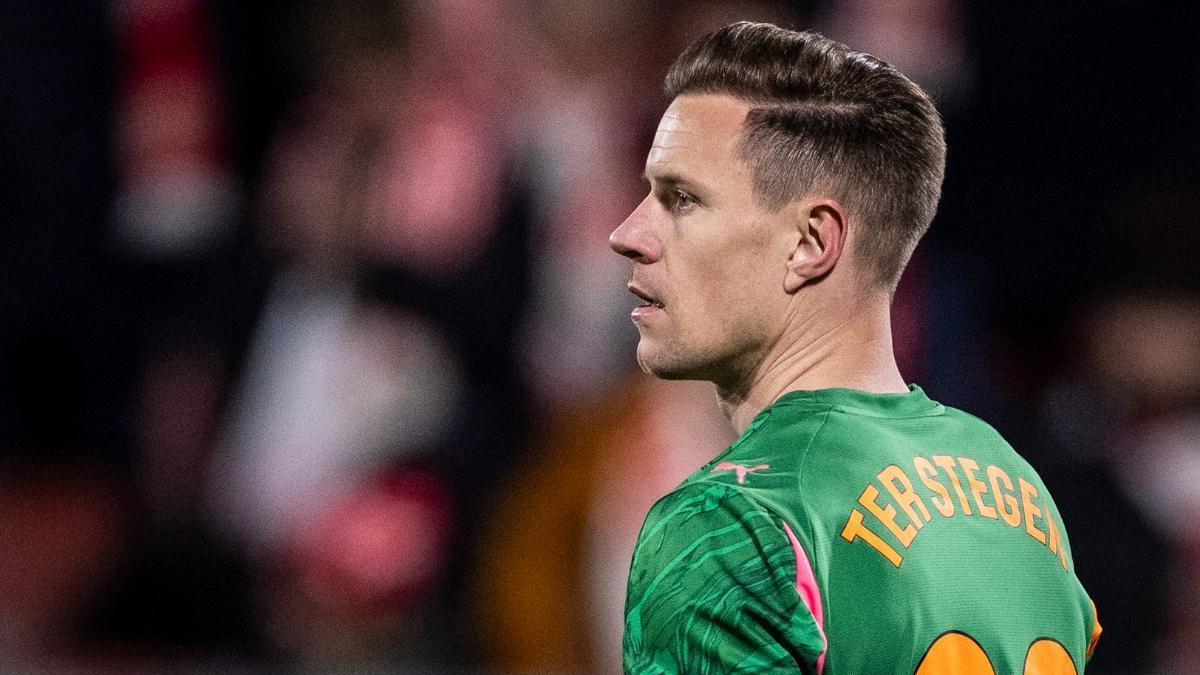
The inclusion of Marc-André ter Stegen in pre-match inquiries illustrates the complex media ecosystem surrounding Catalan football. Míchel’s dismissive stance—categorizing the Barcelona goalkeeper as “outside our radar”—reflects a disciplined approach to information management. By maintaining professional distance from peripheral storylines regarding rival recovery protocols, Míchel ensures the narrative remains focused on his squad’s internal stabilization during this results-based crisis.
Financial Imperatives of the European Threshold
The variance between a mid-table finish and European qualification represents a multi-million euro shift in projected fiscal revenue. For Girona, UEFA participation would fundamentally alter the club’s capital structure through increased broadcasting rights and sponsorship valuations. For Athletic, the economic stakes are equally high, as continental football is the primary fuel for their operational sustainability. The ‘high-caloric value’ of these points at Montilivi is not merely a metaphor; it is a reflection of the financial reality underpinning modern professional football.
Regulatory Oversight and Tactical Reintegration
The return of Robert Navarro provides Girona with a vital creative asset. His profile offers the lateral unpredictability needed to dismantle the defensive blocks that have recently stifled Girona’s offense. Simultaneously, the officiating of Iosu Galech Apezteguía and the VAR oversight of Carlos del Cerro Grande introduce a layer of regulatory scrutiny where the interpretation of phase-of-play decisions could have an outsized impact on the final scoreline. In a match of slim margins, the management of these external variables will be as critical as the tactical execution itself.