Strategic Commercialization: Pi Day as a Q1 Fiscal Catalyst
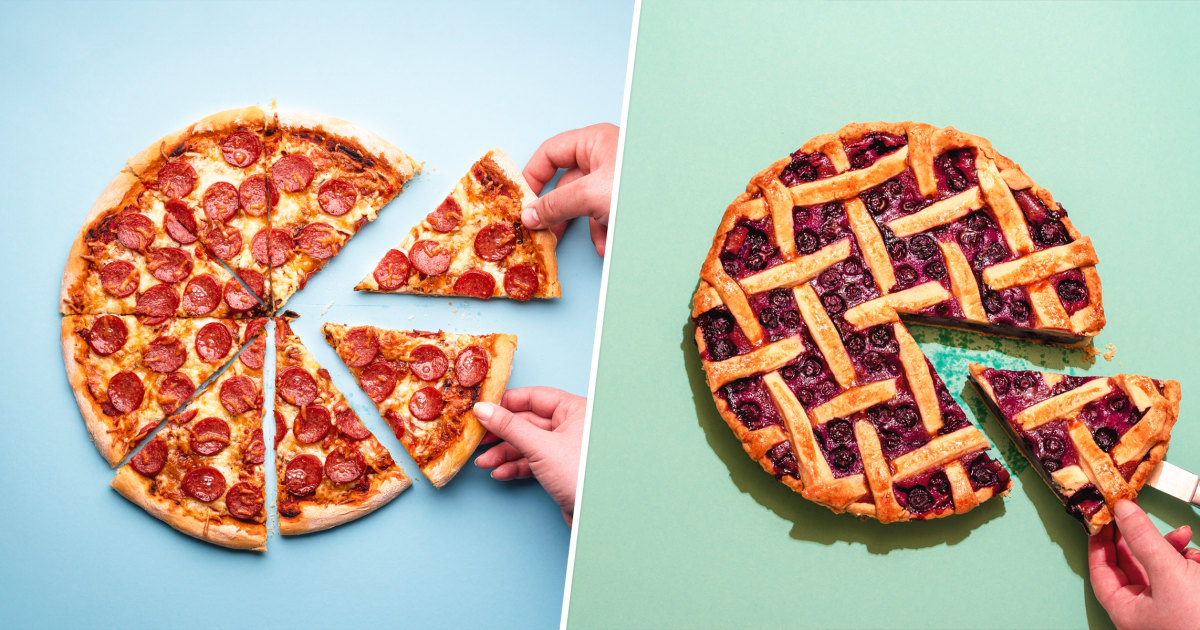
The observance of Pi Day on March 14 has transcended its origins as a niche mathematical celebration to become a high-velocity commercial event. In 2026, this date serves as a critical revenue driver for the food and beverage (F&B) sector, specifically within the pizza and bakery segments. This transition is characterized by a convergence of consumer demand for value-oriented pricing and corporate imperatives to accelerate digital adoption. For many retailers, March 14 now functions as a Q1 operational milestone that rivals peak holiday periods in terms of logistics and transaction volume.
Digital Ecosystem Integration and Data Acquisition
A defining feature of the 2026 landscape is the strategic utilization of mobile applications to gate promotions. Major entities, such as Burger King, have transitioned from single-day offers to multi-day ‘Perks Week’ events. By requiring a minimum purchase of $3.14 to unlock rewards, brands establish a baseline average order value (AOV) while habituating consumers to app-based transactions. This digital-first approach enables real-time inventory monitoring and the de-anonymization of the customer base, converting one-time deal-seekers into trackable data points for long-term retention strategies.
Operational Scaling and Supply Chain Logistics
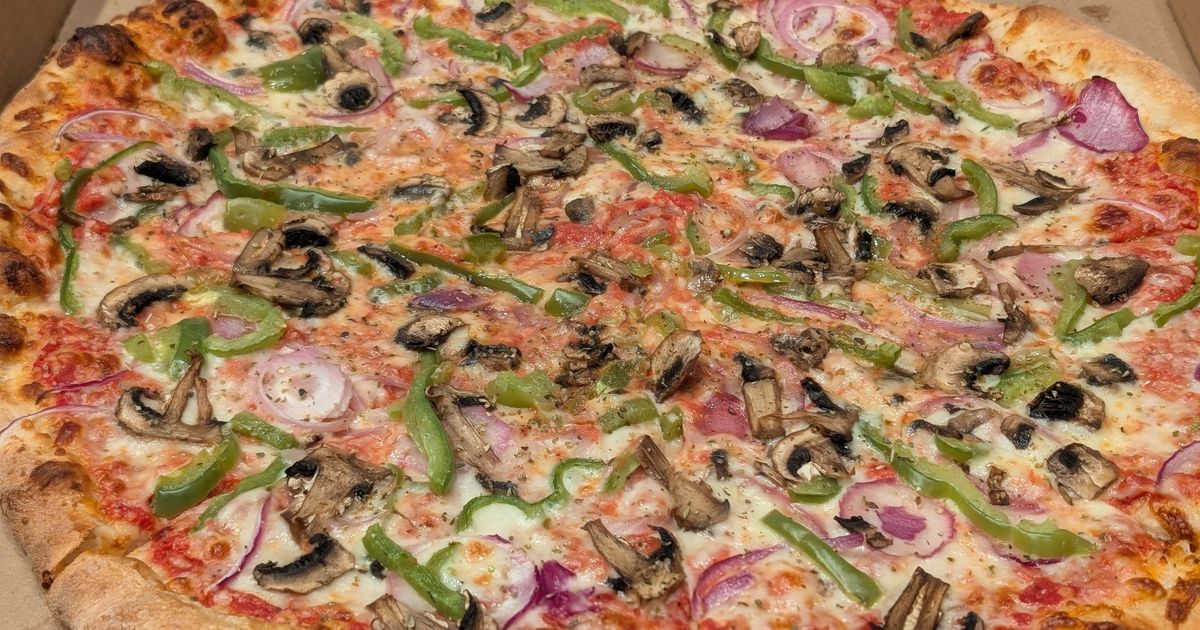
The surge in demand presents a bifurcated challenge for national franchises and artisanal establishments. While franchises leverage standardized industrial processes, local artisanal shops, such as Drive-By Pies in Massachusetts, must adapt handmade production workflows to meet a surge that ranks as their second-busiest period annually. The concentration of demand—particularly in tech-heavy and academic corridors—requires sophisticated labor allocation and the implementation of structured pre-order systems to mitigate the risk of stockouts and service degradation during peak hours.
Psychology of Thematic Pricing and Margin Optimization
The ubiquity of the $3.14 price point demonstrates the efficacy of thematic pricing in consumer psychology. However, the execution varies by business model: fast-casual brands like Blaze Pizza often utilize BOGO (buy-one-get-one) structures to protect margins, whereas convenience retailers like 7-Eleven use flat-rate $3.14 whole pizzas as loss leaders to drive foot traffic. These low-margin entries are strategically designed to stimulate high-margin impulse purchases, such as beverages and snacks, thereby optimizing the total basket value despite the heavy discount on the anchor product.
Conclusion: Structural Evolution of Thematic Retail
Pi Day 2026 confirms that thematic retail has moved beyond novelty into a sophisticated exercise in organizational agility. The event serves as a stress test for digital infrastructure and supply chain resilience. As digital loyalty platforms continue to mature, the institutionalization of March 14 provides a template for how cultural markers can be engineered into permanent fixtures of the retail calendar, solving perennial challenges of Q1 demand generation through data-driven engagement and operational precision.