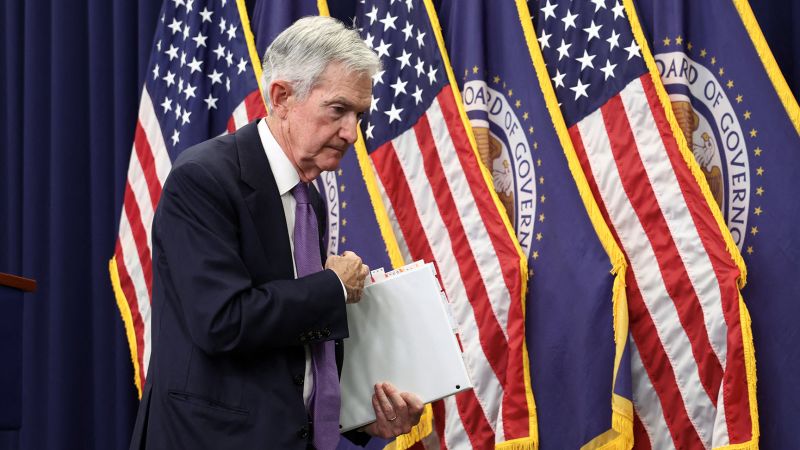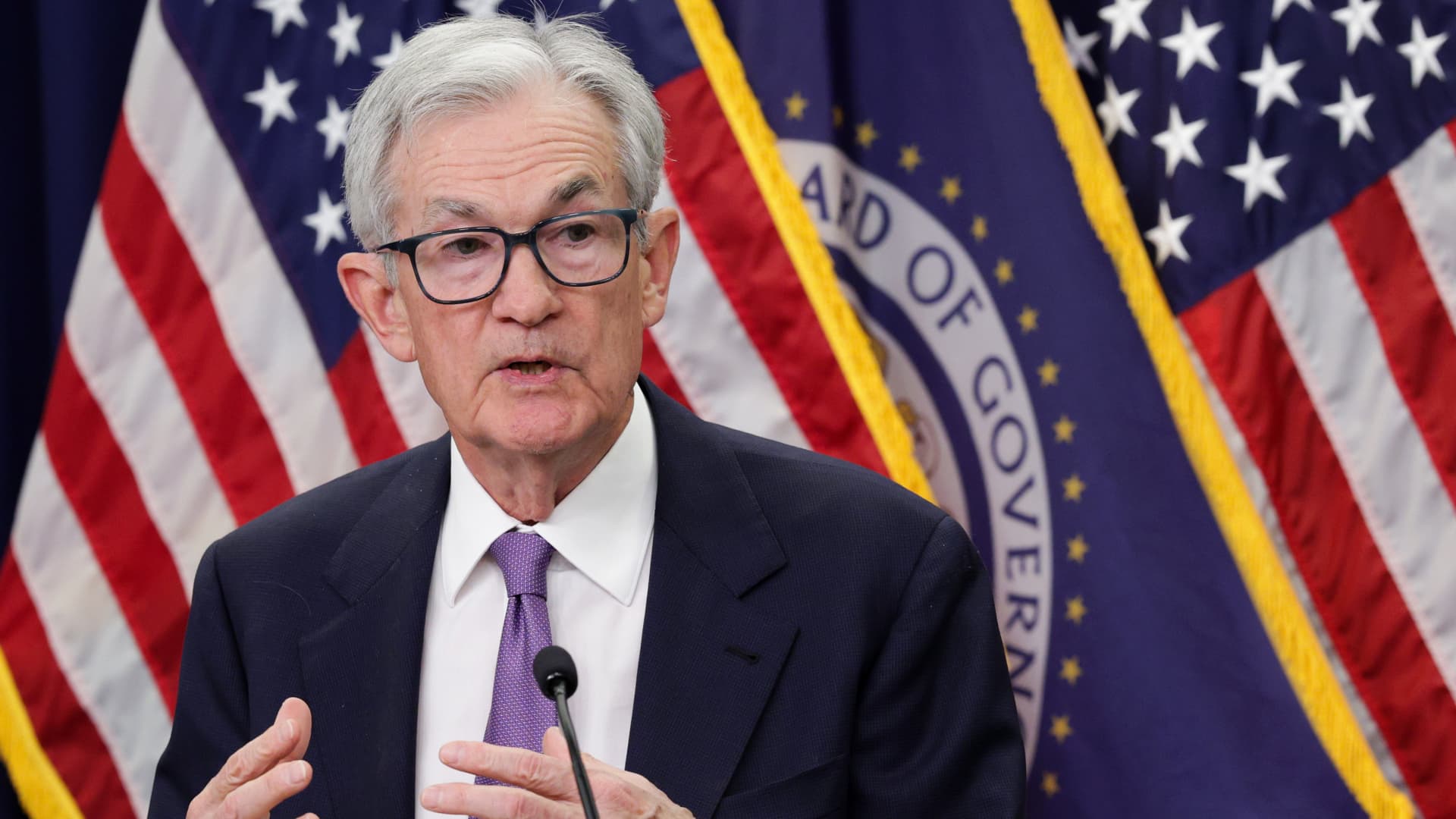
U.S. District Judge James “Jeb” Boasberg’s decision to quash Department of Justice (DOJ) subpoenas against Federal Reserve Chair Jerome Powell represents a definitive judicial check on executive overreach. By halting a criminal investigation characterized as lacking substantive evidentiary foundations, the court signaled that prosecutorial discretion cannot be weaponized to compromise the Federal Reserve’s institutional autonomy. The unsealing of these documents exposes a deep-seated structural conflict regarding the boundaries of independent agency oversight and the legal protections afforded to economic leadership under political duress.
Judicial Reprimand of ‘Pretextual’ Prosecution
Judge Boasberg’s opinion provides a rigorous critique of the DOJ’s justifications, explicitly categorizing the subpoenas as “pretextual.” The court noted a glaring absence of evidence connecting Chair Powell to any criminal activity, contrasted against a significant volume of documentation suggesting the probe was designed to coerce the Federal Open Market Committee (FOMC) into aggressive interest rate cuts. This ruling reaffirms the legal standard that grand jury subpoenas must serve legitimate investigative ends rather than acting as instruments of policy leverage.
The judicial finding that the probe aimed to force a resignation or dictate monetary votes highlights a rare instances of the judiciary shielding the central bank from the executive branch’s use of the Justice Department. Legally, the failure of the DC US Attorney’s office to meet the threshold of probable cause suggests a procedural breakdown, complicating any potential DOJ appeal, which must now contend with an established factual finding of bad faith.
The Strategy of Administrative Pretext
The investigation’s focus on the Federal Reserve’s multi-billion-dollar headquarters renovation illustrates how operational functions are often exploited for strategic pressure. By targeting a capital project, the DOJ sought a procedural hook to criminalize the Chair’s testimony to the Senate Banking Committee. However, the court identified this as a secondary tactic to the primary objective of influencing interest rate trajectory. This failure underscores the difficulty of using administrative oversight as a proxy for policy disagreement when the judiciary perceives an underlying political motive.
Systemic Risks to Market Stability
The quashing of these subpoenas is a vital safeguard for the Fed’s perceived independence—a prerequisite for global market confidence in the U.S. dollar. Had the subpoenas stood, it would have established a precedent where criminal liability serves as a tool for political administration to sway monetary policy, likely triggering inflation volatility and risk-premium spikes. The ruling provides a temporary bulwark, signaling that the judiciary will defend the Fed’s mandate from direct executive encroachment.
Nevertheless, the persistent public friction between the executive branch and Powell ensures that markets must continue to price in institutional instability. The administration’s aggressive legal posture, combined with demands for lower rates, suggests that the pressure campaign remains active. Investors are now balancing the strength of judicial protections against the executive’s continued efforts to exert control over the cost of capital.
Senate Deadlock and Succession Uncertainty
The legal conflict has migrated into the U.S. Senate, where the confirmation of Powell’s potential successor, Kevin Warsh, is currently paralyzed. Senator Thom Tillis has leveraged the investigation to block Warsh’s confirmation until the federal probe is officially resolved. Ironically, the DOJ’s attempt to pressure Powell out of office has resulted in a legislative stalemate that may extend his tenure, as no successor can be seated while the legal cloud persists.
This hold reflects the deep partisan divisions over the Fed’s role and the scope of executive oversight. By tethering the transition of power to the outcome of a criminal inquiry, the Senate has added a layer of complexity to the Fed’s leadership, ensuring that no change in chairmanship occurs until the DOJ either exhausts its appeals or formally closes the file.
Institutional Integrity and the Role of Law
The involvement of Jeanine Pirro, the U.S. Attorney for the District of Columbia, adds a contentious political dimension. Her description of the ruling as “outrageous” and her commitment to the appellate process indicates that the DOJ views this not as a routine inquiry, but as a pivotal battle for executive authority. This prolonged litigation will continue to drain institutional resources and maintain a state of uncertainty regarding the Fed’s future legal exposure.
Ultimately, this case serves as a benchmark for the rule of law and the separation of powers. By requiring the DOJ to produce credible evidence before infringing upon the functions of a high-ranking official, the court has prioritized the integrity of the grand jury process over administrative convenience. The outcome of the appeal will determine if the protections for independent regulators are solidified or if the executive branch will gain a significant new lever of influence over the American economy.