Atmospheric Volatility and the Late-Season Thermal Shock
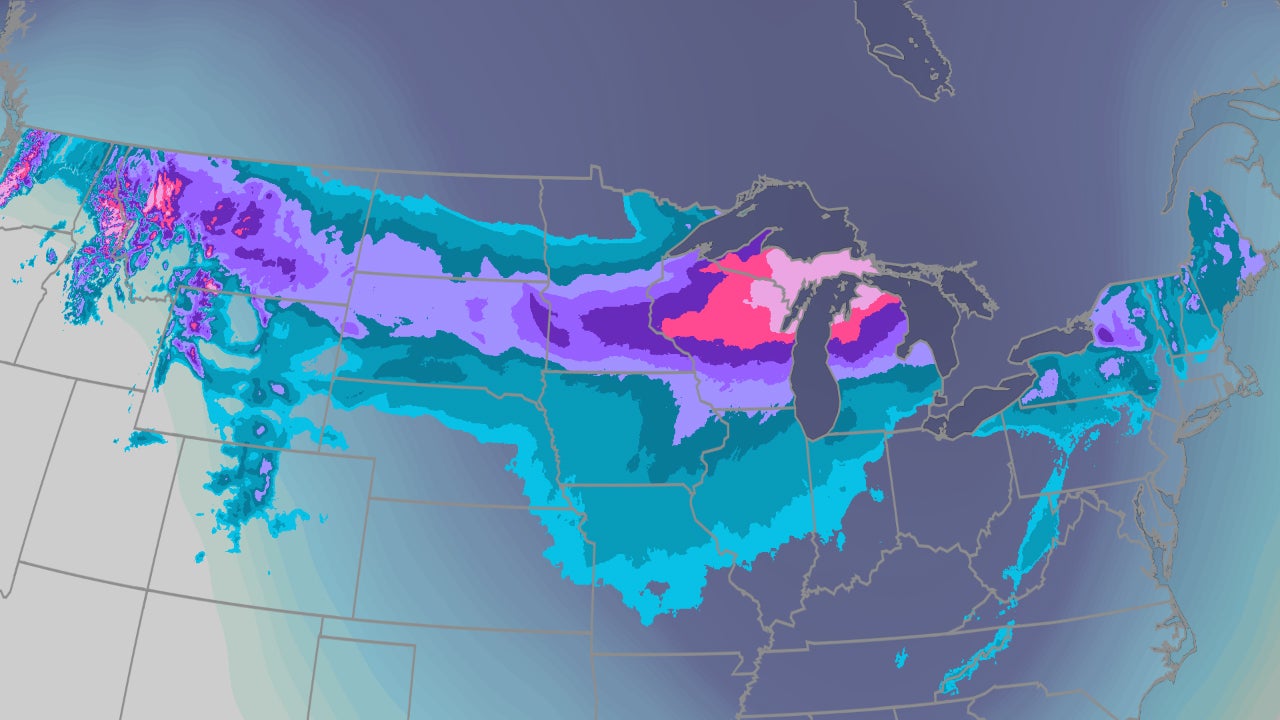
Winter Storm Iona serves as a critical case study in high-amplitude atmospheric volatility. Following a period of record-breaking regional warmth, the system’s rapid intensification creates a thermal shock that challenges the structural and operational readiness of the Upper Midwest. This transition from spring-like conditions to a “textbook March” blizzard forces a recalibration of risk assessment models for both public and private sector stakeholders.
Logistical Friction and Infrastructure Integrity
The designation of First Alert Weather Days highlights a shift toward impact-based forecasting. In the Great Lakes corridor, the combination of 15-30 mph northeast winds and heavy, high-moisture snow creates significant mechanical loading on power distribution networks and telecommunications infrastructure. For the logistics sector, the primary challenge is not merely accumulation, but the neutralization of standard snow-clearing protocols due to sustained blowing and drifting across critical interstates. Just-in-time manufacturing hubs in Wisconsin and Michigan must account for these transit delays, which ripple through broader national supply chains.
Sector-Specific Exposure: Energy and Agriculture
The storm induces a unique set of geographic disparities in energy demand. As a cold blast penetrates the East and Southeast, grid operators must manage simultaneous heating and cooling demands across the continental U.S., testing the flexibility of regional energy transfers. Simultaneously, the agricultural sector faces acute risks; early phenological development—triggered by previous record warmth—leaves emerging crops vulnerable to frost damage and heavy snow accumulation, potentially impacting future commodity yields and insurance loss projections.
Strategic Institutional Response
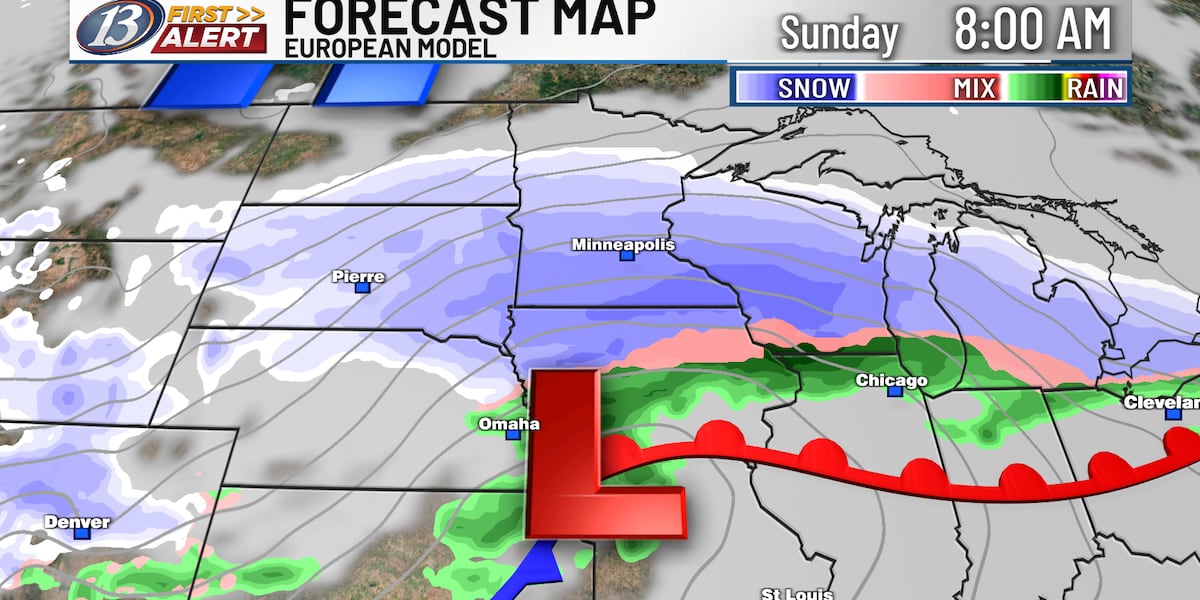
The naming of the system by The Weather Channel facilitates a centralized risk-communication strategy, aimed at reducing economic losses associated with travel paralysis. By prioritizing actionable data over simple meteorological totals, corporate risk officers can make high-stakes decisions regarding facility idling and resource allocation. However, the inherent uncertainty in the transition zone between liquid and frozen precipitation remains a residual risk, requiring a flexible strategic posture to manage the duration of economic friction through the recovery phase.