
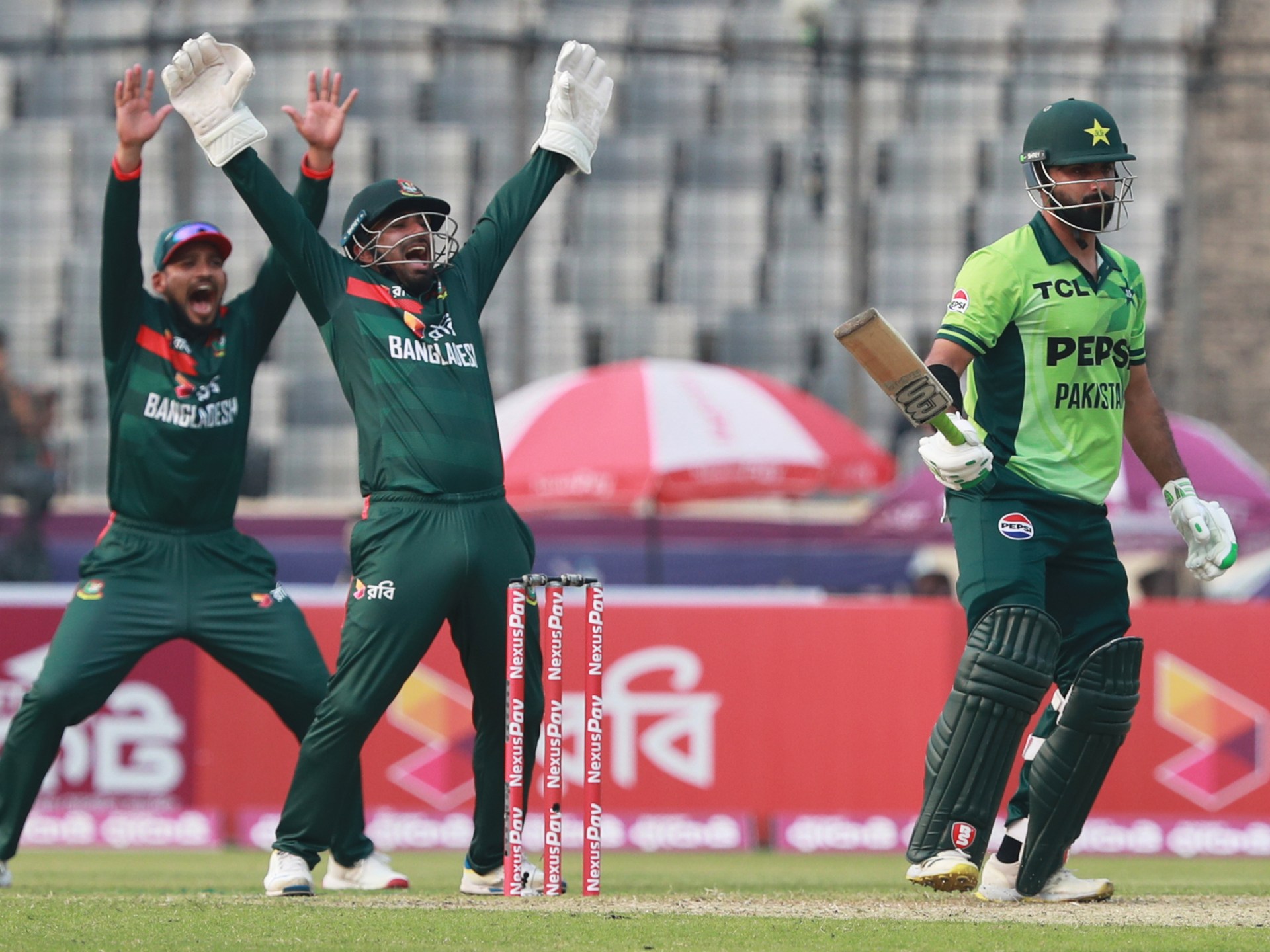
Bangladesh Dominates Series Opener, Pakistan Suffers Historic Collapse
Bangladesh initiated their bilateral series against Pakistan with a commanding eight-wicket victory, establishing an immediate 1-0 lead in the three-match contest. The outcome in Mirpur underscores a significant and unexpected shift in competitive dynamics, primarily driven by Pakistan’s unprecedented batting collapse to their lowest-ever total against Bangladesh in One Day Internationals.
This decisive triumph for Bangladesh, achieved with remarkable efficiency, not only secured an early series advantage but also inflicted considerable psychological and strategic damage upon their long-standing rivals. The match served as a critical indicator of contrasting team preparedness, tactical execution, and individual brilliance, setting a compelling precedent for the remainder of the series.
Pakistan’s Performance: A Deep Dive into Operational Failure and Strategic Crisis
Pakistan’s total of 114 runs represents a profound operational failure that demands an immediate and comprehensive review of their tactical approach and player execution. Such a record low score against a peer nation signals deep-seated challenges extending beyond mere individual form, pointing towards potential systemic issues in batting cohesion, resilience under pressure, and an alarming inability to adapt to prevailing match conditions. This rapid capitulation inevitably triggers an intense internal assessment of coaching strategies, player readiness, and the structural integrity of the established playing XI, exposing vulnerabilities that competitive analysis will scrutinize heavily.
Beyond the immediate statistical anomaly, this performance introduces significant strategic hurdles for the Pakistan national team. It irrevocably impacts team morale, public perception, and places immense psychological and performance pressure on subsequent fixtures. The incident necessitates a rigorous re-evaluation of individual player roles and potential selection adjustments for the remaining matches. Decisions regarding batting order stability, bowling combinations, and field placements will now be scrutinized with heightened intensity. Furthermore, a record low score against a long-standing opponent carries substantial reputational consequences within the broader international cricketing landscape, affecting confidence levels among the squad and influencing perceptions among rival teams and international cricketing bodies. The strategic imperative for Pakistan has dramatically shifted from series contention to a fundamental recovery of performance and competitive identity, demanding an exceptional display of resilience and tactical flexibility to mitigate the long-term reputational and competitive damage.
Bangladesh’s Ascent: Emerging Talent Fuels Tactical Superiority
Bangladesh’s victory was meticulously crafted through exceptional individual performances that demonstrated both strategic foresight and tactical execution. The spotlight fell on pace sensation Nahid Rana, whose maiden five-wicket haul, with figures of 5-24, was instrumental in dismantling the formidable Pakistani batting lineup. Rana’s emergence signifies a valuable asset, not only enhancing Bangladesh’s bowling attack depth and strategic options but also potentially securing his long-term position within the national squad. This performance provides significant competitive leverage and reinforces the team’s capacity to develop and integrate match-winning talent at the international level.
The subsequent chase was spearheaded by opener Tanzid Hasan, whose unbeaten 67 runs off just 42 balls was a masterclass in aggressive intent and effective run-scoring. Hasan’s pivotal partnership with Najmul Hossain Shanto, who contributed 27 runs, effectively neutralized any residual pressure from the modest target, propelling Bangladesh to overhaul the target in a mere 15.1 overs. This swift resolution underscores Bangladesh’s operational efficiency and tactical superiority on the day, minimizing exposure to risk and conserving player energy for future matches. The comprehensive nature of the win, achieved with such dominance, provides Bangladesh with a considerable psychological advantage, bolstering team confidence and influencing strategic approaches for the remainder of the series. Such a decisive victory reinforces their competitive positioning within international cricket, signaling a robust team structure and effective strategic planning by the coaching staff.
Long-Term Ramifications: Stakeholder Dynamics and Ecosystem Recalibration
The stark contrast in performance between the two teams carries significant and multi-faceted implications for various stakeholders within the cricketing ecosystem. For national cricketing boards, such results directly influence critical funding decisions, talent development programs, and strategic investments. Bangladesh’s dominant start offers a positive narrative, potentially attracting increased investment, fostering greater public interest, and leveraging the success of emerging talents like Rana for both promotional and developmental initiatives. Conversely, Pakistan’s record low score necessitates a detailed post-match analysis for its cricketing board to identify systemic issues beyond individual player form, potentially leading to a rigorous review of selection policies, training methodologies, and support infrastructure.
Commercial stakeholders, including broadcasting partners and corporate sponsors, meticulously monitor team performance, as success and competitive relevance directly correlate with audience engagement and commercial value. A dominant performance enhances a team’s marketability and viewership, while a significant loss can raise serious concerns, influencing future investment decisions in the sport. The media narrative surrounding the series will be heavily shaped by this opening result, profoundly affecting public discourse and fan engagement; Pakistan now faces a challenging media environment demanding answers, while Bangladesh enjoys positive coverage and heightened national pride. Moreover, player contracts and future endorsements are intrinsically linked to performance and public profile; individual achievements like Rana’s five-wicket haul or Hasan’s aggressive half-century can significantly enhance their market value and career trajectories.
This outcome also profoundly impacts the global perception of both teams, influencing their standing in international rankings and future tournament seeding, underscoring how consistent performance, or the lack thereof, directly correlates with a nation’s cricketing prestige. The match serves as a critical data point for analysts and strategists assessing the competitive balance in international cricket, highlighting the dynamic nature of team strengths and the continuous evolution of player talent across different nations. For Pakistan, the record low score is not merely an isolated event but a data point that could influence long-term strategic trajectories, signaling a potential need for fundamental recalibration within its cricketing structure, extending beyond immediate tactical adjustments to a deeper institutional review into talent identification, player development pathways, and high-performance programs. For Bangladesh, this victory validates their investment in talent and strategic planning, potentially attracting more resources and global recognition, and contributing significantly to the ongoing narrative of competitive shifts within Asian cricket.
Series Outlook: Defining Resilience vs. Consolidating Dominance
The series, with Bangladesh holding a compelling 1-0 lead, has transformed into a crucial test of Pakistan’s ability to rebound from a profound setback. Their collective and individual responses in the upcoming matches will define the series’ overall competitive narrative and their strategic resilience in the face of adversity. The pressure on Pakistan extends beyond merely securing victories; it encompasses a fundamental reassertion of their competitive identity and strategic capabilities to prevent further erosion of confidence and reputation. Senior players and the leadership group will face intense scrutiny regarding their capacity to galvanize the team and implement effective counter-strategies, with their collective response indicative of the team’s underlying depth and character.
Conversely, for Bangladesh, the challenge now shifts to maintaining momentum and avoiding any complacency, ensuring their dominant start translates into a comprehensive series victory. This requires sustained operational excellence, strategic consistency, and the continued impactful performance of key players like Nahid Rana and Tanzid Hasan. Their ability to replicate such match-winning efforts will be critical for consolidating Bangladesh’s competitive gains and asserting its growing prowess in international cricket. This opening match has undeniably altered the strategic landscape of the bilateral series, transforming it into a defining moment for both teams’ immediate trajectories and long-term aspirations within the global cricketing arena.

Photo by yogendras31 on Pixabay.