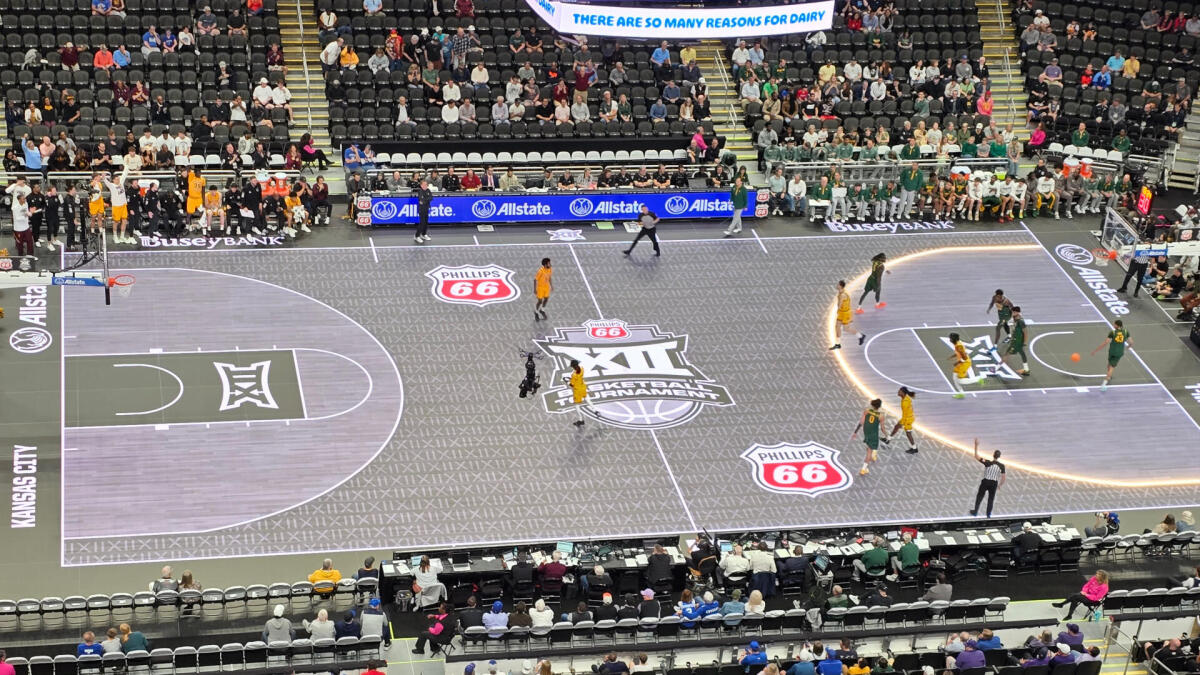
The Big 12 Conference has executed an abrupt operational retreat, decommissioning its experimental LED glass floor mid-tournament following critical player safety failures. Commissioner Brett Yormark mandated a return to traditional hardwood for the championship rounds in Kansas City, prioritizing biomechanical reliability over technological branding. This shift underscores a growing tension in professionalized sports: the friction between broadcast-driven innovation and the functional requirements of elite performance.
Biomechanical Volatility: The Christian Anderson Incident
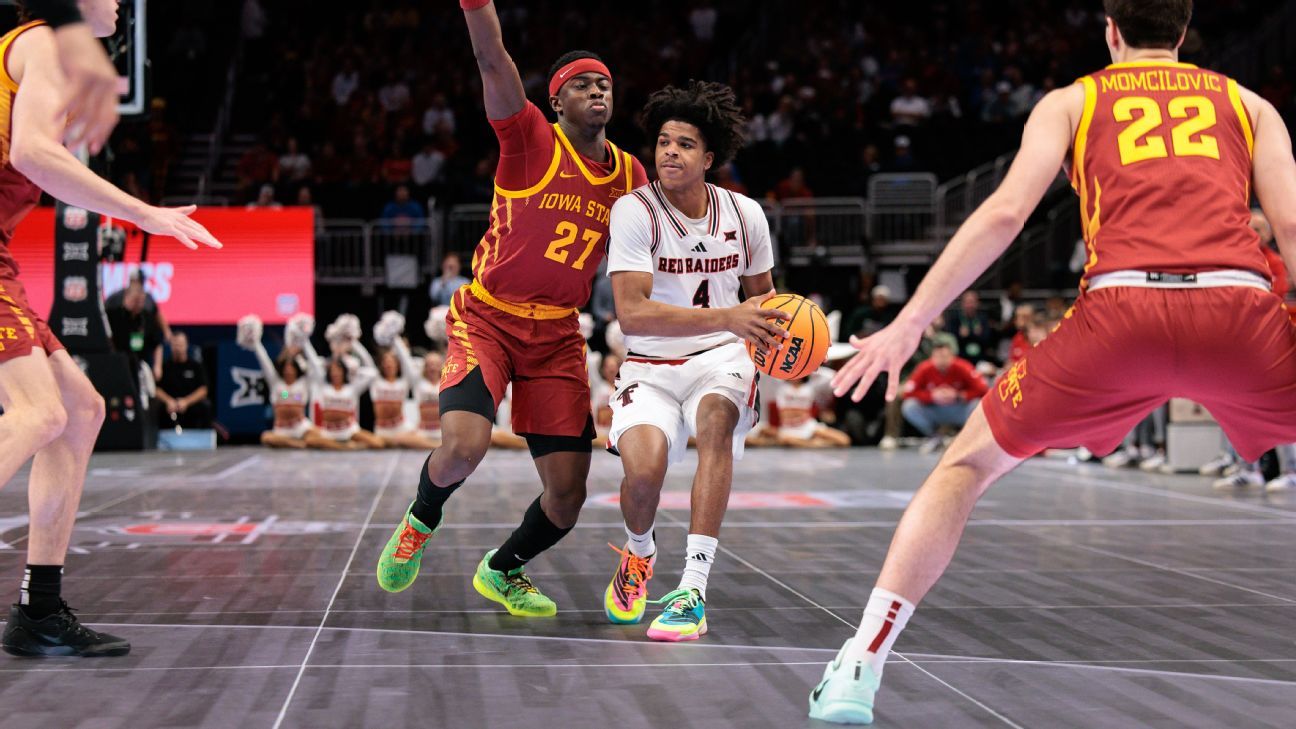
The strategic risks inherent in the ASB GlassFloor technology materialized during the quarterfinal matchup between No. 16 Texas Tech and No. 7 Iowa State. Texas Tech guard Christian Anderson suffered a significant muscle strain after his foot lost traction on the glass surface during a routine inbounds play. This mechanical failure forced Anderson out of the contest, directly impacting the competitive equity of the game, which Texas Tech eventually lost 75-53.
Anderson’s injury provides a definitive data point regarding the surface’s friction coefficient. Describing the floor as “slippery,” the athlete highlighted a lack of predictable grip required for the explosive lateral movements of high-stakes basketball. For institutional stakeholders, this incident transforms a marketing experiment into a liability concern, as unproven surfaces compromise the health of high-value athletic assets.
Neurological Disruptions and Sensory Feedback
Beyond traction failures, the LED substrate introduced unforeseen physiological stressors. Kansas State’s Khamari McGriff reported acute migraine symptoms attributed to the floor’s high-intensity light emissions. This sensory interference suggests a significant mismatch between the technology’s aesthetic objectives and the biological constraints of athletes performing under intense arena lighting.
The upward-facing light source alters the visual environment, complicating depth perception and increasing cognitive load. Multiple players across the men’s and women’s brackets reported that the floor’s distracting visuals and inconsistent surface temperature created an environmental mismatch. The feedback indicates that while the technology enhances fan engagement and sponsorship real estate, it currently fails to meet the rigorous ergonomic standards of professional competition.
Strategic De-escalation and Brand Protection
Commissioner Yormark’s decision to replace the surface overnight represents a calculated exercise in crisis management. By consulting with the coaches of the final four teams—Arizona, Iowa State, Houston, and Kansas—Yormark established a consensus to prioritize student-athlete welfare. This tactical admission suggests that the experimental phase had reached a point of diminishing returns, where the “glitz” of the medium threatened the integrity of the conference’s primary product.
The logistical feat of installing a hardwood court within a 12-hour window at the T-Mobile Center illustrates the urgency to stabilize the tournament narrative. Protecting the health of marquee players on teams with national title aspirations became the paramount strategic objective. Moving the “Final Four” of the tournament back to hardwood restores the baseline standards of elite competition and mitigates further reputational damage.
Institutional Implications for the Future of Sports Tech
The Big 12’s experience serves as a cautionary case study for global athletic organizations. The experiment revealed that visual innovation cannot compensate for a lack of longitudinal data regarding surface reliability. Institutional stakeholders will likely demand more rigorous stress testing before sanctioned events adopt similar glass-based infrastructures.
The incident also highlights the influence of broadcast partners on the field of play. If the primary motivation for the LED floor was to optimize the television spectacle, the resulting injuries suggest that the priorities of the broadcast may have superseded the needs of the performers. Moving forward, the industry must bridge the gap between controlled lab testing and the unpredictable dynamics of a live, high-intensity tournament environment.