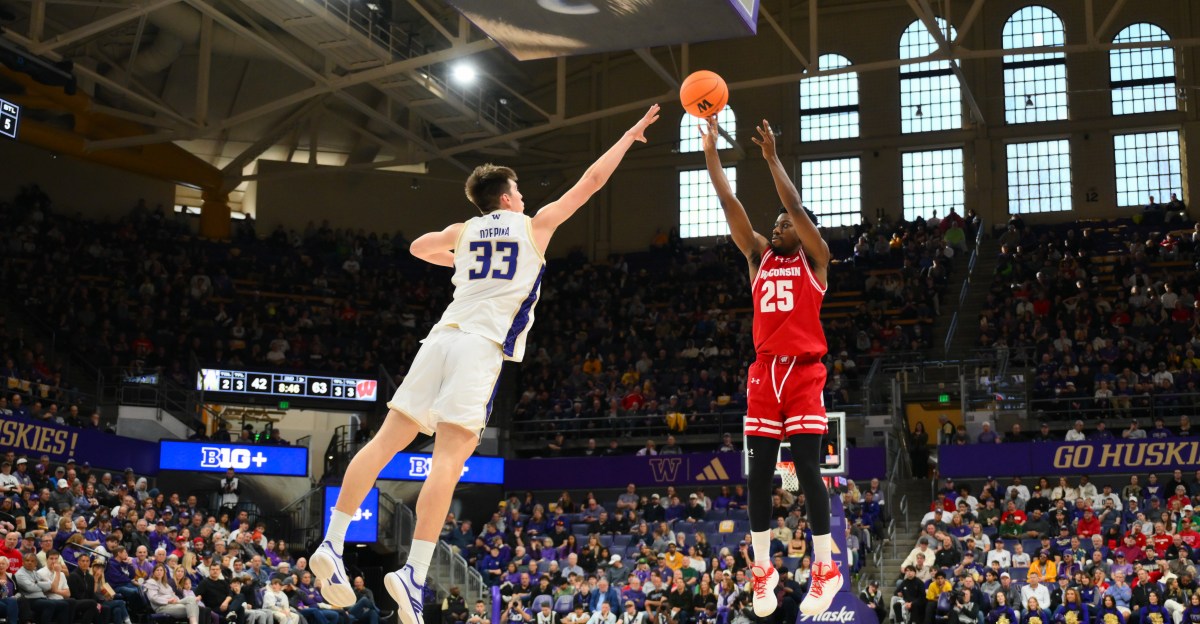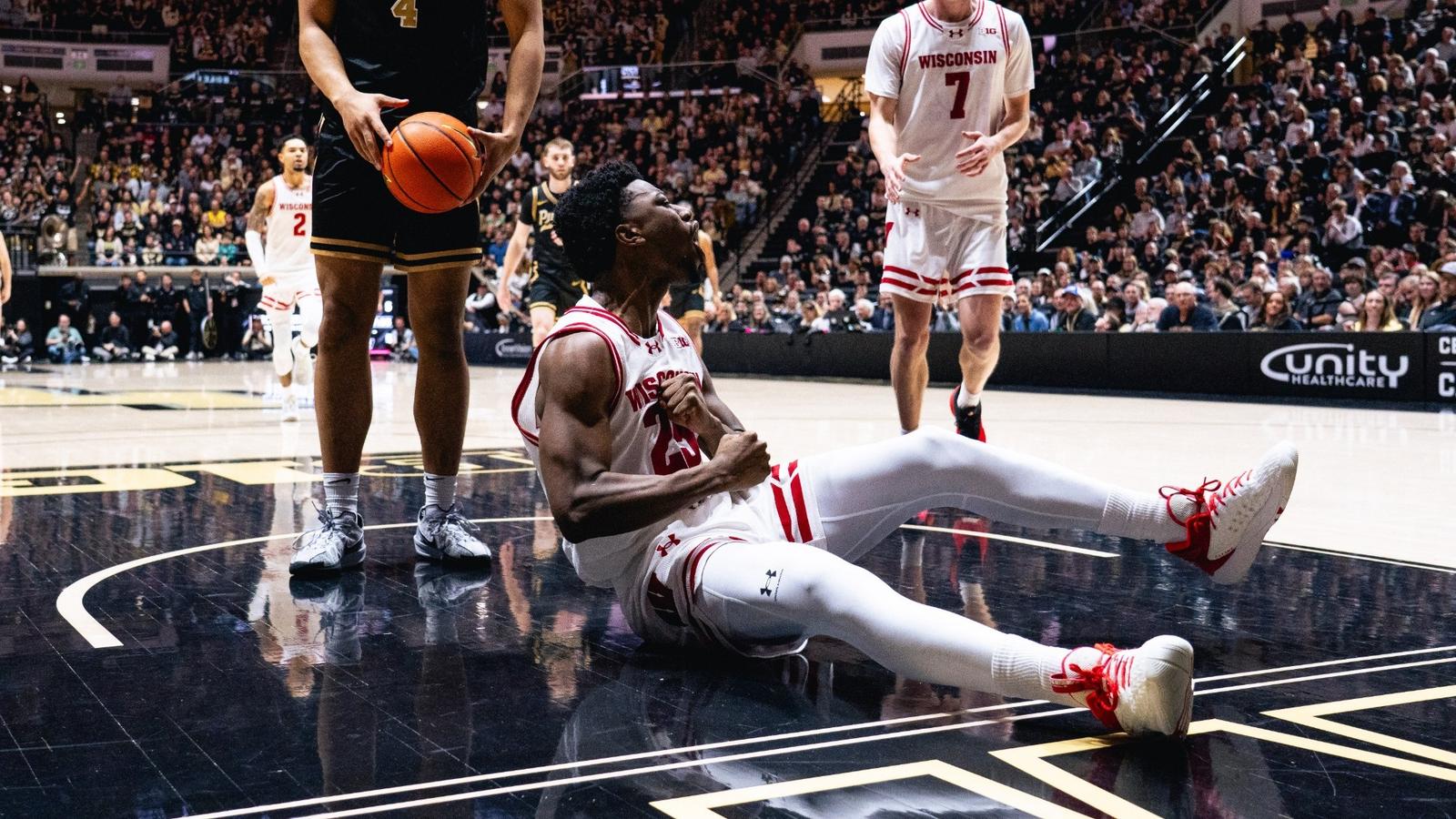
The 2026 Big Ten Tournament opening round at the United Center presents a high-stakes analytical rematch between the No. 5 seeded Wisconsin Badgers and the No. 12 seeded Washington Huskies. This encounter follows a decisive 17-point Wisconsin victory in Seattle, a result that established a clear performance baseline. For the Badgers, the objective is to leverage established tactical dominance while mitigating the psychological complacency inherent in facing a recently defeated conference opponent.
Head coach Greg Gard has pivoted toward strategic continuity, emphasizing operational efficiency over late-season innovation. This approach prioritizes the ‘execution-over-invention’ philosophy, suggesting the coaching staff views their current system as sufficient to navigate the bracket if played at peak efficiency. This institutional confidence is bolstered by a regular-season finale that demonstrated the roster’s offensive ceiling, particularly in perimeter distribution.
The historical weight of the No. 5 seed is a critical variable for Wisconsin. Having occupied this position for three consecutive seasons, the program has established a precedent for reaching the Big Ten championship game from this specific starting point. This structural familiarity with the tournament’s scheduling and pathing provides a roadmap for the 2026 roster to replicate previous deep runs.
Variance vs. Stability: The Rematch Dynamics
Transitioning from a true road environment to a neutral site in Chicago shifts the environmental variables, yet the 6.5-point spread suggests a market belief in Wisconsin’s superior depth. Washington’s campaign, led by Danny Sprinkle, has been defined by extreme performance volatility—exemplified by an 15-16 overall record. While the Huskies demonstrated high-level scoring potential in a 91-72 victory over USC, their subsequent inability to maintain defensive consistency remains a primary exposure.
Wisconsin’s veteran leadership, specifically sixth-year guard Nick Boyd, acts as a stabilizing force against the high-ceiling, low-floor profile of the Huskies. Boyd’s perspective on the season’s fluctuations highlights an internal awareness of the team’s vulnerability when deviating from their standard of play. This maturity is a strategic asset in a single-elimination format where emotional regulation often dictates the outcome of momentum-heavy runs.
Perimeter Leverage and Defensive Priorities
The Badgers’ recent offensive evolution serves as a benchmark for their tournament potential. Setting a school record with 12 three-pointers in a single half against No. 15 Purdue indicates a significant shift in scoring distribution. The dual-threat backcourt of John Blackwell and Nick Boyd—who combined for 48 points in that contest—forces opposing defenses to extend coverage, thereby creating high-percentage opportunities in the interior.
Conversely, the defensive priority remains neutralizing Washington’s Braeden Carrington. Carrington’s 32-point output in late February proved he can produce elite numbers regardless of team deficit. Gard’s defensive scheme will likely focus on limiting Carrington’s touches in transition and preventing him from galvanizing a Huskies bench that thrives on offensive bursts. The ability to disrupt Carrington’s rhythm without overcommitting on help defense will be the deciding factor in maintaining the spread.
Institutional Branding and Commercial Impact
Beyond the court, the Big Ten Tournament is a platform for institutional branding. Wisconsin’s coordinated fan engagement—ranging from the Hilton Hotel sendoff to the Kaiser Tiger rally—is designed to consolidate fan support and generate a pseudo-home-court atmosphere at the United Center. These activations serve to maximize the program’s visibility and financial footprint during the national broadcast window.
The presence of the UW Band and Spirit Squad reinforces the cultural capital invested in the tournament, justifying the media rights and sponsorship investments from partners like TIAA and the Big Ten Network. From a strategic standpoint, a successful run enhances the university’s profile for recruiting and donor relations, proving that the athletic department’s investment in Greg Gard’s system continues to yield high-visibility returns.
As the Badgers pursue a fourth Big Ten title, the matchup serves as a test of consistency. Washington’s desperation may lead to high-risk tactical shifts, but Wisconsin’s reliance on established systems suggests a team prepared for any scenario. The goal is clear: proving that the competitive gap observed in Seattle remains just as wide in the high-pressure environment of Chicago.