

US Open 2026: Quarterfinal Battles Shape Championship Contention
The 2026 US Open has reached its critical quarterfinal phase, with Monday’s high-stakes matchups poised to define the men’s and women’s singles draws. Held at the iconic Billie Jean King National Tennis Center in Flushing Meadows, New York, from August 30 to September 13, the tournament is now a crucible where established champions and emerging talents fiercely compete for Grand Slam glory and pivotal ranking points.
Men’s Singles: American Surge and Top Seed Challenges
The men’s draw showcases a notable American resurgence, with three U.S. players already securing quarterfinal spots on Sunday. Monday’s action offers further domestic advancement as No. 14 Learner Tien faces a stern test against Karen Khachanov, aiming for his second Grand Slam quarterfinal appearance. This collective performance underscores the growing strength of American tennis and the strategic advantage of home-court support.
Top seed Alexander Zverev continues his formidable pursuit of a second Grand Slam title, confronting Luciano Darderi in a pivotal Monday fixture. This match is crucial for Zverev to affirm his championship-contending form and demonstrate resilience under pressure, setting a benchmark for other elite players navigating the demands of a major.
Further down the men’s schedule, Francisco Cerundolo is set to compete against Alexander Blockx, and Arthur Gea will challenge Botic van de Zandschulp. These encounters represent significant opportunities for unseeded or lower-ranked players to disrupt the established order, accrue valuable ranking points, and forge compelling Grand Slam narratives, potentially altering future tournament seeding dynamics.
Women’s Singles: Marquee Clashes and Evolving Hierarchies
The women’s singles draw is brimming with captivating storylines and marquee matchups. No. 2 Elena Rybakina is slated to face former champion Naomi Osaka, a clash of raw power against proven Grand Slam pedigree. The outcome of this high-profile encounter will profoundly impact perceptions of tour dominance and championship favoritism, adding significant intrigue to the women’s tour narrative.
An electrifying all-American duel features No. 4 Coco Gauff taking on fellow teenager and No. 14 Iva Jovic. This generational showdown highlights the impressive depth of American women’s tennis and serves as a critical proving ground for Jovic to challenge an established top player. Such matchups are vital benchmarks for player development and national tennis federations, shaping future talent pipelines.
French Open champion Mirra Andreeva is scheduled to compete against No. 24 Anastasia Potapova. Andreeva’s performance post-major victory is a key indicator of her ability to sustain success at the highest level, while Potapova seeks to leverage her seeding against a formidable talent. This match further illustrates the evolving hierarchy within women’s tennis.
Adding to the star power, 2022 US Open champion Iga Swiatek confronts Qinwen Zheng. This encounter pits Swiatek’s established Grand Slam experience against Zheng’s consistent improvement and burgeoning potential. Analysts and fans will closely watch this strategic battle, as its result could significantly influence market perceptions of their respective career trajectories and future leadership on the tour.
Strategic Ecosystem: Broadcast, Engagement, and Economic Impact
The 2026 US Open, broadcast on ESPN and ABC with streaming via fubo, strategically optimizes audience reach and engagement. This comprehensive coverage drives substantial advertising revenue and brand value for organizers and broadcast partners, while the inclusion of a free-to-air option via ABC broadens the sport’s appeal beyond dedicated enthusiasts.
The carefully curated tournament schedule and draw progression are instrumental for fan anticipation, directly influencing media narratives, sponsorship valuation, and the event’s overall commercial success. The Billie Jean King National Tennis Center’s world-class infrastructure supports the event’s massive scale, underpinning its significant economic contribution to New York City through tourism and local business activity.
Player Trajectories and Industry Dynamics
For players, deep runs in the US Open profoundly impact their global rankings, prize money earnings, and personal brand equity, directly shaping career trajectories and future sponsorship potential. The sustained performance of top seeds like Zverev and Swiatek is vital for maintaining the tournament’s prestige, while the emergence of new contenders like Jovic and Andreeva injects fresh narratives and long-term fan interest into the sport.
National federations, particularly the USTA for the US Open, significantly benefit from American player success. This not only validates strategic investments in player development programs but also inspires grassroots participation and strengthens national tennis interest. Broadcasters and sponsors strategically align with high-profile matches and compelling narratives, driving viewership and advertising rates, which in turn influences marketing budgets and investment across the sport’s commercial ecosystem.
As one of the four Grand Slam tournaments, the US Open’s outcomes reshape the global tennis calendar, influencing player strategies, team compositions, and long-term investment decisions by sports agencies and equipment manufacturers. Its consistent ability to deliver dramatic storylines and attract top talent reinforces its status as a premier global sporting event, crucial for the financial health and sustained appeal of professional tennis.
As the 2026 US Open intensifies towards its culmination, these quarterfinal clashes promise not only dramatic on-court action but also pivotal shifts in player rankings, sponsorship landscapes, and future career trajectories. The tournament continues to solidify its enduring status as a cornerstone of the global sporting calendar and a critical barometer for the evolving landscape of professional tennis.
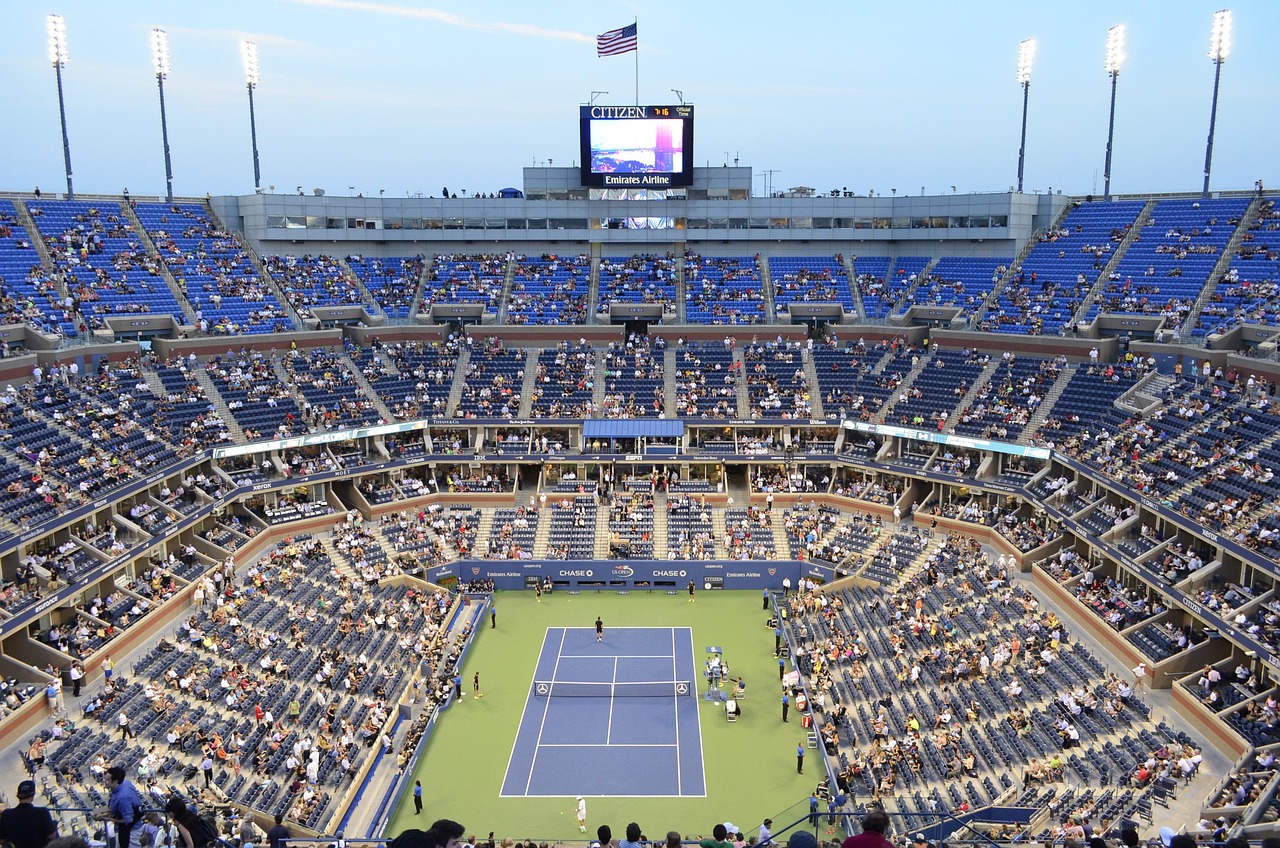
Photo by Constantin on Pixabay.