The persistent funding lapse within the Department of Homeland Security (DHS) has evolved from a budgetary friction point into a systemic threat to United States aviation security infrastructure. As Transportation Security Administration (TSA) officers endure protracted periods of non-remuneration, the agency’s institutional capacity to sustain standardized screening protocols is facing unprecedented duress. This fiscal volatility serves as a primary driver of human capital flight and operational inefficiency across the domestic transit network.
Human Capital Attrition and the Erosion of Institutional Knowledge
The departure of over 300 transportation security officers since the onset of the shutdown represents a significant liquidation of specialized expertise. Each resignation results in the loss of federally mandated training and high-level security clearances—assets that require substantial lead times and capital to replace. This attrition rate underscores a fundamental breakdown in the incentive structure for essential personnel who are legally compelled to perform high-stakes duties without contemporary compensation.
In addition to permanent separations, the agency is managing a 6% average rate of unscheduled absences (callouts). This spike in absenteeism is a direct manifestation of acute liquidity constraints within the workforce; for many, the immediate costs of commuting and childcare now exceed their available cash flow. The reliance on the personal financial resilience of employees highlights a precarious dependency that undermines the professional stability of the national security apparatus.
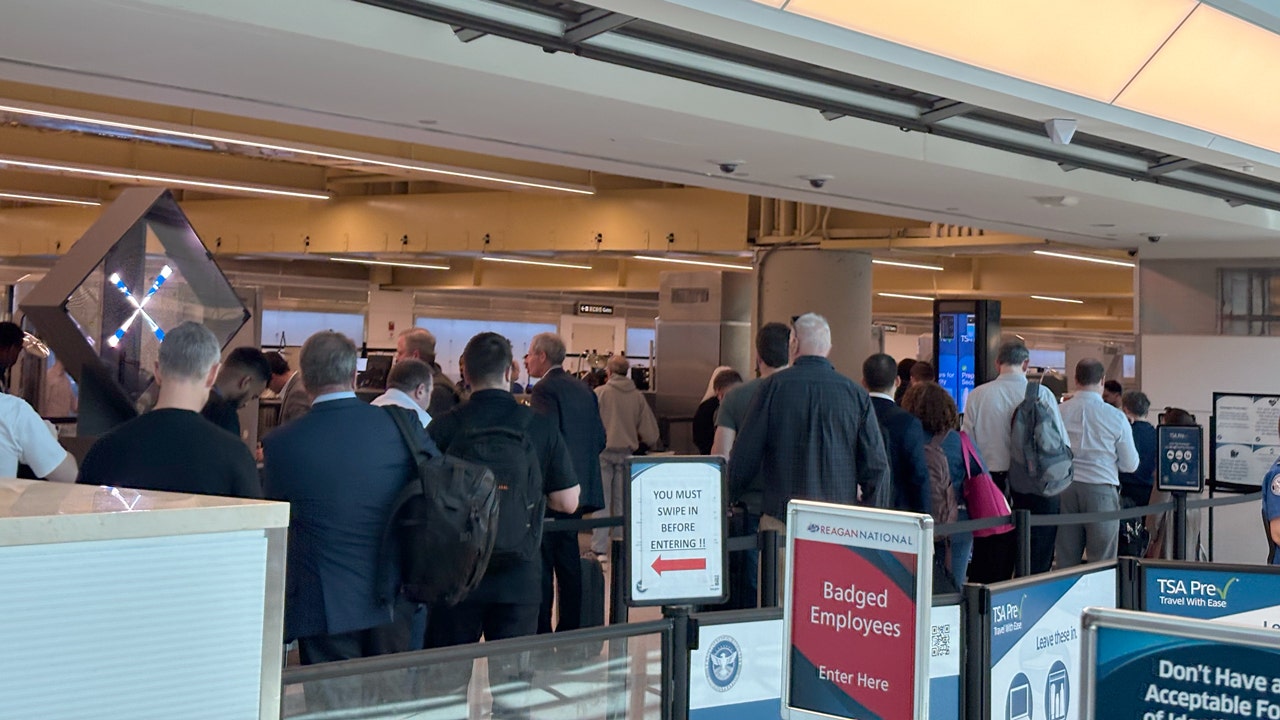
Psychological factors, specifically the degradation of morale reported at hubs such as Ronald Reagan Washington National Airport, further complicate the security posture. When mission-critical labor is decoupled from financial solvency, the resulting cognitive load on officers poses a non-negligible risk to the integrity of the screening process, where constant vigilance is the required standard.
Tactical Consolidation and Service Degradation
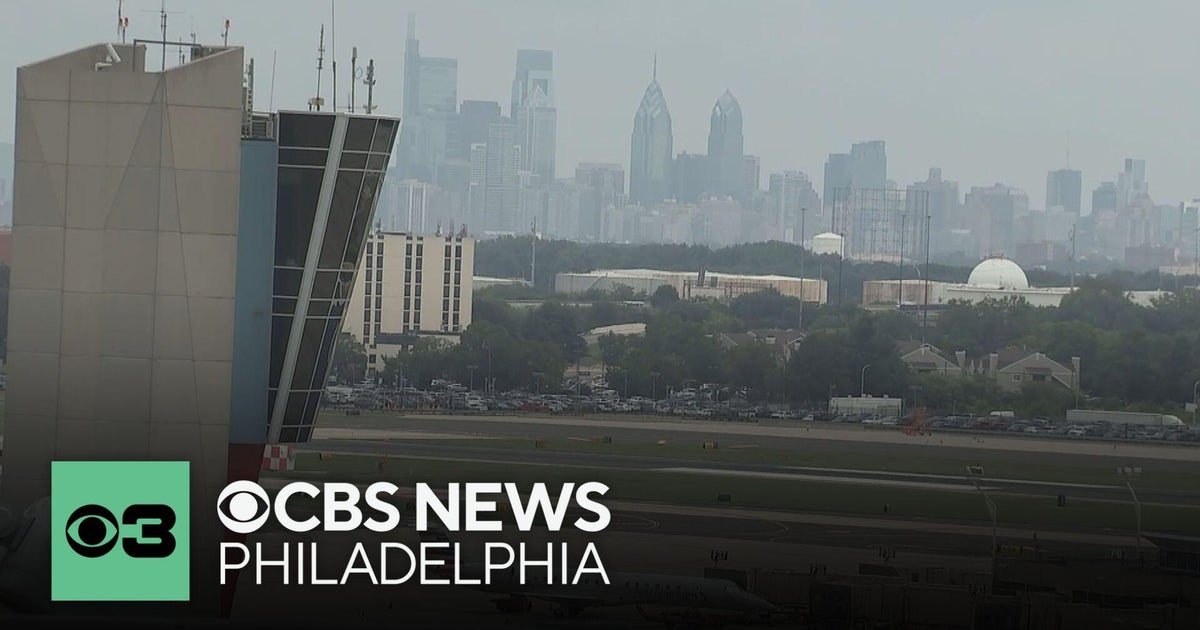
The temporary closure of the Terminal C checkpoint at Philadelphia International Airport (PHL) exemplifies the tactical retreats forced by staffing deficits. By consolidating personnel into a restricted number of checkpoints, the TSA attempts to maintain security integrity at the expense of logistical throughput and passenger convenience. This consolidation is a reactive measure intended to prevent the total failure of screening operations at high-volume nodes.
These closures generate a cascading impact on the airport ecosystem, concentrating traveler volume into limited spaces. Such density not only increases wait times but shifts the burden of crowd management onto a diminished workforce, creating a feedback loop of operational strain. Furthermore, the shuttering of specific zones impacts the commercial viability of post-security retailers, demonstrating how administrative instability ripples through the broader aviation economy.
Strategic Stopgaps: Global Entry and Technological Reliance
In a bid to preserve international throughput and mitigate the burden on human resources, the DHS has reactivated the Global Entry program. This move indicates a strategic prioritization of automated, pre-cleared traveler streams to offset the deficit in manual screening capacity. By leveraging pre-vetted data, the agency is attempting to bypass labor-intensive checkpoints for high-value traveler segments.
However, these technological stopgaps address only a fraction of the traveling public. While they may alleviate pressure at specific points of entry, they do not resolve the fundamental staffing requirements of primary domestic checkpoints. The decision to restart these services reflects a desperate attempt to maintain high-efficiency programs despite the broader fiscal paralysis, highlighting the tension between rigorous security mandates and economic necessity.
The Breaking Point of Essential Federal Labor
The transition from diminished pay to the total absence of remuneration marks a critical inflection point. For federal officers, the exhaustion of personal savings and the accumulation of household debt create an irreconcilable conflict with professional obligations. As the shutdown persists, the opportunity cost of remaining in a non-paying federal role increases, particularly for personnel with transferable skills in the private security sector.
The current strain exposes a profound vulnerability: the susceptibility of critical infrastructure to political budgetary cycles. If the impasse remains unresolved, the TSA may be forced to implement more drastic measures, including further lane closures or the suspension of non-essential security services. Restoring the agency to full operational proficiency will require not only the resumption of funding but a concerted effort to rebuild the trust and financial security of its essential workforce.