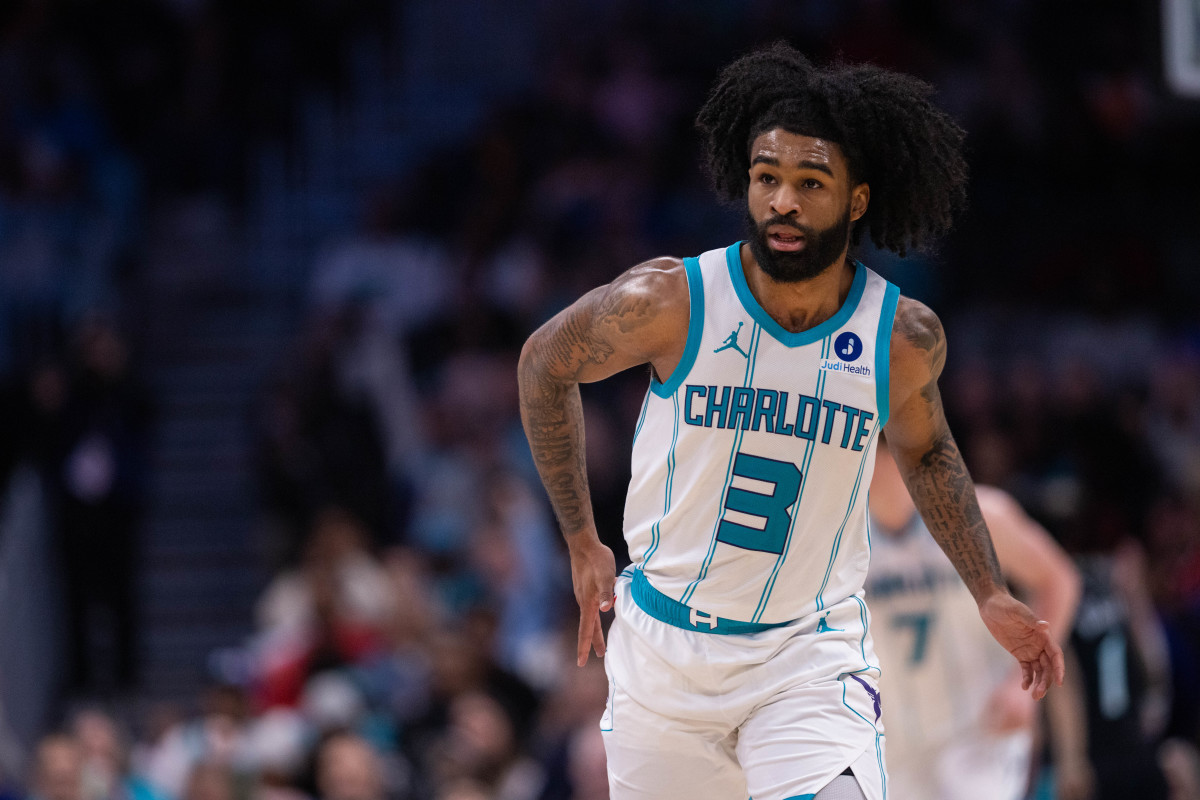
The March 11, 2026, interconference clash between the Charlotte Hornets and the Sacramento Kings at Golden 1 Center serves as a high-fidelity case study in how systemic roster attrition dictates market valuations and postseason probability. Charlotte enters at a neutral 33-33 record, viewing this contest as a vital mathematical buffer to secure a positive win-loss margin during a late-season road swing.
Strategic Postseason Calculus for Charlotte
Charlotte’s offensive architecture remains tethered to the availability of LaMelo Ball, the primary driver of transition tempo and playmaking leverage. Averaging 19.2 points and 7.2 assists, Ball’s absence from the injury report allows the Hornets to exploit Sacramento’s fractured defensive rotations. This operational advantage is bolstered by Brandon Miller’s emergence as a secondary scoring threat; his 23-point performance against Portland mitigates the fatigue-induced variance typical of back-to-back road schedules.
From a standing perspective, the Hornets occupy a volatile tier in the Eastern Conference. The organizational decision to maintain Ball’s high usage rate, despite recent foul trouble, signals a prioritization of immediate win-probability over long-term load management. By securing an interconference win against a bottom-tier opponent, Charlotte strengthens its statistical path to a higher playoff seed.
Sacramento’s Institutional Roster Crisis
Conversely, the Sacramento Kings (16-50) are navigating a catastrophic failure of roster continuity. The season-ending losses of Zach LaVine, Domantas Sabonis, and De’Andre Hunter have effectively dismantled the franchise’s competitive infrastructure. The absence of Sabonis, in particular, removes the central hub of Sacramento’s half-court sets, forcing a reliance on deep-bench rotations lacking established chemistry.
The crisis is exacerbated by the unavailability of veteran leaders Russell Westbrook and Devin Carter for Wednesday’s matchup. Carter’s absence is notably impactful given his recent 24-point production off the bench. Furthermore, with Keegan Murray and Malik Monk sidelined by ankle injuries, the Kings are stripped of their primary floor-spacing options, leaving an active roster with limited tactical counters against Charlotte’s perimeter pressure.
Betting Market Implication and Defensive Volatility
The betting markets reflect this talent disparity with an aggressive -13.5 spread in favor of the visiting Hornets. This valuation underscores a total loss of market confidence in Sacramento’s defensive integrity. The Kings surrender a league-high 120.9 points per game, a metric expected to rise without their primary rim protectors and perimeter stoppers. A moneyline of -901 implies a win probability exceeding 90%, categorizing this game as a low-variance outcome for institutional bettors.
Operational Burden and Media Exposure
While Charlotte manages minor absences like Grant Williams and Liam McNeeley, their core rotation remains intact, providing a significant depth advantage. The game broadcast on FDSSE and NBCS-CA faces a star-power deficit, placing the commercial burden on the narrative of player development for Sacramento and the star visibility of LaMelo Ball for Charlotte. For the Golden 1 Center, the absence of marquee starters presents a challenge for gate receipts and secondary market demand during the final stretch of a 16-50 season.