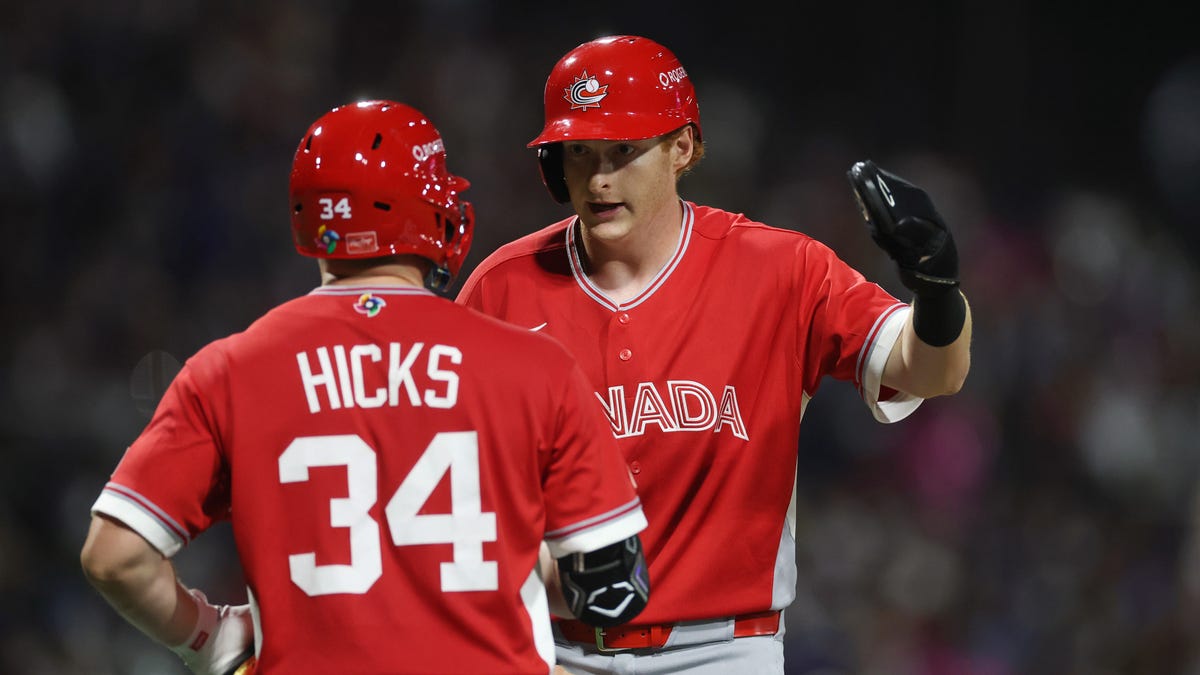
Canada’s World Baseball Classic trajectory shifted decisively following a crucial 3-2 victory over the previously undefeated host, Puerto Rico. This result places the Canadian contingent in command of its own advancement to the quarterfinals—a stage historically unreachable across five prior tournament iterations.
Pool A Tiebreakers and Self-Determination
The immediate competitive consequence of the upset is the establishment of a clear, winner-take-all scenario against Cuba in the final Pool A fixture. A victory secures Canada’s passage with a 3-1 record, simultaneously claiming the Pool A top seed due to the head-to-head tiebreaker advantage over Puerto Rico (also 3-1).
Conversely, a loss to Cuba eliminates Canada at a 2-2 finish, below both Puerto Rico and Cuba in the final standings. This structure concentrates all competitive leverage onto the final scheduled pool game, moving the narrative from historical underperformance to immediate, self-determined progression.
Managerial Focus: Prerequisite vs. Objective
Manager Ernie Whitt frames the Puerto Rico win merely as a prerequisite, underscoring the operational necessity of maintaining focus for the ultimate objective against Cuba. The team must immediately translate momentum into execution, as the competitive window closes instantly upon defeat.
The performance against Puerto Rico—characterized by disciplined pitching limiting the hosts to five hits and critical situational offense via bases-loaded walks—demonstrates capacity for high-leverage execution under duress. This efficiency is crucial against Cuba, who also controls their path forward based on this final result.
Personnel Investment and Competitive Benchmarking
The commitment of elite personnel, exemplified by Cal Quantrill’s participation, signals a significant cultural and strategic investment in national representation. Quantrill prioritized the WBC over standard Texas Rangers spring training integration following his new contract, indicating high perceived value alignment between national duty and professional development.
Quantrill’s assessment that WBC intensity surpasses typical spring training highlights the tournament’s function as a relevant, high-stakes performance evaluation platform that MLB organizations are accommodating. This participation mitigates organizational friction, suggesting established negotiation precedents regarding participation in high-intensity, non-injury-protected events.
Historical Inertia and Inflection Point
Canada’s five-tournament history of failing to reach the knockout stage establishes a significant competitive barrier. The magnitude of the Puerto Rico win is amplified by achieving it on hostile ground against a favored opponent, suggesting a crucial inflection point in the program’s international standing.
The term “landmark victory” reflects the deviation from established performance trends. The challenge is translating this singular success into sustained advancement into the knockout phase, where pitching workload management across consecutive high-leverage contests becomes exponentially critical.
Knockout Readiness and Seeding Strategy
Should Canada advance, operational readiness shifts immediately to adapting to a new venue and opponent style. The bullpen functionality demonstrated against Puerto Rico suggests depth, but sustaining execution over multiple knockout rounds defines the ultimate ceiling.
The final Pool A game is not solely about survival for Canada; it’s a direct contest for seeding superiority against Cuba. A victory positions Canada as a primary contender, dictating bracket placement and potential opponent matchups in the knockout stage, maximizing competitive advantage moving forward.
Media Visibility and Institutional Leverage
The high-visibility broadcast of the decisive match links competitive outcomes directly to national exposure, impacting future resource allocation for the Canadian baseball infrastructure. Reaching the quarterfinals for the first time would validate investment in player pathways and serve as a powerful tool for future talent acquisition.
The agency demonstrated by players like Quantrill in navigating complex obligations to participate is essential. Sustained international success directly impacts the program’s leverage in securing corporate sponsorship and maintaining positive elite player engagement for subsequent tournaments.