AJ Dybantsa’s Record-Breaking Performance Reshapes NBA Draft Hierarchy
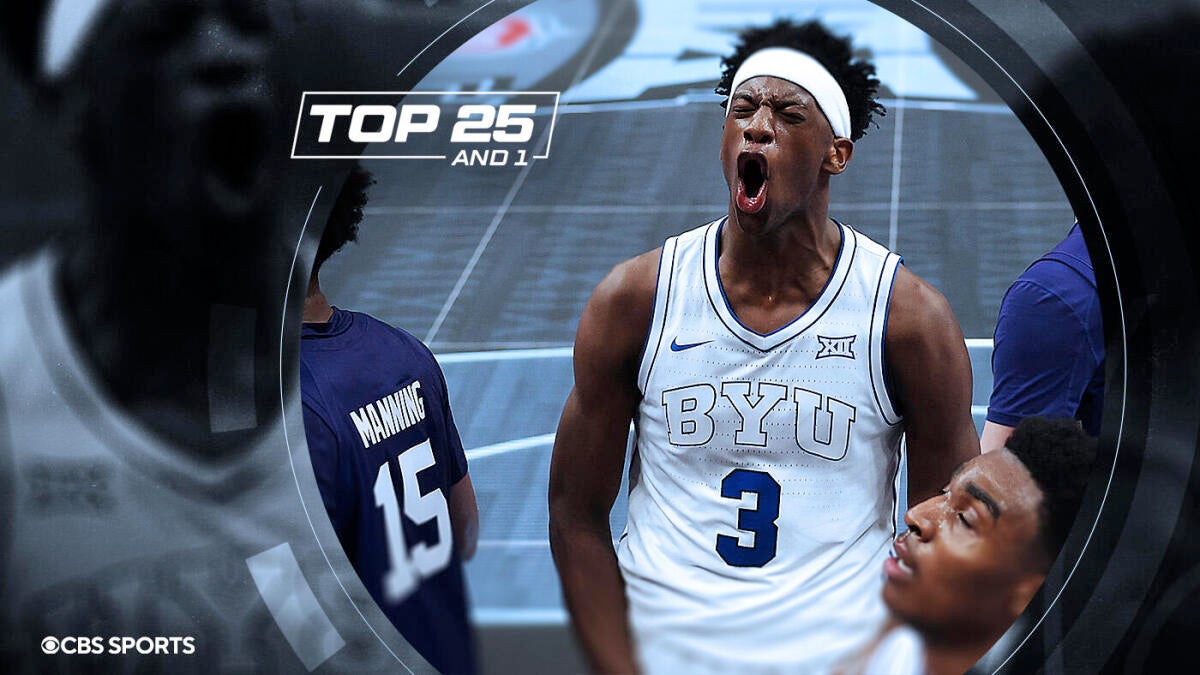
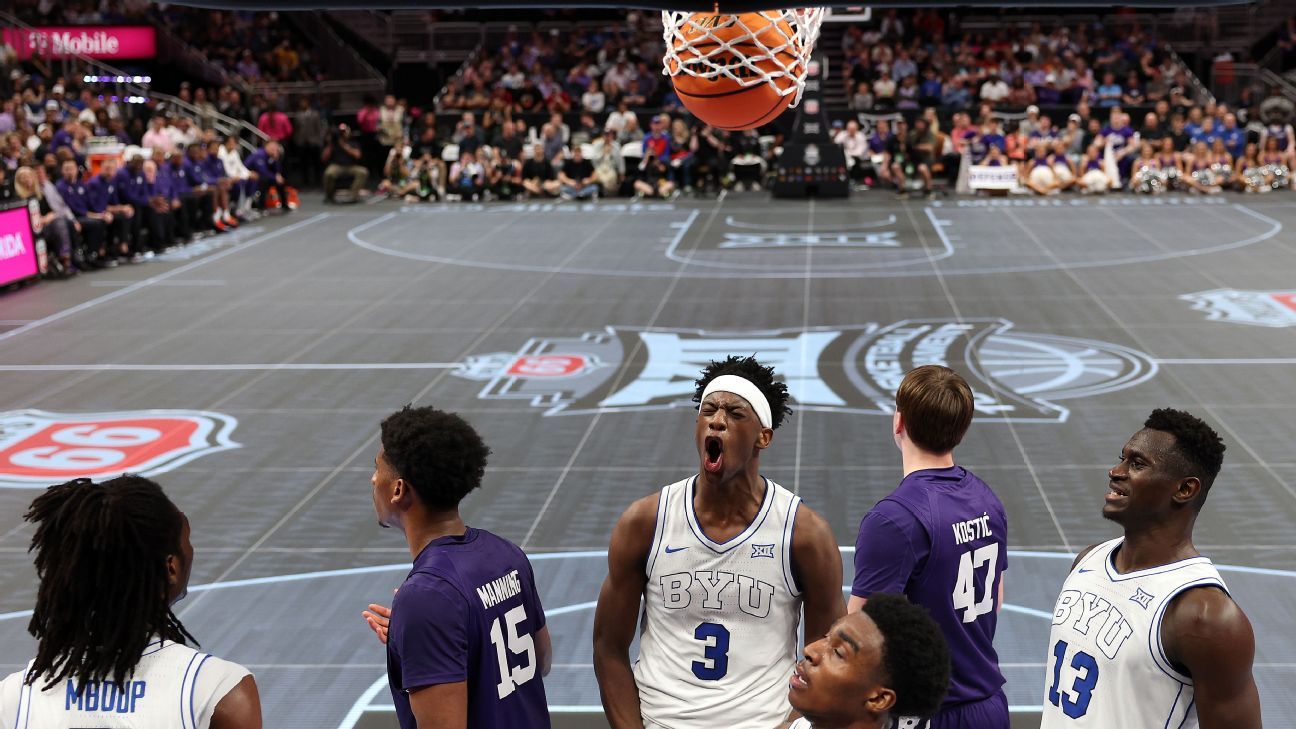
BYU forward AJ Dybantsa delivered a record-breaking performance in the Big 12 tournament, scoring 40 points in a 105-91 victory over Kansas State. The freshman’s output, which included nine rebounds and six assists, not only secured a win for the No. 10 seed Cougars but also significantly altered the competitive landscape surrounding the upcoming NBA draft. Dybantsa’s performance surpassed the Big 12 tournament freshman scoring record previously held by Kevin Durant (37 points in 2007) and made him only the fourth Division I freshman in the past 30 seasons to score 40 points in a conference tournament game, immediately drawing comparisons to generational talents.
This individual showcase comes at a critical juncture in the draft cycle, where Dybantsa is competing with Duke’s Cameron Boozer and Kansas’ Darryn Peterson for the top selection. Dybantsa explicitly stated his intention to use the postseason to prove he deserves the No. 1 pick, framing the tournament as a direct challenge to established draft narratives. His 40-point game, achieved on 15 field goals—another Big 12 tournament record—serves as a high-leverage data point for NBA scouts and front offices evaluating top-tier talent in high-pressure environments, providing tangible evidence of clutch performance under pressure.
Strategic Implications for Draft Positioning and Naismith Award Conundrums
Dybantsa’s performance highlights the strategic importance of conference tournaments for elite prospects in the modern college basketball ecosystem. For players widely projected as top-three picks, these high-stakes games offer a final opportunity to differentiate themselves before the draft combine. The performance directly challenges the perceived hierarchy of the draft class; while Boozer and Peterson have maintained strong positions throughout the season, Dybantsa’s ability to eclipse historical benchmarks creates a compelling narrative for a potential shift in consensus. This dynamic places significant pressure on rival prospects to match or exceed such performances, intensifying the competition for the top draft slot.
The record-breaking night also highlights a significant tension between individual excellence and institutional success, particularly concerning major awards like the Naismith Award. The source notes that 18 of the past 20 Naismith Award winners played for teams ranked in the top 10 by KenPom.com, suggesting a strong correlation between team performance and individual recognition. This structural bias places Dybantsa at a disadvantage compared to Cameron Boozer, who plays for a top-ranked team and is considered a lock for the award.
However, Dybantsa’s path to recognition relies on individual statistical dominance that transcends team-level metrics. The historical exceptions, Durant (2007) and Doug McDermott (2014), were both top-seven scorers in NCAA history, establishing a precedent for individual brilliance overriding team ranking. Dybantsa’s performance positions him as a potential candidate to join this exclusive group, demonstrating that exceptional individual output can challenge established institutional criteria for recognition.
Institutional Context: BYU’s Leverage vs. Kansas State’s Operational Breakdown
For BYU, Dybantsa’s high-profile performance offers significant reputational leverage, regardless of the team’s overall tournament outcome. A player setting records previously held by NBA legends enhances the program’s recruiting narrative and validates its ability to develop elite talent. This visibility can attract future high-level prospects, creating a positive feedback loop for institutional growth and competitive positioning in a highly competitive conference like the Big 12.
Conversely, the game’s outcome simultaneously marked the end of Kansas State’s season, described in the source as a “nightmare season” characterized by inconsistent effort and poor play. The 105-91 loss concluded a 12-20 season for the Wildcats, highlighting significant institutional challenges. The source notes that Kansas State fired coach Jerome Tang for cause about a month before the end of the regular season, indicating a breakdown in program leadership and performance management. This mid-season termination suggests a severe operational failure and a significant financial and reputational cost for the institution, creating uncertainty for current players and incoming recruits.
Following the loss, Kansas State’s athletic director, Gene Taylor, faces immediate pressure to identify and sign a new head coach. The timing of the coaching search, immediately following the season’s conclusion, is critical for stabilizing the program and preparing for the next recruiting cycle. The new coach will inherit a program in flux, requiring a strategic reset to address the issues of inconsistent effort and poor performance that plagued the previous season.