The Biomechanics of Withdrawal: Gauff’s Neurological Warning
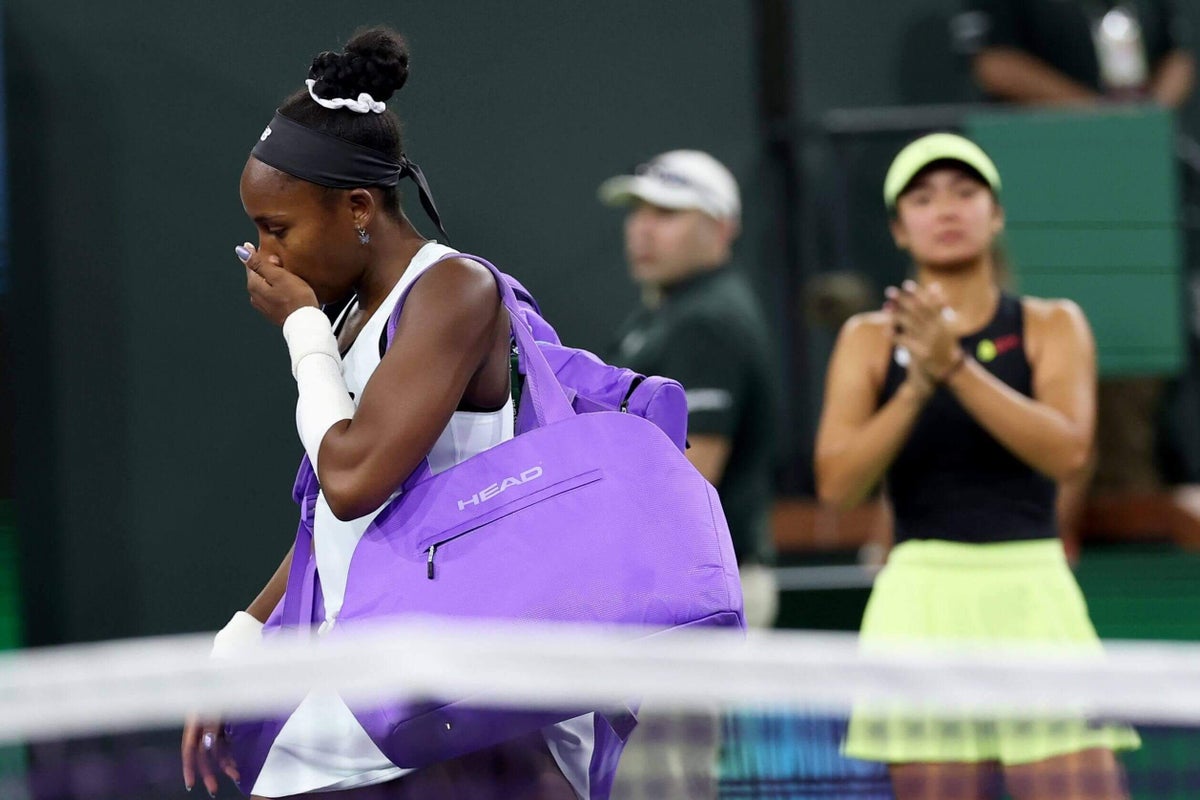
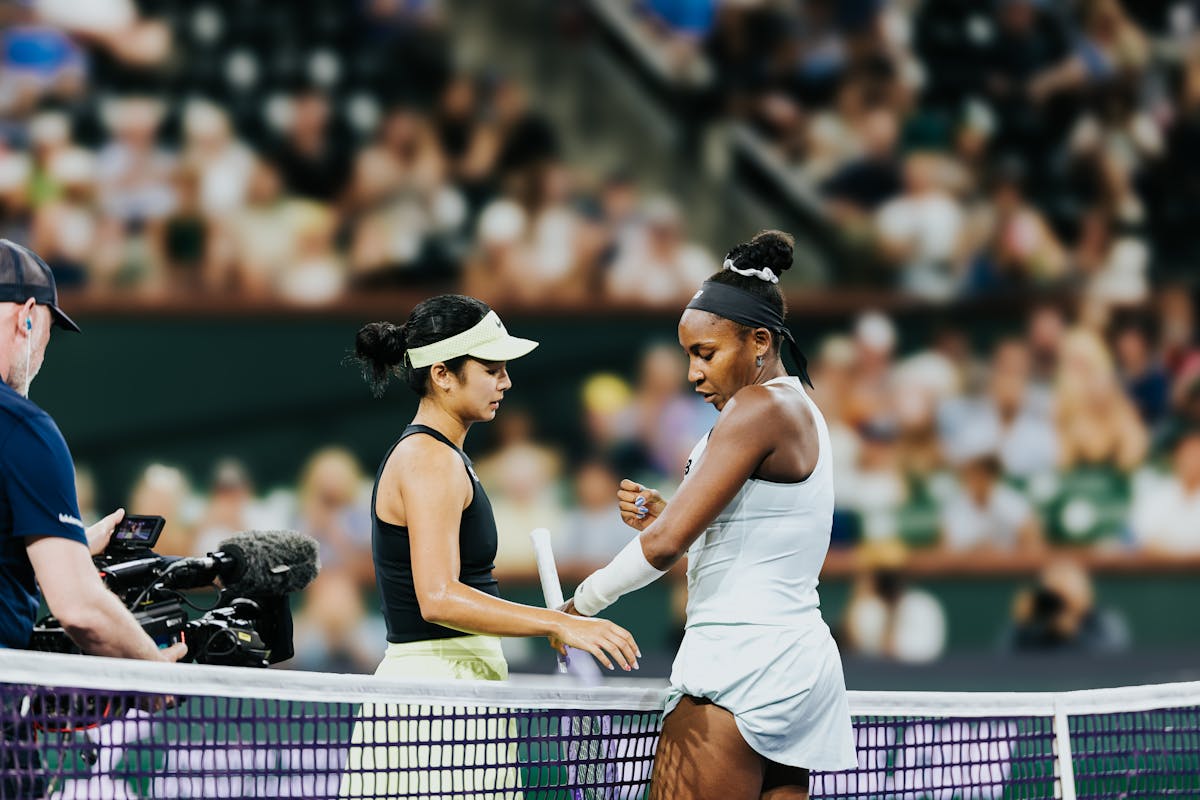
The retirement of world No. 4 Coco Gauff during her third-round match at the BNP Paribas Open against Alexandra Eala introduces a rare variable into the 2024 season. For a player defined by elite court coverage and physical resilience, Gauff’s decision to withdraw while trailing 6-2, 2-0 is a significant departure from her typical competitive profile. Describing the sensation as a ‘firework’ or nerve-related distress within her left arm, the injury points toward acute neurological impingement rather than a standard muscular strain.
This marks only the second retirement in Gauff’s professional tenure, a statistic that underscores the severity of the symptoms. By opting for an immediate MRI, Gauff’s camp is prioritizing long-term structural integrity over the immediate defense of ranking points during the Sunshine Double. In the context of modern sports medicine, the transition from the arid, slow-bouncing conditions of the California desert to the high-velocity requirements of the Miami Open necessitates a high threshold for physical clearance.
Alexandra Eala: Tactical Maturity and Market Expansion
While Gauff’s injury dictated the match’s conclusion, Alexandra Eala’s presence in the third round represents a seismic shift in the WTA’s demographic reach. As the first Filipina to earn a seeded position in a tournament of this magnitude, Eala’s progression is a proof of concept for the tour’s developmental initiatives in Southeast Asia. Her preceding victory over Dayana Yastremska—a grueling late-night encounter—demonstrated a tactical composure and defensive elasticity that suggests her ranking is catching up to her technical ceiling.
Eala’s ability to maintain focus amidst the atmospheric pressure of a night-session match against a major champion highlights her readiness for the WTA 1000 level. Beyond the court, her rise provides the tour with significant leverage in the Asian market, converting regional loyalty into tangible broadcasting and sponsorship assets. Her advancement, though punctuated by Gauff’s physical misfortune, solidifies her status as a legitimate disruptor in the draw.
Structural Implications for the WTA 1000 Circuit
The departure of a top-four seed fundamentally recalibrates the bottom half of the Indian Wells bracket. Gauff’s absence removes a primary defensive benchmark, potentially thinning the resistance for remaining contenders and qualifiers. This volatility is a byproduct of the ‘Sunshine Double’ schedule, where the cumulative physical toll of back-to-back mandatory events often exposes latent vulnerabilities in even the most durable athletes.
The convergence of Gauff’s diagnostic uncertainty and Eala’s breakthrough illustrates the dual nature of the contemporary tour: the constant struggle for physiological preservation against the relentless emergence of new global talent. As the circuit pivots toward Miami, the focus remains on Gauff’s recovery timeline and Eala’s ability to capitalize on this newfound momentum within the elite tiers of the professional game.