Strategic Prioritization of Veteran Takeaways Over Potential
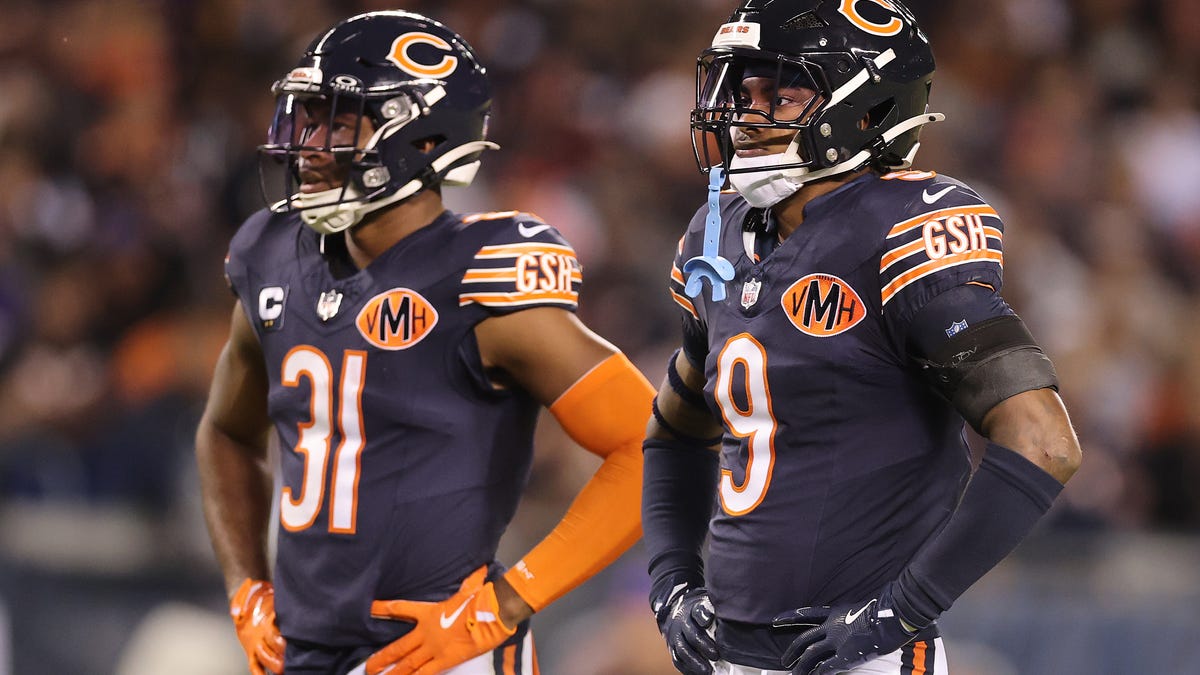
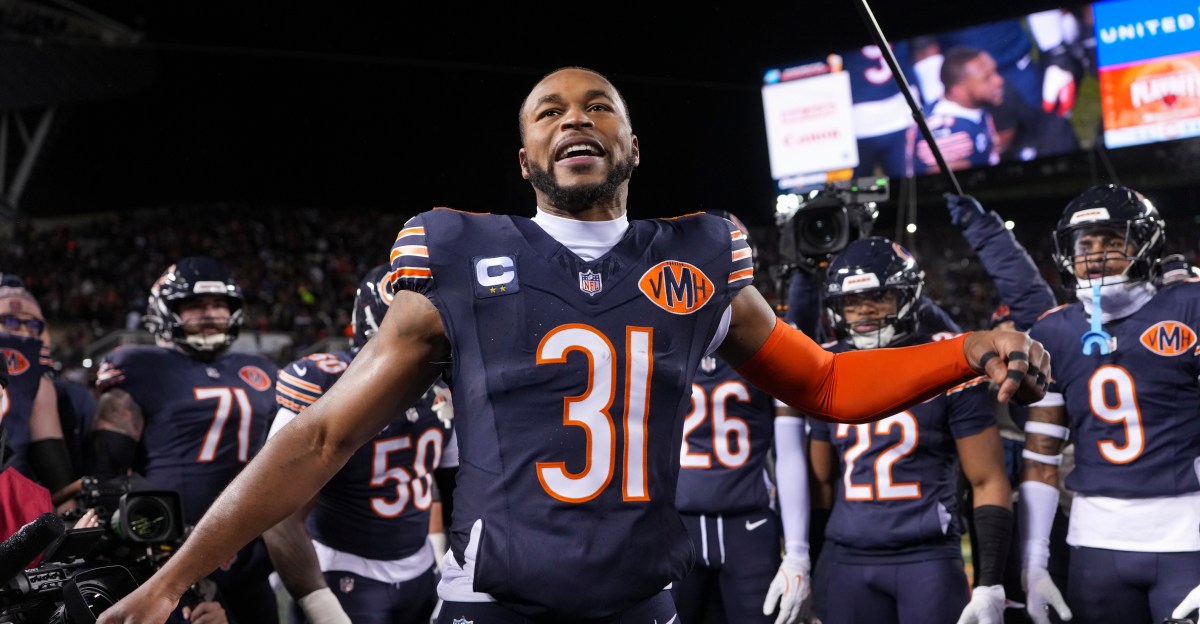
The Chicago Bears’ free agency strategy for the defensive backfield signals a clear prioritization of immediate performance and established leadership over long-term asset development. The reported decision to re-sign veteran safety Kevin Byard III while potentially allowing younger counterpart Jaquan Brisker to explore free agency represents a calculated strategic shift. This choice aligns directly with the team’s overarching goal of building a defense predicated on generating turnovers, as evidenced by their league-leading 33 takeaways in the previous season.
Byard, entering his 10th season, provides specific, high-leverage production crucial to this defensive identity. His performance metrics, including leading the NFL with seven interceptions in the prior season, offer proven impact that outweighs the potential for long-term development represented by Brisker. This strategic fork in the road indicates management’s preference for maximizing competitive advantage within the immediate window, prioritizing veteran reliability in key defensive metrics over potential age-related decline risk.
Financial Risk Mitigation and Market Dynamics
The financial structure of a potential deal for Byard reflects a strategy of risk mitigation common for veteran players. While Byard’s market value is estimated to be north of $10 million annually, a one-year contract, as suggested by some reports, allows the team to secure immediate high-level performance without committing significant long-term capital to an aging asset. This short-term commitment preserves future salary cap flexibility while addressing current competitive needs.
External market dynamics also influence this negotiation. The strong performance of the rookie safety class at the NFL Combine introduced a variable that could suppress the market value for veteran safeties. However, Byard’s specific skillset and proven performance appear to transcend these shifts. The reported interest from other teams indicates his market value remains robust, suggesting that the Bears’ negotiation position requires balancing internal budget constraints against external competitive pressure to secure a high-impact player for their defensive scheme.
Roster Construction and Future Outlook
The decision to prioritize Byard impacts the team’s roster construction in two key ways. First, it ensures continuity in the defensive backfield and reinforces the team’s philosophy of generating takeaways. Second, the potential pairing of Byard with a rookie safety, as suggested by reports, creates a structured development path. Byard would serve not only as a high-performing player but also as a mentor, facilitating the integration of new talent into the team’s specific defensive scheme. This approach minimizes risk by relying on a proven veteran while simultaneously building for the future.
Brisker’s potential departure creates a specific consequence for the broader free agent market. His availability adds another option for teams seeking younger talent with developmental potential, while the Bears focus on immediate returns. This strategic shift toward prioritizing veteran leadership demonstrates a clear focus on maximizing short-term competitive advantage, with the successful execution contingent on Byard’s continued performance and the effective integration of future talent into the defensive scheme.