The Indianapolis Colts’ 2026 offseason strategy signifies an aggressive capital commitment under GM Chris Ballard, placing the franchise sixth in the NFL for free agency expenditure ($132 million). This high-velocity spending signals an institutional pivot aimed at breaking a five-season playoff drought.
Capital Allocation and Offensive Structure Redefinition
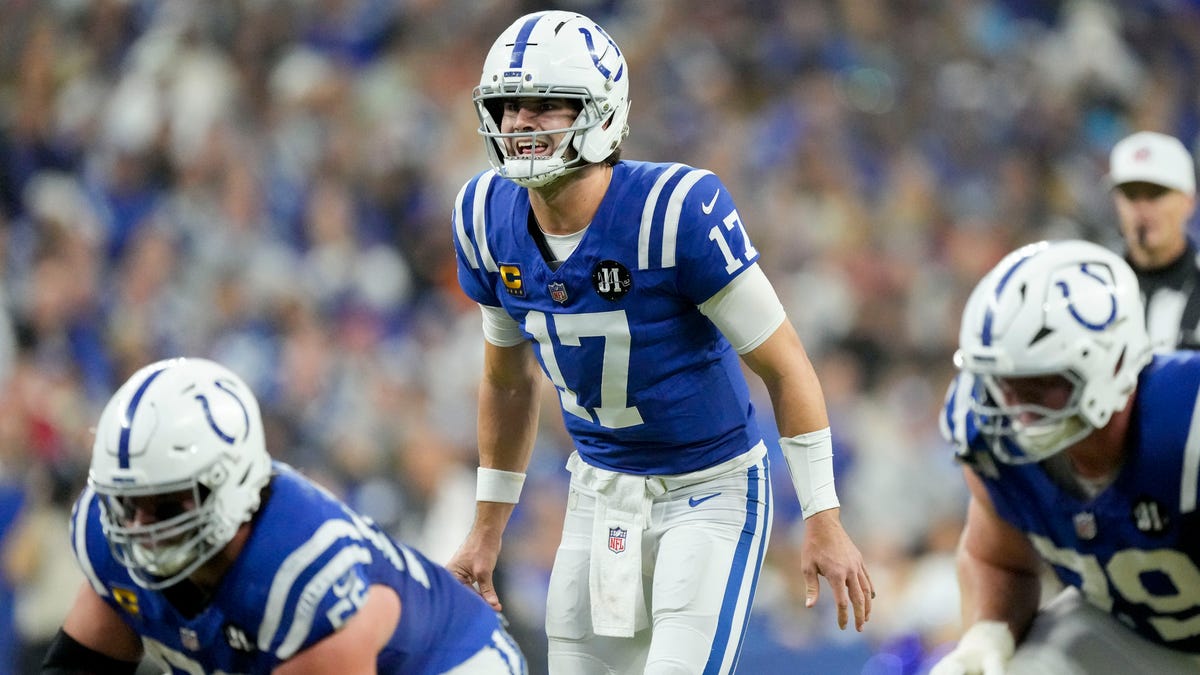
The financial commitment highlights intense pressure on Ballard and HC Shane Steichen to deliver immediate postseason efficacy. The operational priorities are defined by retaining QB Daniel Jones and WR Alec Pierce while aggressively targeting defensive reinforcements.
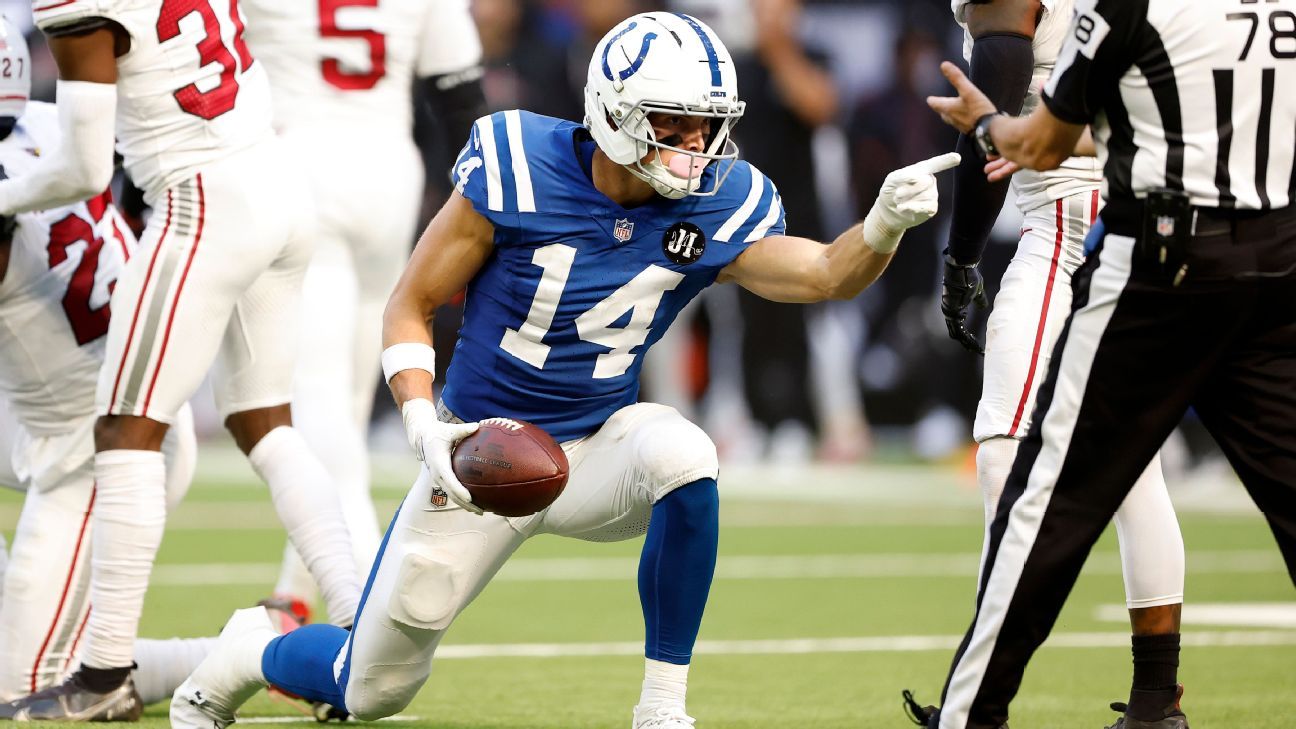
The four-year, $116 million contract for Alec Pierce ($29M AAV) immediately elevates his status as the primary receiving asset, a move executed just prior to the trade of established WR Michael Pittman Jr. to the Steelers. This sequence structurally mandates an expansion of Pierce’s route tree diversity to justify the elite compensation tier.
Financial Velocity and Contract Strategy
The combined AAV for Pierce and DE Arden Key ($18.5M average) leads early free agent signings, indicating a strategy to front-load contracts for preferred assets before potential market inflation. This aggressive front-loading, however, tightens future salary cap flexibility, increasing the performance demands on this initial acquisition wave.
Structural Erosion: Defensive and Offensive Line Continuity Lost
The roster architecture experienced significant volatility with key defensive departures. The loss of former first-round pick DE Kwity Paye (30.5 career sacks) to the Raiders erodes the foundational pass rush. Simultaneously, RT Braden Smith’s exit to the Texans and DT Neville Gallimore’s signing by the Bears represent substantial losses in trench continuity and veteran reliability.
Internal Succession Calculus and Risk Assessment
The organization is banking on internal succession to mitigate the loss of Smith, signaling confidence in 2025 fourth-round OT Jalen Travis to assume the critical right tackle role. Travis’s measured performance in limited 2025 action (PFF grade of 74.2 over 165 pass-blocking snaps) provides a baseline, but transitioning a hybrid lineman into a full-time, high-leverage RT starter introduces significant operational risk.
Further tactical reshuffling occurred via the trade of LB Zaire Franklin to the Packers for DT Colby Wooden. This exchange suggests a front-office prioritization of reinforcing the interior defensive line depth over retaining Franklin’s established linebacker production profile.
Operational Constraints and Competitive Feedback Loops
The status as the sixth-highest spender creates zero margin for error in talent valuation; immediate, high-leverage execution is mandatory. The departure of Smith (105 career starts) not only removes foundational protection but also strategically exposes the team by moving a reliable veteran to the divisional rival Texans.
Draft Imperatives Post-Free Agency
With substantial capital deployed, the 2026 NFL Draft (beginning April 23rd) is crucial for securing cost-controlled depth, particularly at positions where internal succession remains unproven. The explicit reliance on Travis suggests the draft board may pivot towards securing elite talent elsewhere rather than strictly addressing the offensive line replacement depth.
The success of this overhaul hinges on successfully integrating high-cost free agents while developing cost-effective replacements for established contributors. The institutional success metric remains playoff contention, as incremental improvement will be deemed insufficient following the protracted drought.