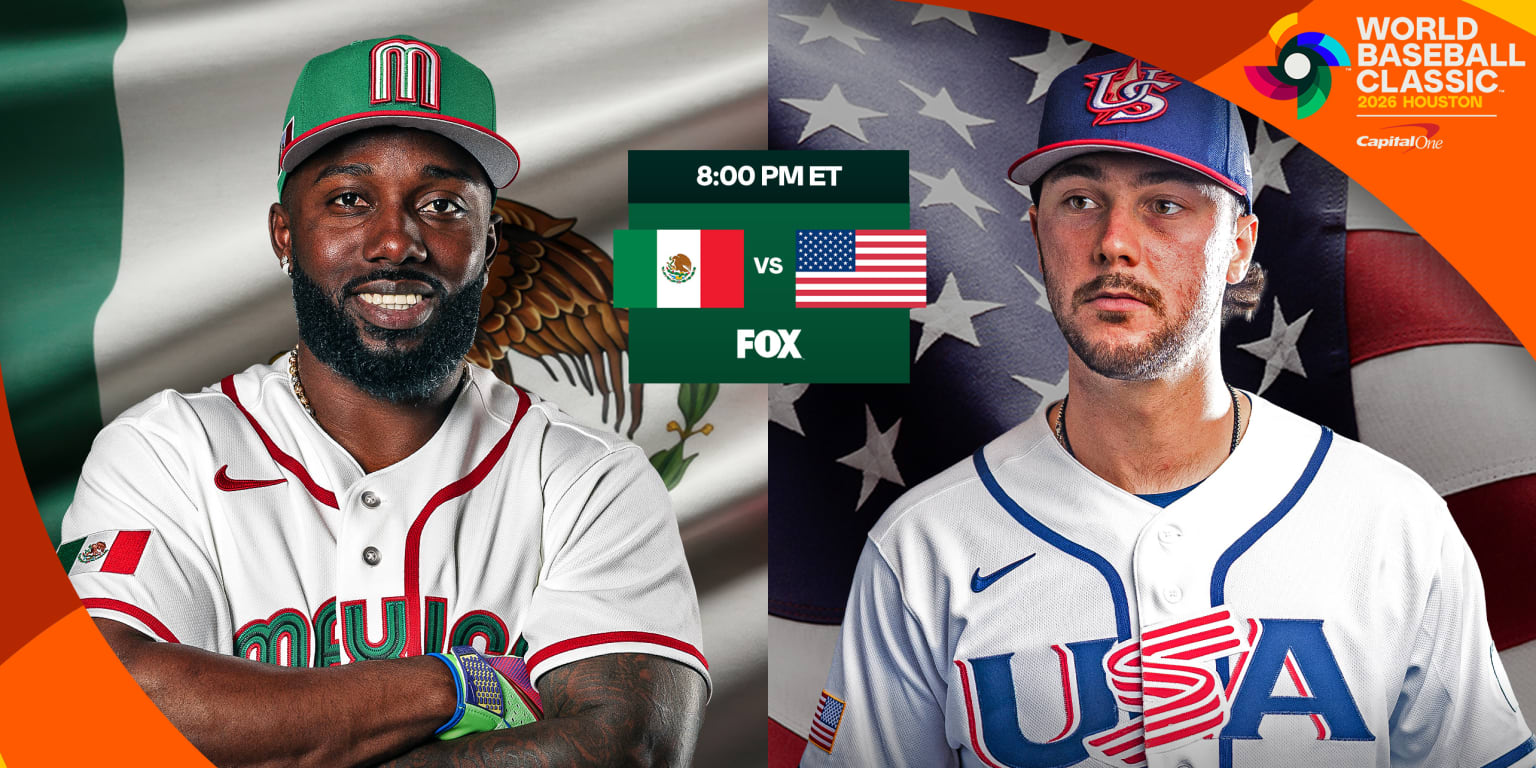
The World Baseball Classic (WBC) Group B fixture between the United States and Mexico in Houston represents a critical inflection point, pitting two undefeated teams against each other with significant historical context informing the matchup’s high competitive value.
Strategic Stratification and Seeding Imperatives in Group B
Both nations arrive at this contest having secured two wins, making this effectively a de facto group final determining immediate trajectory toward the knockout rounds. The organizational weight assigned to these hubs, evidenced by premier sponsorship placements, concentrates high-stakes contests here to maximize commercial activation.
For Mexico, victory secures top seeding potential, leveraging the psychological advantage derived from past WBC successes against their northern rival. Conversely, the US roster, heavily featuring MLB talent (Judge, Schwarber), operates under the operational pressure to validate favoritism against a historically resilient Mexican squad, a dynamic manager Mark DeRosa has explicitly acknowledged.
Elite Pitching Deployment: A High-Leverage Early Investment
The announced starting pitching matchup signals an aggressive strategy to deploy elite assets early to secure the head-to-head tiebreaker. The US assignment of Paul Skenes, fresh off consecutive Rookie of the Year and Cy Young awards, is a significant early investment of top-tier pitching capital, intended to establish immediate dominance and preserve subsequent bullpen depth.
Mexico counters with Manny Barreda, a seasoned starter in domestic leagues, framing the contest as a strategic balancing act: maximizing efficiency against overwhelming MLB pedigree. The performance leverage rests on Barreda managing the potent US lineup through the middle innings to mitigate strain on the Mexican bullpen for the remainder of the group stage.
Historical Precedent and Competitive Psychology
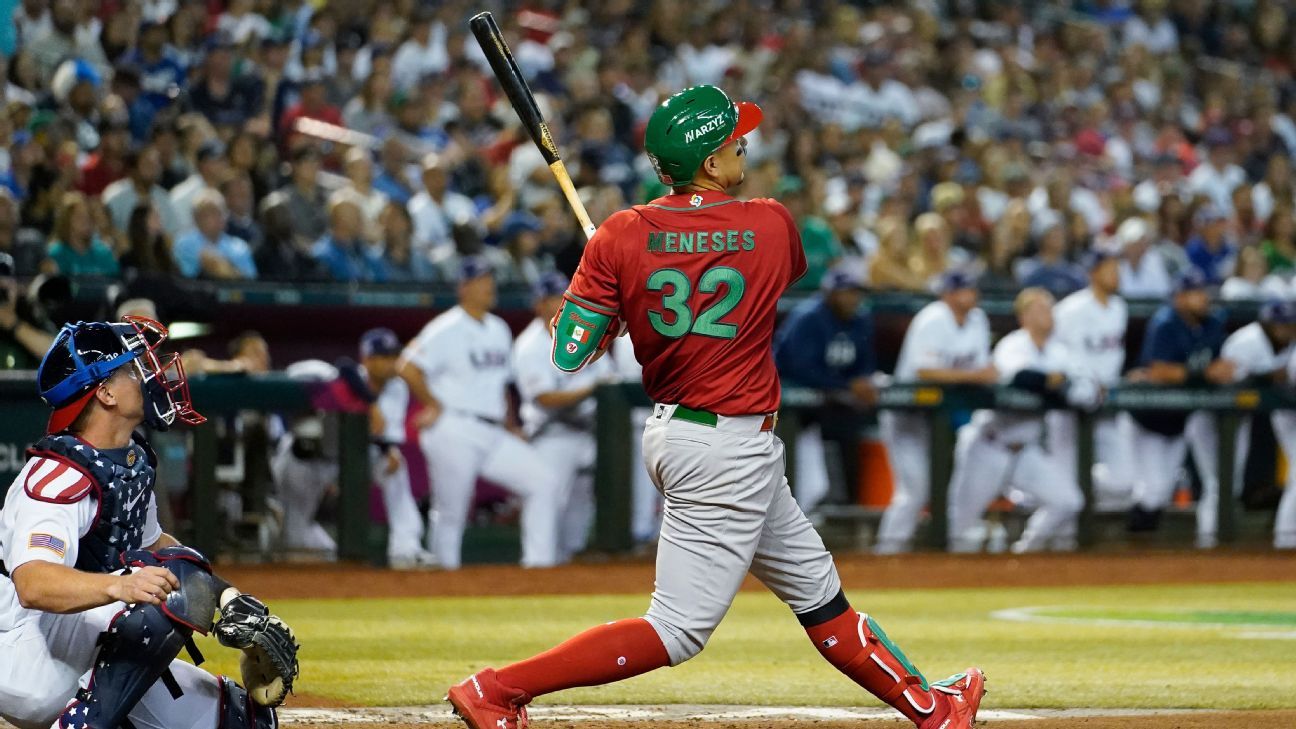
The history of WBC matchups reveals a pattern where Mexico outperforms pre-tournament expectations against the US, creating a persistent competitive narrative overriding current roster valuations. The 2006 edition’s narrow 2-1 Mexican victory serves as a tangible anchor for their belief structure, suggesting historical data can offset perceived talent disparities in single-elimination style group games.
Manager DeRosa’s explicit reference to past struggles is a calculated move to manage internal complacency among a roster laden with individual accolades, demanding focus on competitive execution over inherent superiority. This establishes an asymmetrical incentive: the US must overcome historical underperformance bias, while Mexico reinforces a proven competitive blueprint.
Operational Efficiency vs. Tiebreaker Margin
The path to undefeated status shows contrasting operational efficiencies. Mexico’s decisive 16-0 mercy rule victory over Brazil demonstrates superior offensive run-rate generation and pitching conservation against lower-ranked opponents.
While parity exists in baseline wins over Great Britain and Brazil, Mexico’s superior run differential achievement is operationally more significant for tiebreaker scenarios. Relying on high-scoring outcomes optimizes player workloads and rest cycles leading into this pivotal US contest, offering a potential marginal advantage in immediate readiness.
Stakeholder Valuation and Market Dynamics
This anticipated group stage fixture translates directly into heightened media valuation and sponsor fulfillment. The tiered valuation of matchups, indicated by premium sponsors like Discover and Capital One across Group B, places the US-Mexico contest at the apex of commercial activation.
For the professional baseball ecosystem, these games are crucial testing grounds for player marketability and international brand resonance, impacting off-season contract leverage for stars like Randy Arozarena and Alejandro Kirk. The outcome immediately influences the narrative trajectory: either validating US roster depth or amplifying Mexican resilience, directly impacting fan engagement metrics across North America.
Capital Commitment and Talent Pipeline Assessment
The US roster reflects a significant MLB capital commitment to showcasing organizational assets globally. The performance of Judge, Skenes, and Schwarber in this intense environment provides real-time data for future contract negotiations and team valuation models, particularly regarding durability under non-standard pressure.
Conversely, Mexican team success, often relying on talent outside the immediate MLB spotlight, elevates the market value of international talent pipelines, influencing cross-border scouting priorities. Success in the WBC directly correlates with increased funding opportunities for national federations, making this game a determinant of long-term programmatic investment.
Post-Group Stage Trajectory and Bracket Management
The primary consequence of this fixture is determining the Group B winner, dictating seeding for bracket play and influencing the path to avoid higher-ranked opponents prematurely. A US victory solidifies top-seed contention, allowing for strategic resource management later.
A Mexican victory introduces significant volatility, potentially forcing the US into a more challenging bracket path. The intensity of the contest, driven by undefeated status and history, necessitates high utilization rates, demanding immediate, high-level recovery protocols for the subsequent phase.
Managerial Calculus: Aggression vs. Preservation
Managerial decisions on pitch counts establish precedents for resource allocation. DeRosa’s willingness to deploy an ace like Skenes suggests prioritizing immediate group leadership over marginal preservation against a known threat. This aggressive posture prioritizes securing the most favorable bracket position early, accepting short-term wear on premium assets.
The Mexican coaching staff focuses on maximizing the impact of their high-leverage arms against the US core, understanding that a strong performance validates their entire tournament strategy, regardless of the final scoreline.
Institutional Narrative Control and Competitive Mythology
Media coverage around this matchup is actively shaping the institutional narrative of the WBC as a legitimate, high-stakes international competition. References to 2006 build historical gravitas, essential for sustaining long-term interest and justifying operational expenditures.
The tension between the established power (US) and the resilient challenger (Mexico) acts as a potent editorial device, driving viewership that directly impacts future WBC cycle viability. The delivery of a high-quality contest, irrespective of the victor, is crucial for the WBC’s institutional goal of solidifying its position as the premier global baseball tournament.
The Disproportionate Weight of the Upset
The potential for a Mexican upset carries disproportionate narrative weight compared to a US victory, given structural expectations. An upset would trigger widespread analysis regarding the efficacy of the US development pipeline versus the sustained cultural commitment evident in the Mexican program, shifting focus from salaries to systemic strength.
This asymmetry grants Mexico greater strategic flexibility due to lower initial expectation thresholds. Pressure rests heavily on the US to conform to projections, making deviations subject to intense strategic review. The razor-thin margins defining these contests—where a single defensive execution can rewrite the landscape—underscores the need for flawless operational execution from the first pitch, as both teams have moved past acclimatization phases.