Institutional Scrutiny Follows Deadly Heartland Tornado Outbreak
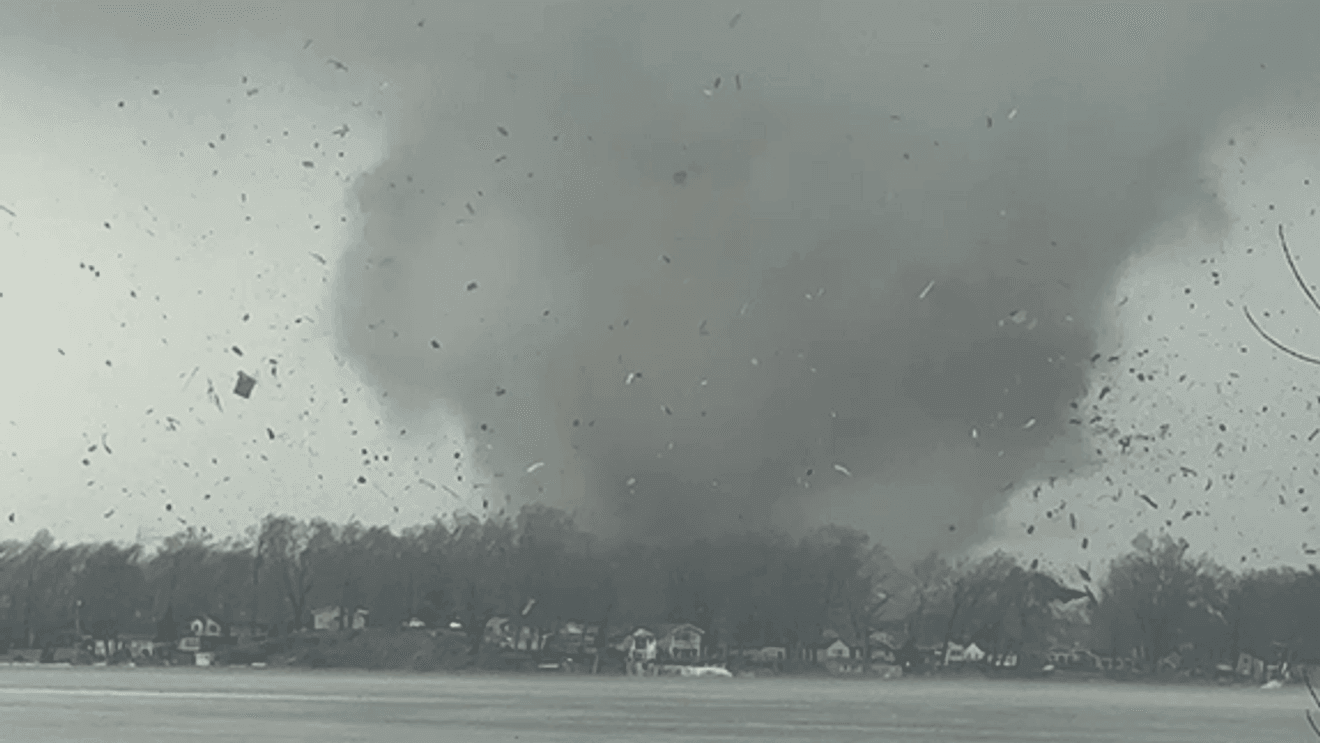
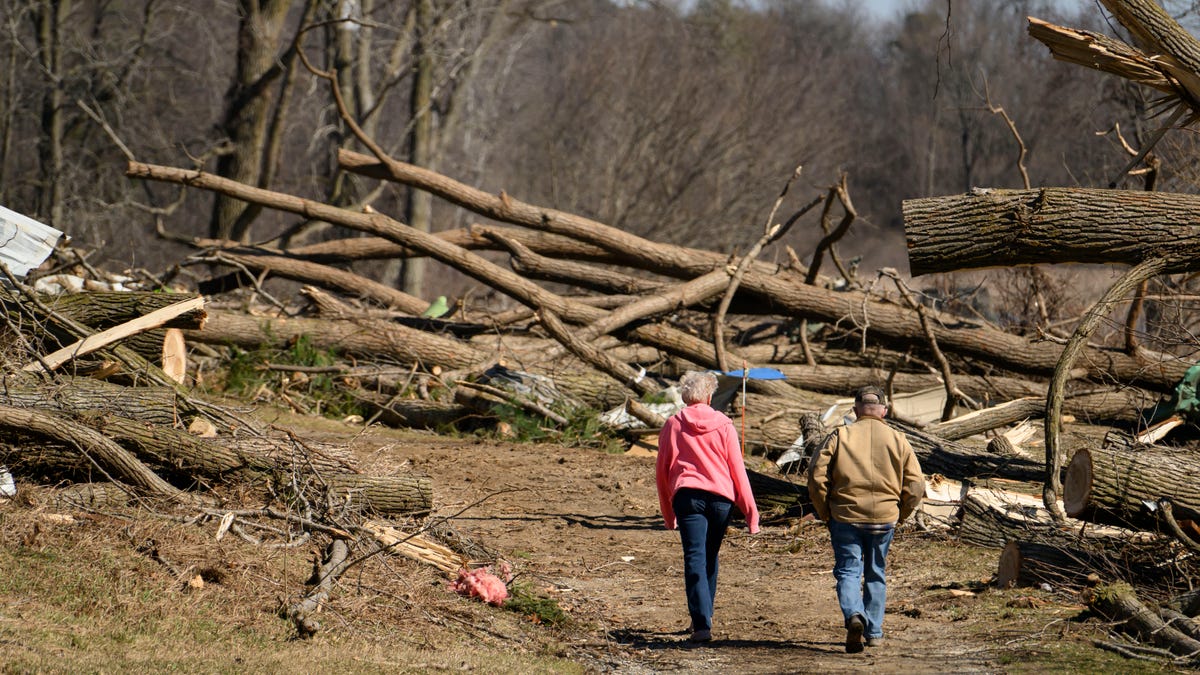
A multi-day severe weather outbreak across the Heartland resulted in widespread devastation and at least eight fatalities, prompting a state of emergency declaration in Michigan. In response, Michigan Governor Gretchen Whitmer’s office has initiated a high-level political inquiry into the operational effectiveness of federal weather forecasting agencies. The storm system, which spanned over 1,500 miles, impacted over 90 million people, leaving a trail of splintered homes and shattered communities.
The devastation in Michigan, where four tornadoes touched down, resulted in at least one confirmed fatality, identified as 12-year-old Silas Anderson in Cass County. The severity of the event, coupled with the loss of life, has shifted focus from the natural disaster itself to the institutional response and preparedness protocols, particularly regarding the National Weather Service (NWS) and its warning systems.
The Operational Breakdown: Watch vs. Warning Failure Analysis
The core issue under investigation centers on the distinction between a tornado watch and a tornado warning, and the NWS’s failure to issue the former. A tornado watch signifies that conditions are favorable for tornado development in a specific area over several hours. It serves as a critical preparatory alert, enabling local emergency managers to activate response plans and providing communities with essential lead time to secure shelters and property. A tornado warning, conversely, is issued when a tornado has been sighted or indicated by radar, requiring immediate action.
The absence of a tornado watch in advance of the deadly outbreak suggests a significant breakdown in the NWS’s predictive modeling and risk assessment processes. This failure prevented local authorities from initiating pre-emptive measures, directly compromising communities’ ability to mitigate risk. The lapse forced a reactive response rather than a proactive one, potentially increasing both the human and financial costs of the disaster.
Political Accountability and Resource Allocation Dynamics
Michigan Governor Gretchen Whitmer’s office has formally requested a federal investigation into the NWS’s operational lapse. The request explicitly links the failure to issue a tornado watch to potential funding cutbacks during the previous administration. This move immediately elevates the incident from a localized disaster response issue to a political debate over federal resource allocation and institutional accountability. The statement from Whitmer’s spokeswoman, Stacey LaRouche, directly questions whether the failure was a consequence of past budgetary decisions.
This strategic political maneuver shifts the focus of accountability from state-level preparedness to federal infrastructure funding. By linking the outcome to specific budgetary actions, the state government places pressure on current federal authorities to address potential deficiencies in the NWS’s operational capacity. The implication is that a lack of resources—for technology upgrades, staffing, or training—directly compromises public safety and increases systemic risk during severe weather events.
Systemic Vulnerability and Reputational Risk
The NWS, an agency within the National Oceanic and Atmospheric Administration (NOAA), faces significant reputational risk as a result of the probe request. Its core mission relies on public trust in its forecasting accuracy and timely communication. A perceived failure in the warning system erodes this trust, potentially leading to lower public compliance rates with future warnings. This creates a dangerous feedback loop where institutional failure reduces public safety, further increasing risk exposure during subsequent events.
The incident highlights broader systemic vulnerabilities in critical infrastructure and disaster preparedness. The NWS relies on a complex network of radar systems, supercomputing resources, and expert meteorologists to generate accurate forecasts. Allegations of funding cuts suggest potential deficiencies in maintaining or upgrading this infrastructure. The increasing frequency and intensity of severe weather events place greater demands on these systems, making resource allocation decisions increasingly critical.
Financial and Economic Consequences
The declaration of a state of emergency triggers specific mechanisms for federal disaster aid, including potential funding from the Federal Emergency Management Agency (FEMA). However, the financial implications extend beyond immediate recovery aid. The widespread damage in Cass, St. Joseph, Branch, and Calhoun counties suggests significant insurance claims. The lack of a pre-event watch may complicate insurance claims processes, potentially raising questions about liability and negligence for insurers.
For the insurance industry, the incident highlights the financial leverage associated with accurate weather forecasting. The ability to issue timely warnings allows insurers to advise policyholders on pre-emptive measures, potentially mitigating losses. The failure to issue a watch increases the financial exposure for insurers, as the damage incurred may be greater than anticipated. This event serves as a case study for evaluating risk models and adjusting premiums in areas prone to severe weather, particularly where forecasting reliability is under scrutiny.
Media Framing and Long-Term Policy Implications
The media’s coverage of the event has shifted from focusing on the natural disaster to analyzing institutional failure and political accountability. The narrative surrounding the probe request frames the incident as a failure of government oversight and resource management, rather than an unavoidable natural event. This framing can significantly impact public perception of government effectiveness and increase pressure on policymakers to address systemic issues. The political nature of the probe request adds complexity to the public discourse, potentially entangling long-term solutions with partisan rivalries.
The investigation into the NWS’s warning failure will likely have long-term implications for disaster preparedness policy. The incident serves as a stark reminder of the critical role of early warning systems in mitigating human and economic losses. The findings of the probe could lead to changes in NWS protocols, increased funding allocations for specific technologies, or new legislation mandating minimum staffing levels for critical forecasting functions. The event underscores the need for continuous investment in scientific infrastructure to ensure public safety in a changing climate environment.