Strategic Asset Preservation and Risk Management
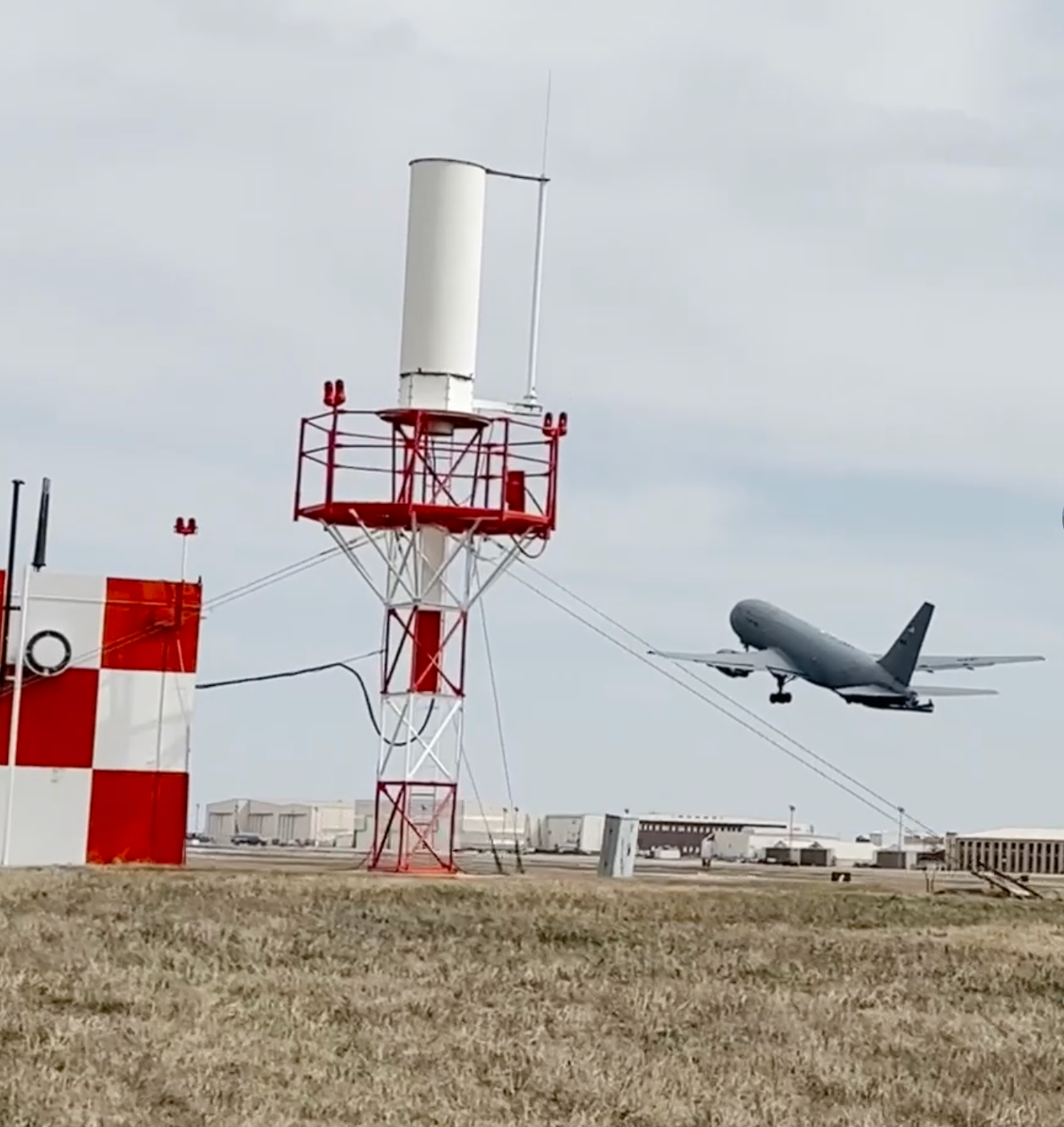
The command at McConnell Air Force Base has initiated a mass relocation of its aerial refueling fleet, a move that reflects a sophisticated risk management strategy within the Department of the Air Force. By dispersing the KC-46A Pegasus and KC-135R Stratotanker fleets ahead of forecasted severe weather, leadership is prioritizing the preservation of high-value capital assets over localized operational continuity. This calculated strategic withdrawal ensures that critical platforms remain available for immediate global tasking, effectively decoupling the Air Force’s power projection capabilities from the meteorological volatility of the Wichita region.
Total Force Integration and Operational Discipline
The logistical complexity of dispersing the 22nd and 931st Air Refueling Wings to diverse military installations highlights the high state of operational discipline within the Total Force. This synchronized movement between active-duty and reserve components validates the seamless integration necessary for time-sensitive contingencies. The KC-46A represents a multi-billion dollar national security investment; exposure to large-diameter hail or tornadic activity poses an existential threat to its structural integrity and advanced sensor suites. Similarly, the KC-135R, while a legacy platform, remains the backbone of global refueling, and any significant loss would create capability gaps across multiple combatant commands.
Tactical Mitigation for Non-Mission-Capable Assets
A secondary tier of the base’s severe weather plan addresses aircraft currently undergoing maintenance. These non-mission-capable assets, along with essential ground support equipment, have been secured in hardened hangars. This approach acknowledges the finite nature of protective infrastructure and prioritizes the most vulnerable components of the base’s operational ecosystem. By sheltering the mechanical and electronic systems required to service the fleet, the installation ensures a rapid return to full operational status once the immediate threat passes, minimizing downstream effects on long-range transport and surveillance missions.
Meteorological Thresholds and Institutional Resilience
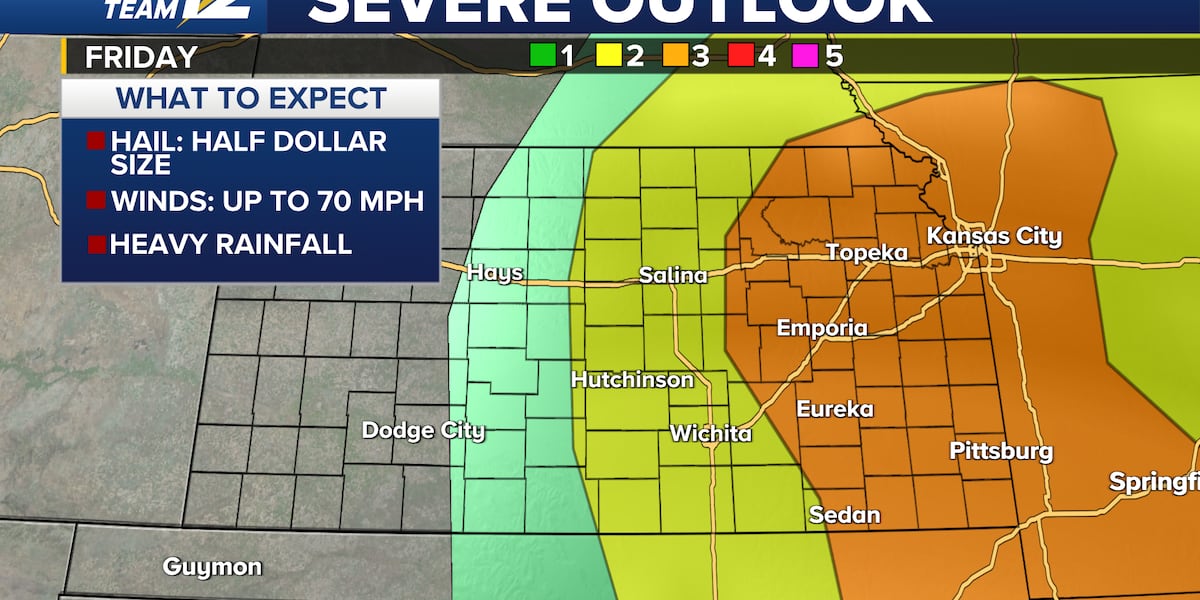
In military aviation, the threshold for evacuation is significantly lower than in civil sectors due to the strategic nature of the assets. The forecast of severe winds and hail serves as a primary catalyst for this shift, as even minor hail damage necessitates specialized non-destructive inspection (NDI) that can sideline aircraft for months. This multi-day displacement exercise serves as a practical demonstration of institutional resilience, signaling to both local communities and adversaries that US Air Force readiness is not tethered to a single geographic location. The successful execution of this dispersal underscores the Air Mobility Command’s doctrine of dynamic basing in response to non-kinetic threats.