Strategic Convergence at Riviera Country Club
The 2026 Genesis Invitational has transitioned into a high-leverage competition at the midpoint, with Marco Penge and Jacob Bridgeman establishing a narrow lead at 12 under par. Penge’s performance is defined by operational endurance; after weather volatility forced a 27-hole Friday, he successfully transitioned from his first-round obligations to a second-round 64. This momentum places him at the vanguard of the PGA Tour’s sixth event of the season, a Signature Event characterized by elevated FedExCup point allocations and enhanced purses.
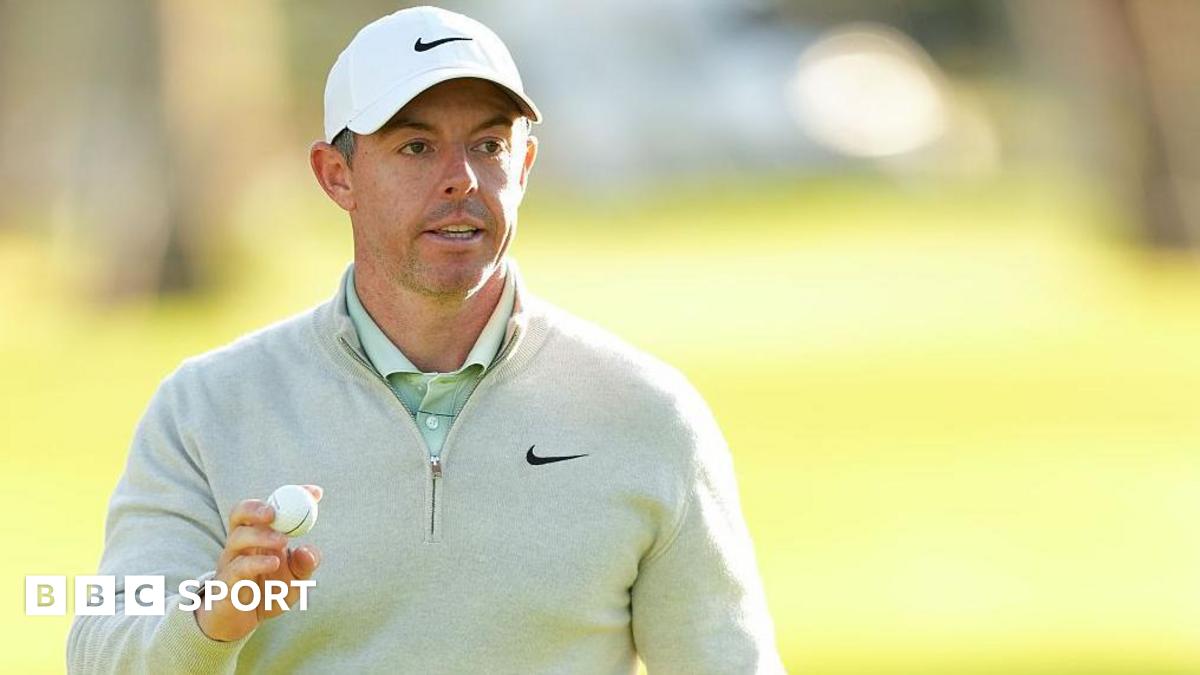
Rory McIlroy remains the primary institutional threat, positioned at 11 under par following a disciplined seven-under-par 65. McIlroy’s performance represents a significant tactical pivot from his previous outing at Pebble Beach. He noted that Riviera’s traditional architecture—specifically the absence of lateral hazards like the Pacific Ocean—permits a more aggressive off-the-tee strategy. This technical variance between West Coast Swing venues has allowed McIlroy to optimize his risk-mitigation metrics and exert immediate pressure on the less experienced leaders.
Operational Resilience and Environmental Variables
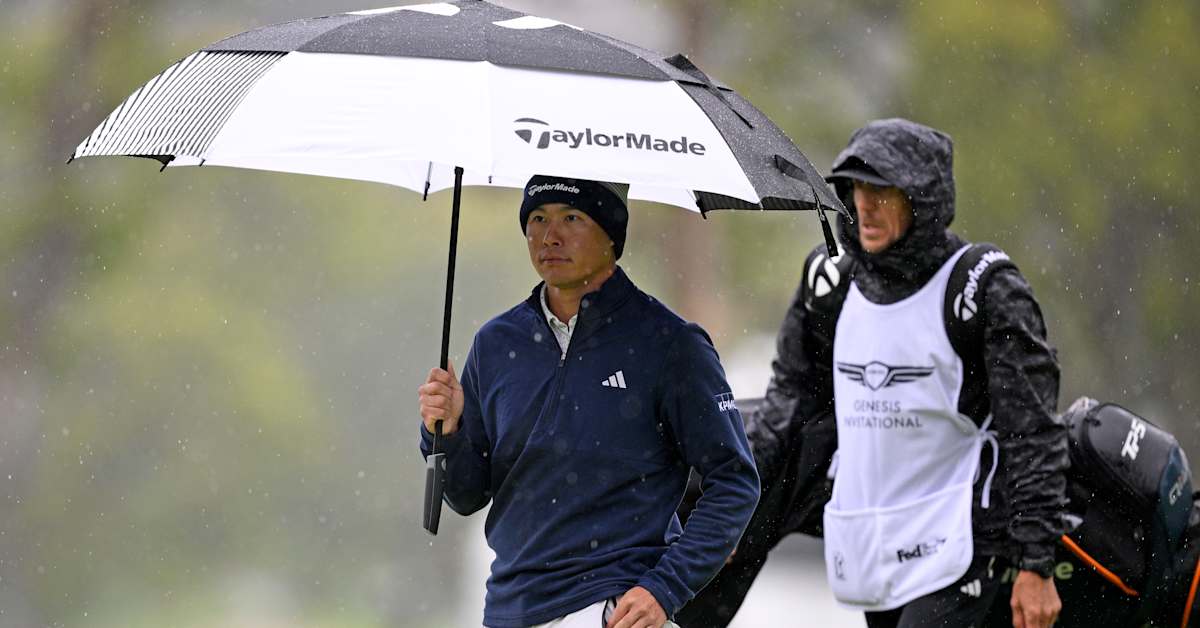
The tournament’s logistical framework was tested by a persistent weather system that delivered a half-inch of rain, triggering a three-hour suspension. Orlando Pope, Senior Director of TV Rules and Video Analyst, cited green saturation as the primary threat to competitive integrity. The subsequent deployment of high-intensity maintenance protocols was essential to prevent a multi-day backlog. Environmental factors, including temperatures in the low 40s and wind gusts reaching 34 mph, fundamentally altered ball flight physics and green speeds, rewarding players capable of rapid technical calibration.
The fragmentation of the schedule—resulting in 30 players finishing their rounds under suboptimal conditions—introduced a fatigue variable that separated the field. While Penge and Bridgeman maintained focus through multiple warm-up cycles, established champions like Adam Scott and Xander Schauffele remain within three strokes, emphasizing the razor-thin operational margin for error. The missed cut by veterans such as Justin Rose at three over par underscores the meritocratic volatility inherent in the Signature Event format.
Institutional Impact and the West Coast Swing Finale
As the conclusion of the West Coast Swing, the Genesis Invitational serves as a critical performance benchmark. The leaderboard’s composition, featuring international talent like Min Woo Lee and Tommy Fleetwood, aligns with the PGA Tour’s objective of showcasing global elite density. For players like Bridgeman, the strategic value of a high finish extends beyond the immediate purse; it secures essential eligibility for the remainder of the major championship season.
The intersection of elite sport and environmental management remains the defining narrative of the week. As Riviera dries and the greens firm up, the advantage will likely shift to players with superior spin control and trajectory management. With the FedExCup standings at stake, the final 36 holes represent a case study in competitive execution under extreme atmospheric and institutional pressure.