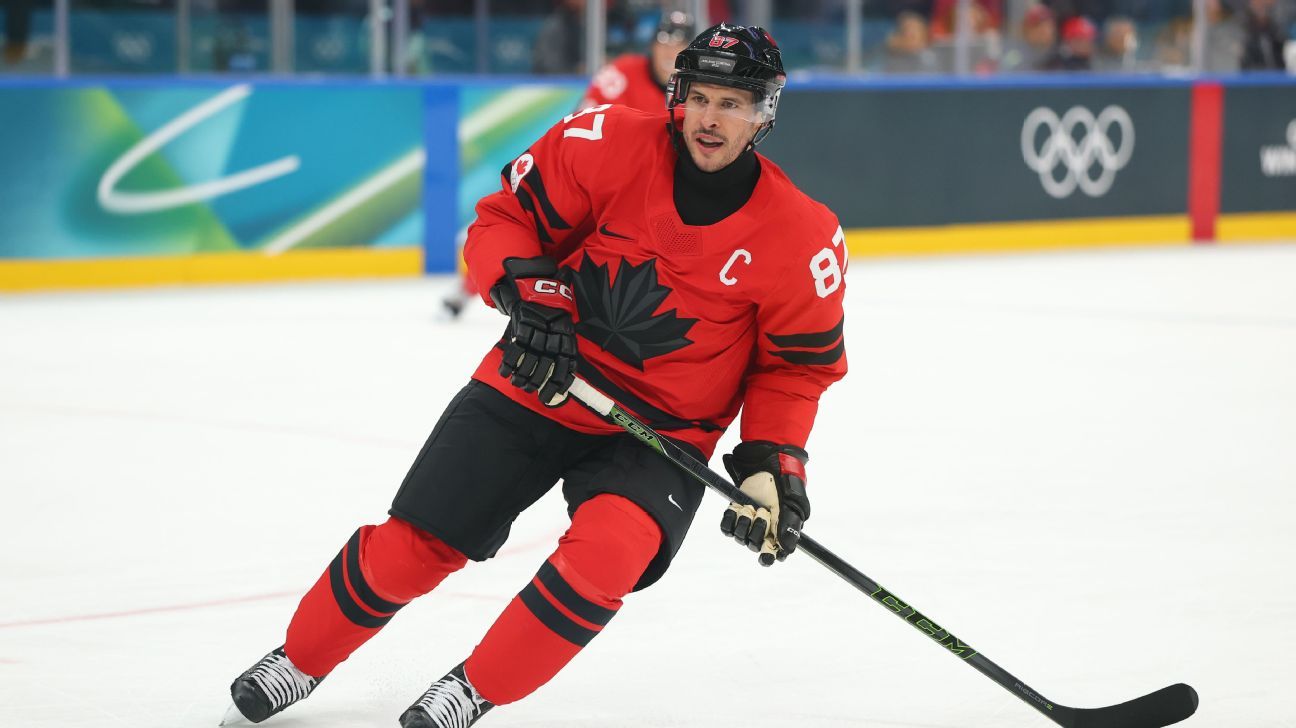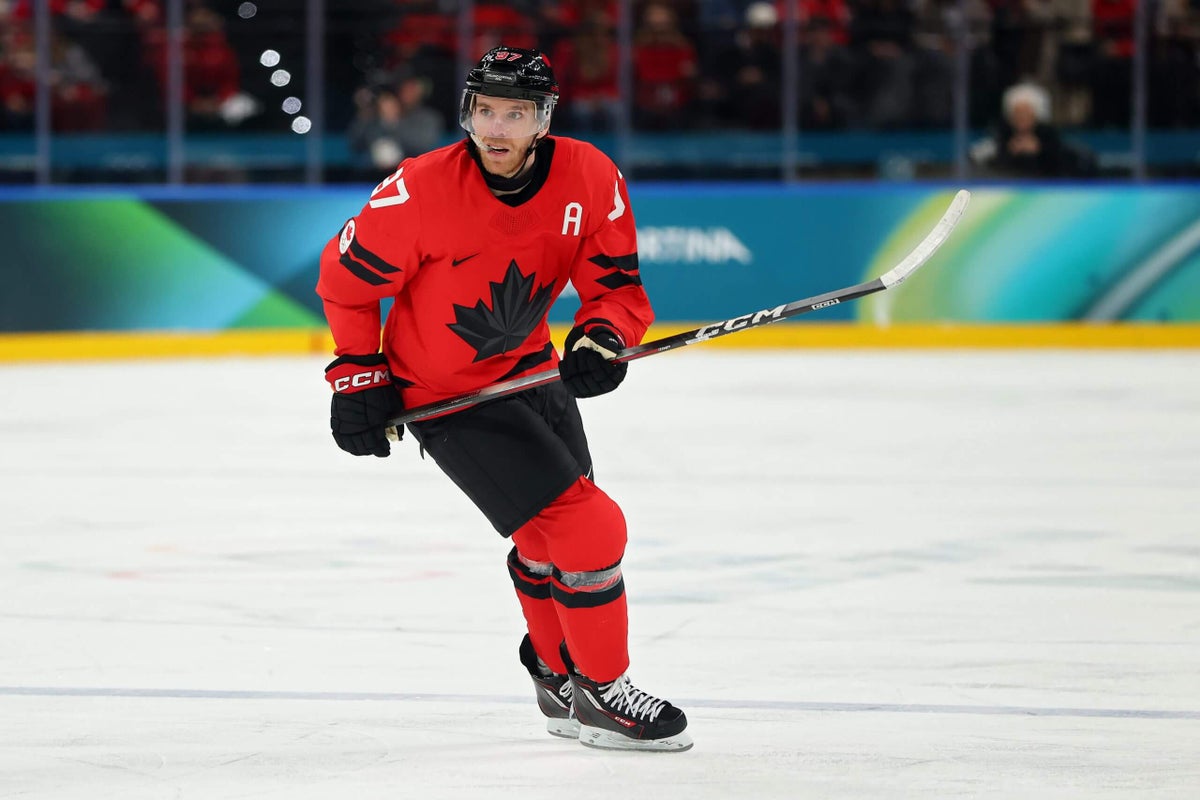
Crosby Injury Accelerates Strategic Leadership Transition for Team Canada
MILAN — The lower-body injury sustained by Sidney Crosby during Canada’s quarterfinal victory over Czechia has acted as a catalyst for an accelerated leadership transition within the national team. The injury, which occurred during the second period of Wednesday’s game, has sidelined Crosby for the semifinal match against Finland, forcing an immediate operational and strategic shift. This event formalizes the handover of leadership responsibility from one era-defining player to the next in the midst of a high-stakes competition.
While imaging results reportedly showed the injury was not a “worst-case scenario,” Crosby’s appearance in a walking boot at the team hotel underscores the severity of the situation. The medical assessment process, described by coach Jon Cooper as involving “the best of the best looking at him,” highlights the high-stakes risk management involved in evaluating high-value athletic assets during a short-term, high-intensity competition where competitive ambition must be balanced against player welfare and professional club interests.
Leadership Void and Generational Shift
The immediate consequence of Crosby’s absence is the procedural requirement to designate a new captain for the semifinal game, a responsibility that falls to Connor McDavid. This transition, while forced by circumstance, formalizes a generational narrative that has been developing in professional hockey for several years. McDavid’s designation accelerates the symbolic passing of the torch from Crosby, whose leadership is defined by established legacy and experience, to McDavid, whose leadership is defined by current dominance and performance leverage.
The strategic challenge for Team Canada extends beyond simply replacing Crosby’s production. The coaching staff must manage the psychological impact of losing a foundational leader while simultaneously adjusting tactical strategies. Crosby’s absence creates a void in a specific leadership profile—that of a battle-tested veteran known for clutch performances and two-way play. The team must now rely on McDavid’s dynamic, offense-first leadership to fill that gap, a significant change in on-ice command structure against a formidable opponent like Finland.
Risk Management and Stakeholder Dynamics
The decision-making process surrounding a high-profile injury during an international tournament involves significant institutional pressure from multiple stakeholders. The medical team must balance the athlete’s desire to compete in a high-stakes event with the long-term interests of the player’s professional club, which holds substantial financial investment in the asset. Coach Cooper’s statement that “We’re not going to put anyone in harm’s way” reflects this tension between national competitive goals and long-term asset protection.
Furthermore, the injury to Crosby, at 38, highlights broader questions about the long-term viability of high-intensity international competition for aging superstars. The incident underscores the physical toll of competing at the highest level and the inherent risks associated with short-format tournaments where recovery time is minimal. The decision to maintain Crosby’s status as “day-by-day” rather than ruling him out for the remainder of the tournament serves a dual strategic purpose: it preserves competitive uncertainty for opponents while managing internal team morale and public expectations.
The Strategic Significance of McDavid’s Ascent and Legacy
Connor McDavid’s designation as captain in this high-pressure environment is more than a procedural formality; it is a critical test of his leadership capabilities under duress. The media narrative surrounding the event, framing this moment as a definitive “passing of the torch,” solidifies McDavid’s position as the new face of Canadian hockey. This narrative shift impacts his brand value, future endorsement potential, and long-term legacy within the sport, regardless of the tournament’s final outcome.
McDavid’s leadership philosophy, as noted in his reflection that “Sid is just himself” and “everybody’s different in their own way,” suggests a recognition of the need for authentic leadership rather than imitation. This shift in perspective is crucial for the long-term health of the national program. It marks a departure from reliance on established veterans to building around the next generation of talent led by McDavid, providing a clear marker for future strategic planning.