NORAD Intercepts Russian Military Aircraft in Alaskan ADIZ: A Strategic Analysis
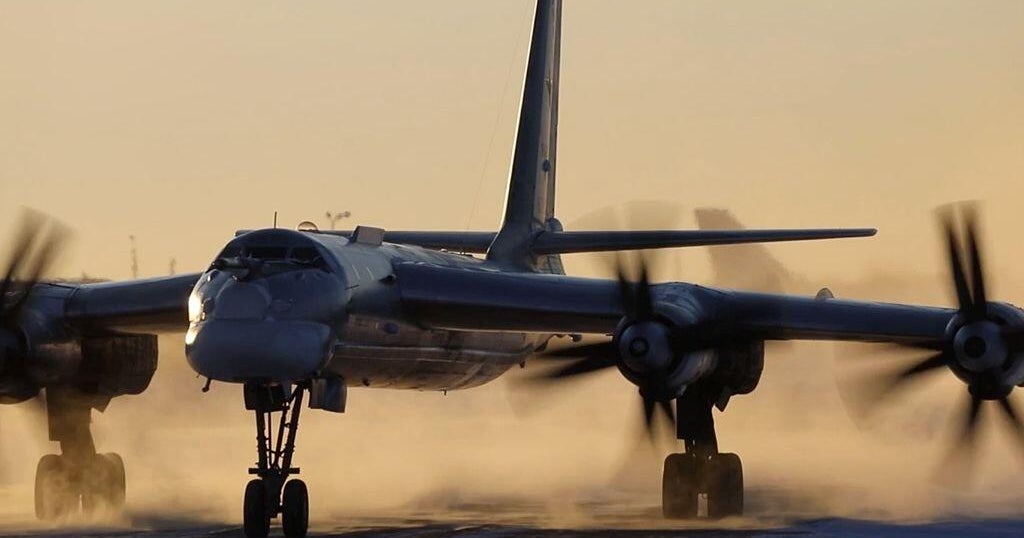
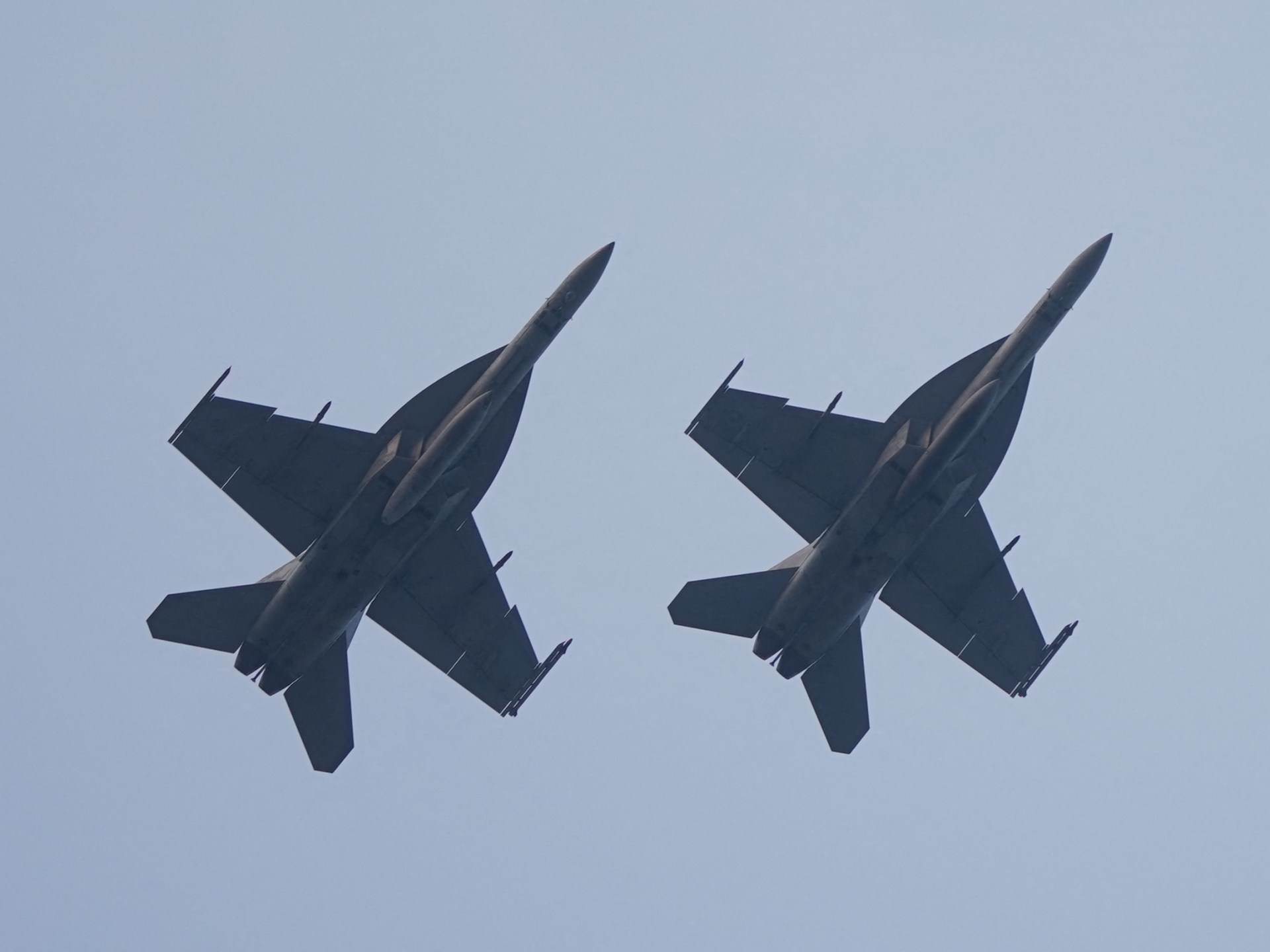
North American Aerospace Defense Command (NORAD) recently confirmed the interception of multiple Russian military aircraft operating within the Alaskan Air Defense Identification Zone (ADIZ). This routine, yet strategically significant, deployment involved U.S. F-16 and F-35 fighter jets, supported by KC-135 refueling tankers and an E-3 Sentry airborne early warning and control aircraft. The Russian formation comprised two Tu-95 bombers, two Su-35 fighters, and an A-50 spy plane.
The Russian aircraft remained in international airspace within the Alaskan ADIZ, never entering U.S. or Canadian sovereign territory. NORAD consistently characterizes such events as “regular occurrences” and “not a threat,” a framing consistent with previous intercepts, including those in September 2025 and last August. This established pattern underscores ongoing geopolitical dynamics and strategic signaling in the region.
Alaskan ADIZ: Operational Framework and Layered Response
The Alaskan ADIZ serves as a critical buffer, a designated international airspace zone where North American security mandates immediate identification of all aircraft. This framework enables NORAD to achieve early detection and comprehensive assessment of aerial activity approaching sovereign airspace, thereby affording crucial decision-making lead time.
NORAD’s response to such incursions is a multi-layered demonstration of capability. The deployment of advanced F-16 and F-35 fighter jets, supported by KC-135 refueling tankers for extended endurance and an E-3 Sentry for airborne command and control, highlights a sophisticated, coordinated air defense posture. This robust operational architecture ensures continuous vigilance and effective management of air traffic in this strategically vital region.
Strategic Nuances: Vigilance, Deterrence, and Geopolitical Signaling
NORAD’s consistent classification of these intercepts as “regular occurrences” and “not a threat” reflects a deliberate strategic communication strategy. While the physical act of scrambling fighter jets signifies acute vigilance, this official framing aims to de-escalate potential tensions and manage both domestic and international perceptions within a sensitive geopolitical environment. It underscores an established, albeit tense, understanding of operational boundaries between major powers.
These routine interactions are a tangible manifestation of ongoing, low-intensity strategic competition for domain awareness and influence across the Arctic and North Pacific. The sustained deployment of high-value military assets by both nations within the ADIZ transforms these zones into critical interfaces where national security interests are asserted, capabilities are demonstrated, and deterrent messages are conveyed without direct confrontation.
Resource Commitment: Cost of Vigilance and Readiness
The consistent deployment of advanced fighter aircraft and their support platforms for these interception missions represents a significant and ongoing allocation of military resources for the U.S. and Canadian defense establishments. This sustained commitment includes substantial costs for personnel, fuel, maintenance, and the continuous operational readiness required to respond rapidly.
This high operational tempo serves a dual purpose: it tangibly demonstrates military readiness and capability to potential adversaries, signaling a robust capacity for rapid response. Concurrently, it provides invaluable, real-world training and experience for aircrews and ground support personnel, refining their skills in complex interception scenarios. The financial investment into these routine operations is a direct, long-term consequence of maintaining a credible air defense posture in a strategically contested environment, independent of immediate threat assessments.
Reciprocal Intelligence: Surveillance and Counter-Surveillance
The inclusion of an A-50 Mainstay airborne early warning and control (AEW&C) aircraft within the Russian formation unmistakably signifies an intelligence-gathering objective. These specialized platforms are designed for long-range detection and tracking, enabling the monitoring of air traffic, ground forces, and adversary air defense systems, thereby collecting critical electronic intelligence.
Conversely, NORAD’s interception efforts provide a reciprocal opportunity for intelligence collection. U.S. forces meticulously gather data on Russian aircraft performance, flight profiles, operational patterns, and crew responses. This bilateral intelligence exchange is a vital component of ongoing strategic competition, yielding insights into capabilities, tactics, and technological advancements that inform future defense planning and investment.
This continuous interplay of surveillance and counter-surveillance within the ADIZ fosters a dynamic intelligence environment, where each interaction, even non-confrontational ones, yields valuable insights for both sides.
Geopolitical Signaling: Asserting Presence and Deterrence
The regularity of these Russian flights and subsequent NORAD interceptions constitutes a direct form of strategic communication between competing powers. Russia leverages these flights to signal its capacity to project air power into strategically significant international airspace, asserting its regional presence and challenging perceived spheres of influence, particularly in the Arctic.
In response, NORAD’s unwavering vigilance and consistent interception reinforce a clear deterrent message, demonstrating the robust capability and resolve to defend North American interests. This continuous cycle of action and reaction is crucial for maintaining a delicate strategic balance, preventing miscalculation, and reaffirming established international norms of airspace conduct.
Notably, the absence of an official statement from Russia’s Ministry of Defence following such incidents, contrasting with NORAD’s transparency, can itself be interpreted as a strategic maneuver. This tactic may serve to control the narrative, foster ambiguity regarding specific mission intent, or simply indicate the routine nature from their perspective.
Bi-National Strength: NORAD’s Integrated Air Defense
NORAD, a cornerstone bi-national organization of the United States and Canada, exemplifies profound institutional coordination in continental air defense. Its joint command structure facilitates the seamless integration of assets and personnel from both nations, ensuring a unified response to aerial activities within the ADIZ.
The routine nature of these intercepts actively strengthens the operational cohesion and interoperability between the U.S. and Canadian armed forces. Each incident refines joint protocols, enhances command and control procedures, and deepens shared situational awareness, thereby elevating the collective security posture.
This consistent operational collaboration not only safeguards shared northern approaches but also serves as a recurring, tangible affirmation of the enduring strategic alliance and mutual defense commitment between the two nations.
Historical Context: Enduring Patterns and ADIZ Evolution
The documented history of Russian military aircraft activity in the Alaskan ADIZ, evidenced by the recent incident and previous intercepts (e.g., September 2025, last August), establishes a clear, long-standing operational pattern rather than an isolated event. This continuity underpins NORAD’s assessment of these as “regular occurrences,” indicating management within established international protocols and expectations, reflecting a mature, though tense, framework for airspace management.
The very concept and evolution of Air Defense Identification Zones since their inception have been fundamentally driven by the imperative to balance national security interests with the principles of freedom of navigation in increasingly complex global airspace. These zones embody a pragmatic compromise, enabling early warning and identification without infringing on sovereign territory.
Stakeholder Dynamics: Reputation, Risk, and Public Perception
For NORAD and its allied nations, the primary stakes involve maintaining an unequivocally credible and consistent air defense posture. Any perceived lapse in vigilance or capability could severely undermine deterrence, erode public and allied confidence, and incur significant reputational and strategic consequences.
Conversely, Russia faces operational exposure through the substantial costs associated with these long-range, complex missions and the potential for international diplomatic friction, even when meticulously adhering to international airspace regulations. For Moscow, the strategic gains derived from these maneuvers must continuously justify the inherent risks and resource expenditure.
The media’s portrayal of these events, carefully balancing the urgency of “scrambled jets” with the reassurance of “not a threat,” plays a critical role in shaping public and international perceptions. This nuanced communication strategy is vital for informing stakeholders without inciting undue alarm, underscoring the delicate art of strategic messaging in a contested domain.
Arctic Frontier: Future Strategic Trajectories and Air Defense
Persistent activity within the Alaskan ADIZ unequivocally highlights the escalating strategic importance of the Arctic. As climate change continues to open new sea lanes and resource access, the military dimension of Arctic security intensifies, positioning air defense as an indispensable core component of national strategies.
These routine intercepts function as a critical barometer of ongoing geopolitical competition and military posturing within a region poised for profound international attention. The continuous demonstration of sophisticated air power and robust defense capabilities will remain paramount for asserting national interests and shaping regional influence.
Consequently, the sustained operational engagement within the ADIZ framework is set to profoundly influence future defense investments, technological advancements, and international cooperation strategies among Arctic nations. The established pattern of interactions serves as a crucial precedent for navigating the complex and evolving security challenges of this frontier.