The 2026 Winter Olympics have reached a critical inflection point for the United States curling program, revealing a stark divergence in the competitive trajectories of the national teams. While the women’s squad, led by skip Tabitha Peterson, has secured a historic first-ever semifinal berth, the men’s team under Danny Casper faces a precarious qualification path following high-leverage tactical failures. These outcomes underscore the narrow margins of error in elite ice management and the strategic weight of individual ends in a round-robin format.
Tactical Volatility and the Men’s Qualification Crisis
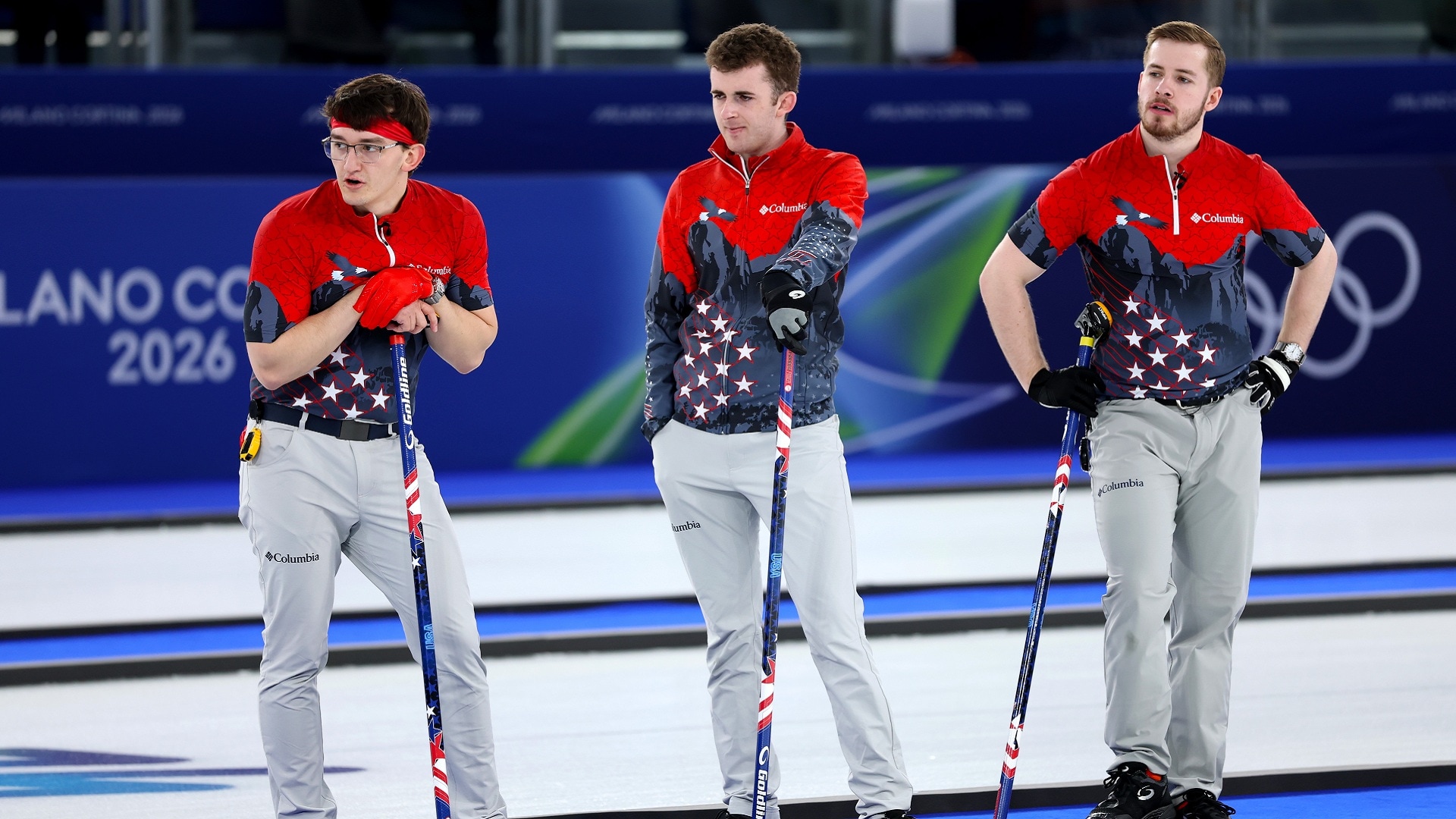
The U.S. men’s pursuit of the medal rounds suffered a significant setback during a defensive engagement against China. Entering the eighth end with the hammer, the Americans held a strategic advantage; however, a failure to execute a routine draw to the button resulted in a catastrophic three-point steal for China. This breakdown was not merely a delivery error but a collaborative failure in reading ice friction. Sweep units Aidan Oldenburg and Ben Richardson noted that while the delivery was sufficient, the sweeping intensity was miscalibrated, highlighting how minute discrepancies in surface assessment dictate international standings.
Despite Casper’s resilience in the ninth end—executing a high-difficulty takeout to score three—the structural damage of the eighth-end steal proved insurmountable. By surrendering the hammer for the tenth end, the U.S. lost tactical initiative, forcing a high-risk ‘steal-to-win’ scenario they could not manufacture. This loss, compounded by a previous defeat to Italy, leaves the men’s program with limited mathematical leverage as they navigate the remainder of the round-robin schedule.
Historic Breakthrough for the Women’s Program
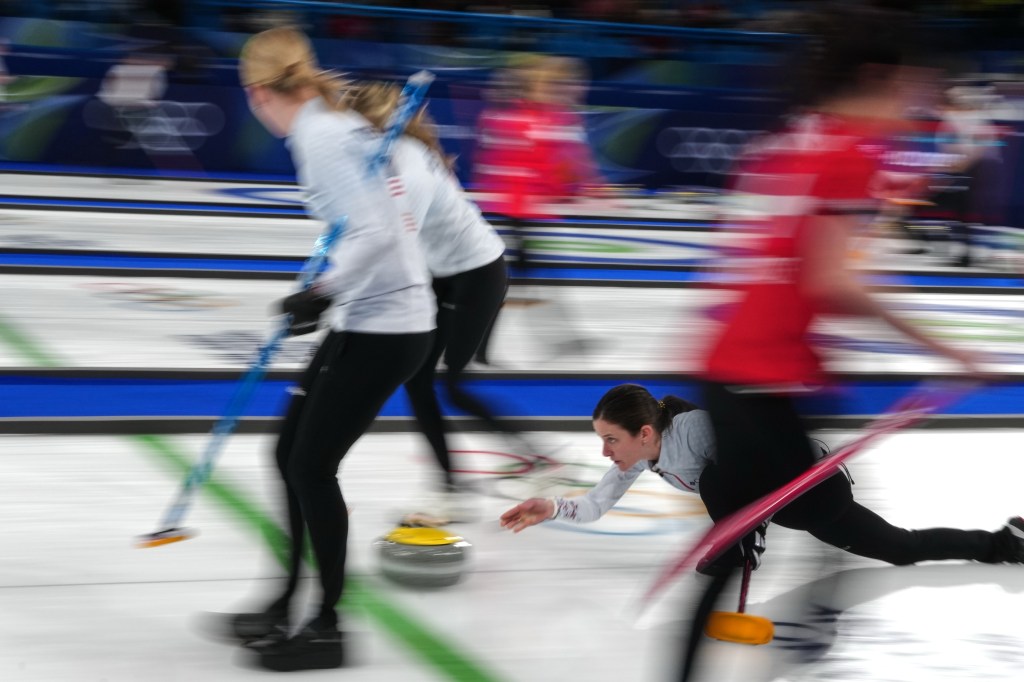
In contrast, the U.S. women’s team achieved a milestone by advancing to the Olympic semifinals for the first time in program history. Their 7-6 extra-end victory over Switzerland serves as a definitive marker of psychological maturity. After nearly surrendering a three-point lead in the tenth end, the team’s ability to reset demonstrates a level of composure essential for medal-round success. Peterson’s decisive shot—a precise curl around three Swiss stones to rest on the button—exhibited elite technical execution under maximum pressure.
A critical component of this success has been the performance of Taylor Anderson-Heide in the lead position. Responsible for the initial stone placement, her ability to establish favorable house geometry has allowed the back-end players to execute more aggressive maneuvers. This victory guarantees a medal opportunity and sets up a high-stakes semifinal rematch with Switzerland, where the tactical lessons of the round-robin will be tested.
Institutional and Competitive Implications
The success of the women’s team carries significant weight for the future of U.S. Curling, potentially impacting federal funding and domestic engagement. Reaching the semifinals provides a tangible return on investment and elevates the sport’s profile in non-traditional markets. Conversely, the men’s predicament raises questions regarding the sustainability of their tactical approach. The vulnerability to high-pressure ‘unforced errors’ suggests a need for reviewed training protocols in an era where international curling is increasingly defined by data-driven precision. The upcoming matches will determine if the women can convert this historic appearance into a podium finish and if the men can achieve mathematical survival.