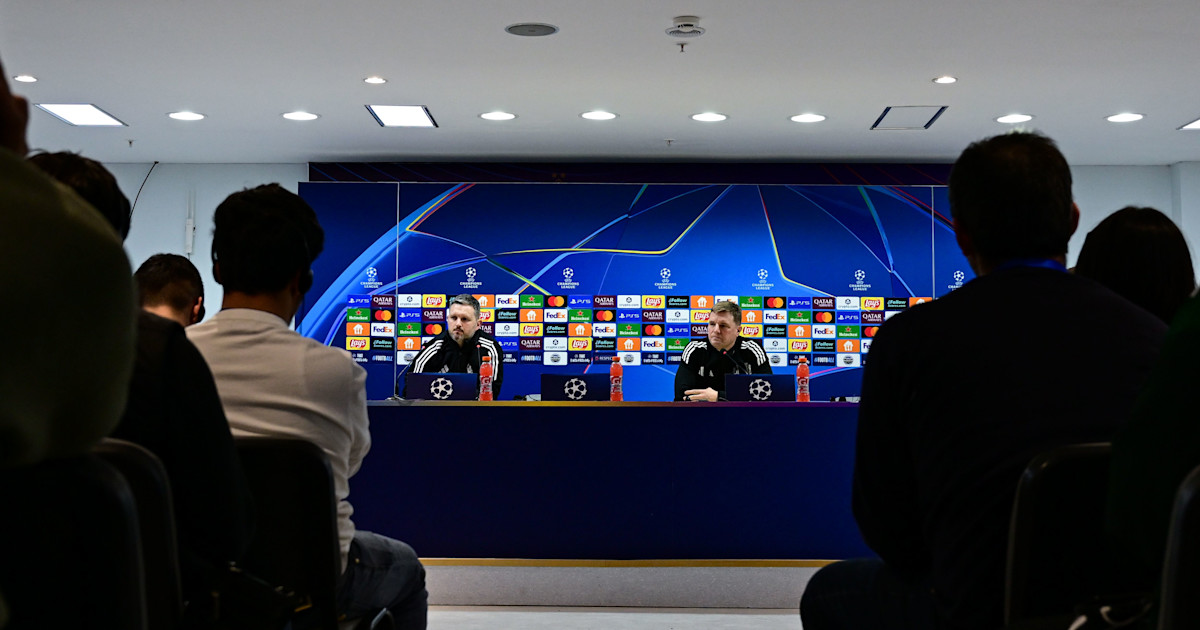
Logistical Anomaly: Newcastle’s Record Travel and Competitive Penalties
Newcastle United’s failure to secure direct qualification from the UCL league phase immediately translates into a severe logistical liability: a 5,061-mile round-trip to face Qarabag in Azerbaijan for the two-legged play-off. This itinerary sets a new benchmark for travel distance imposed upon an English club in European competition, surpassing previous extreme excursions.
Finishing outside the top eight mandates participation in this high-friction, mid-season knockout round, instantly overburdening an already compressed operational calendar. The failure to achieve automatic progression converts geographic lottery into maximum operational strain.
Analytical Depth: Competitive Trade-offs and Resource Allocation
The necessity of traveling to Baku exposes the structural flaw in the expanded tournament format for near-misses: performance metrics dictate travel intensity regardless of squad financial backing or depth. While Newcastle enjoyed geographically favorable league phase travel, the play-off mandates a radical pivot in resource allocation—prioritizing immediate recovery and complex travel management over focused tactical preparation for subsequent domestic fixtures.
Eddie Howe’s confirmation of fielding the ‘strongest possible side’ signifies a high-stakes operational calculus: short-term knockout progression is strategically prioritized, explicitly accepting the downstream fatigue consequences for domestic commitments. This decision magnifies the performance leverage on the available personnel.
Squad Vulnerability Under Duress
The physical toll of this transcontinental effort disproportionately affects squad depth, particularly with key figures such as Bruno Guimarães sidelined. The return of Joelinton is a critical stabilizing factor, mitigating the immediate impact of crucial absences, but the core rotational pool remains thin.
The strategic decision to ignore the forward schedule in preparation for Baku confirms that the short-term necessity of advancing supersedes long-term load management protocols. The cumulative strain suggests a narrower margin for error in upcoming league fixtures, increasing the probability of soft-tissue injuries among the fatigued core players.
Institutional Context and Structural Friction
The venue, the Tofiq Bahramov Republican Stadium, while a point of historical note in English football memory, functions purely as the unavoidable endpoint of this record-setting itinerary. The functional relevance is logistical, not historical.
Financial Implications of Extended Campaigns
Unbudgeted, geographically extreme fixtures like this impose direct, unforecasted operational expenditure across charter costs, specialized recovery protocols, and accommodation. For clubs balancing European participation with Premier League demands, such high variability in logistical friction penalizes marginal league failures (e.g., 12th place).
This dynamic creates a structural incentive for clubs to aggressively target top-tier finishes to eliminate the operational and financial uncertainty introduced by high-demand play-offs. The structural friction imposed here directly contrasts with the logistical advantages afforded to top-seeded qualifiers.
Cascading Effects on Domestic Performance Trajectory
The acceptance of potential domestic degradation following the demanding away leg compresses the recovery window, directly challenging the coaching staff’s ability to maintain performance parity domestically. The effectiveness of post-match recovery science and travel optimization becomes a crucial differentiator.
This entire sequence—league result anomaly leading to record travel—illustrates the performance cliff faced by teams just outside the automatic slots. Future squad building must explicitly model the statistical probability of absorbing such arduous travel demands when assessing the required quality threshold for rotational players, transforming travel resilience into a core competitive metric.
The 5,061-mile journey is quantifiable input variable into player availability projections. Rivals observing this operational compromise gain a competitive window in the domestic schedule, emphasizing the high leverage of Howe’s short-term strategy.