Strategic Calibration in the T20 World Cup Ecosystem
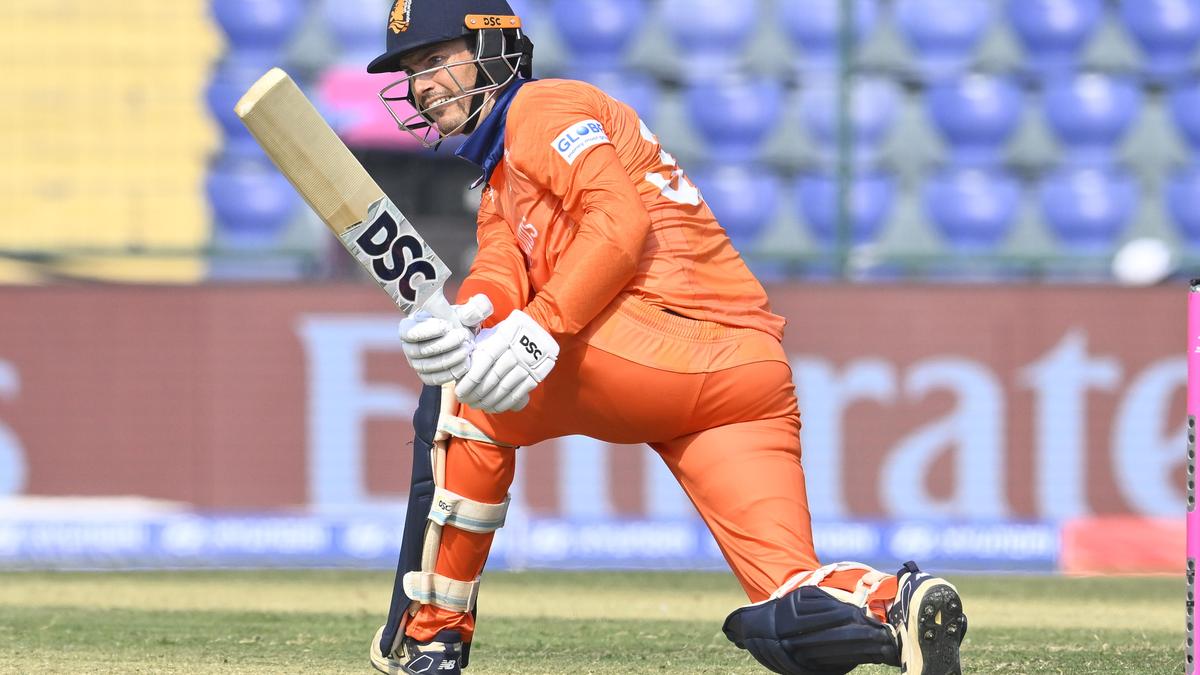
The T20 World Cup fixture between India and the Netherlands at the Ahmedabad stadium—the world’s largest cricket venue—represents a critical juncture for the defending champions. Beyond maintaining an undefeated streak, the match serves as an essential calibration of squad depth and Net Run Rate (NRR) optimization before the Super Eight phase. For the Indian technical staff, this encounter provides a high-stakes environment to finalize middle-order configurations and death-bowling execution, aligning tactical performance with the institutional mandates of the BCCI.
Conversely, the Netherlands approaches this fixture as a ‘proof of concept’ for Associate nation development. Currently positioned second in their group following a victory over Namibia, the Dutch side seeks to leverage this high-visibility platform to secure future bilateral series and commercial sponsorships. Captain Scott Edwards has emphasized a vision that transcends the immediate scoreboard, focusing on creating a sustainable niche for cricket within a football-dominated domestic market through professionalized coaching and grassroots investment.
Tennis Infrastructure and the Delhi Challenger Pipeline
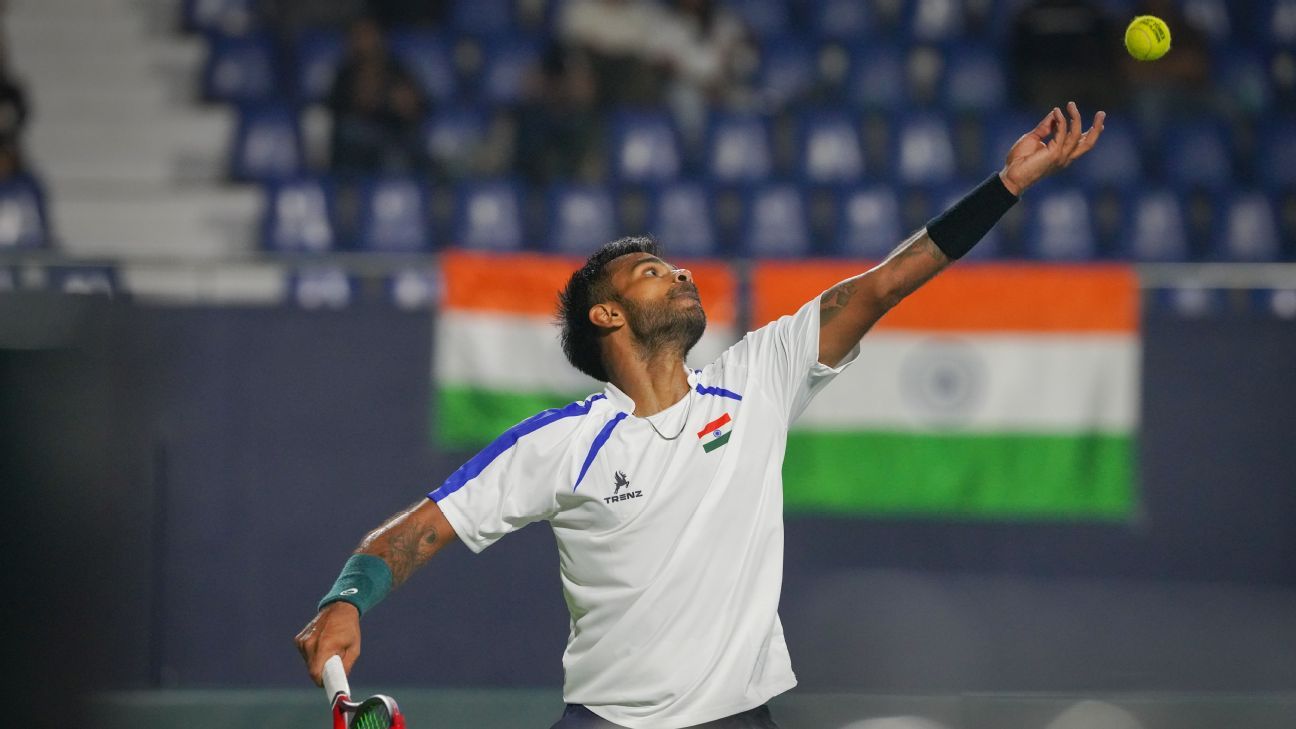
The Delhi Challenger remains a fundamental node in India’s tennis infrastructure, providing local athletes like Sumit Nagal with the ranking points necessary for ATP Tour transition. Nagal’s 6-3, 7-5 victory over D. Jorda Sanchis exemplifies the technical resilience required at this level. These tournaments are strategic assets for the All India Tennis Association (AITA), offering a cost-effective pathway for domestic talent to accumulate the competitive capital needed for Grand Slam qualifiers without the overhead of international travel.
Hockey India: Midfield Leadership and Load Management
The omission of Harmanpreet Singh from the Pro League squad for the Australian leg signals a calculated shift in Hockey India’s leadership philosophy. By appointing Hardik Singh as captain, the federation is transitioning toward a midfield-centric playmaking model while implementing a strategic load-management program for its primary drag-flick specialist. This approach ensures that core assets are preserved for the high-priority targets of the 2026 calendar, including the Commonwealth and Asian Games, while simultaneously testing squad depth against elite international opposition.
The 2026 Macro-Sports Framework
As India prepares for a dense 2026 schedule featuring two Chess World Championships and multiple regional games, the synchronization between national federations and the Ministry of Youth Affairs and Sports becomes paramount. The integration of data-driven performance metrics and professionalized logistics at venues like Ahmedabad reflects a maturing sports economy. The results observed in February—from the T20 World Cup to the ATP Challenger circuit—serve as early performance indicators for India’s trajectory as a multi-sport global power, balancing commercial interests with elite athletic achievement.