The reintroduction of the Shooting Stars competition for the 2026 NBA All-Star Weekend, after a decade-long hiatus, represents a calculated strategic shift in the league’s programming philosophy. By reviving a format dormant since 2015, the NBA is pivoting from individual-centric showcases toward team-based narratives designed to combat viewership fatigue. This move suggests an institutional recognition that blending contemporary star power with historical franchise equity is crucial for maintaining broad market appeal and satisfying broadcast partners who seek predictable, marketable content rooted in team identity.
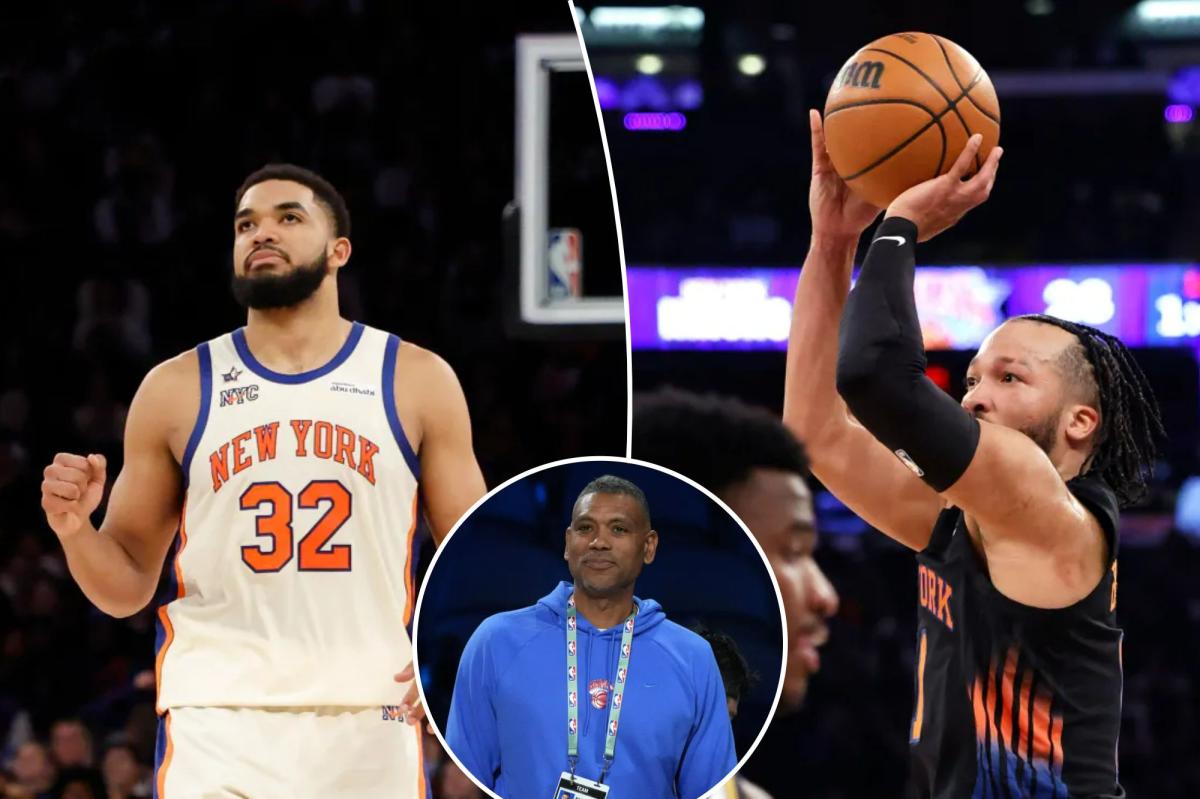
The participation of a New York Knicks-themed team, featuring current All-Stars Jalen Brunson and Karl-Anthony Towns alongside team executive and event champion Allan Houston, exemplifies a sophisticated branding strategy. This composition creates a multi-generational touchpoint for fans, reinforcing a narrative of institutional continuity. Houston’s dual identity as a franchise legend and active front-office member provides unique marketing leverage, positioning the event as both a competitive contest and a celebration of the league’s professional hierarchy. For a major-market franchise like New York, this event ensures brand visibility during a weekend where they otherwise lack participants in the primary individual contests.
From a competitive standpoint, the format is engineered for dramatic tension within a condensed broadcast window. The two-round structure, which narrows four teams to a final two, and the 1:10 time limit to complete seven shooting locations, prioritize collective rhythm and operational efficiency. Unlike the high-variance 3-Point Contest, this event tests versatility and composure under pressure, with the half-court shot historically serving as the primary disruptor and a source of climactic, unpredictable outcomes.
For players like Brunson and Towns, the competition offers a low-impact alternative to more physically demanding events like the Slam Dunk Contest. This is a critical consideration for franchises focused on player health and workload management. Participating allows stars to fulfill promotional obligations without incurring significant injury risk, aligning the league’s entertainment goals with the teams’ strategic priorities.
The event’s financial dimension is significantly amplified by the deep integration of sports betting platforms like DraftKings. Offering specific odds and promotional incentives transforms the exhibition into a monetized, real-time engagement tool. This highlights the institutionalization of gambling within the NBA’s ecosystem, where sophisticated models are used to analyze performance, adding a layer of professional legitimacy to a historically recreational showcase.
The choice of the Intuit Dome in Inglewood as the venue is a deliberate statement on modernizing legacy formats. As the new high-tech home of the Los Angeles Clippers, the arena’s state-of-the-art infrastructure enables advanced data tracking and broadcast integration essential for contemporary production standards. The venue’s operational readiness will be under scrutiny, serving as a high-profile test of its capacity to host large-scale international events.
Ultimately, the 2026 Shooting Stars revival serves as a diagnostic tool for the NBA. Its success, measured by ratings, social media engagement, and betting volume, will directly influence the future of All-Star Weekend programming. A positive reception could cement a permanent shift back toward team-oriented skill competitions, fundamentally reshaping the structure of the league’s mid-season classic for the next decade.