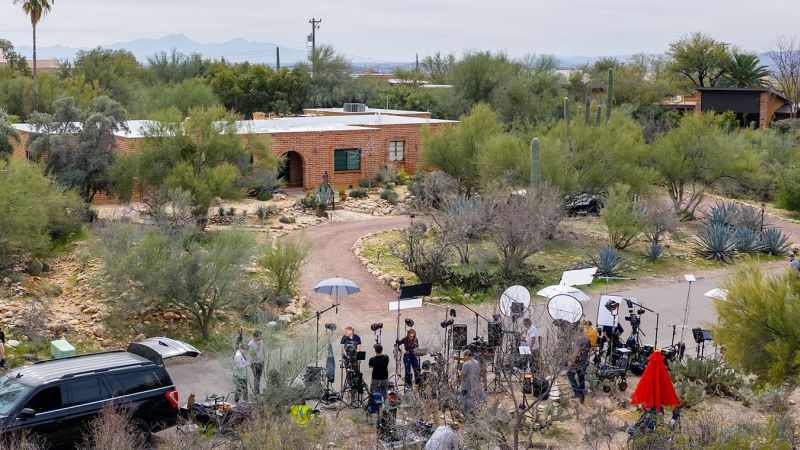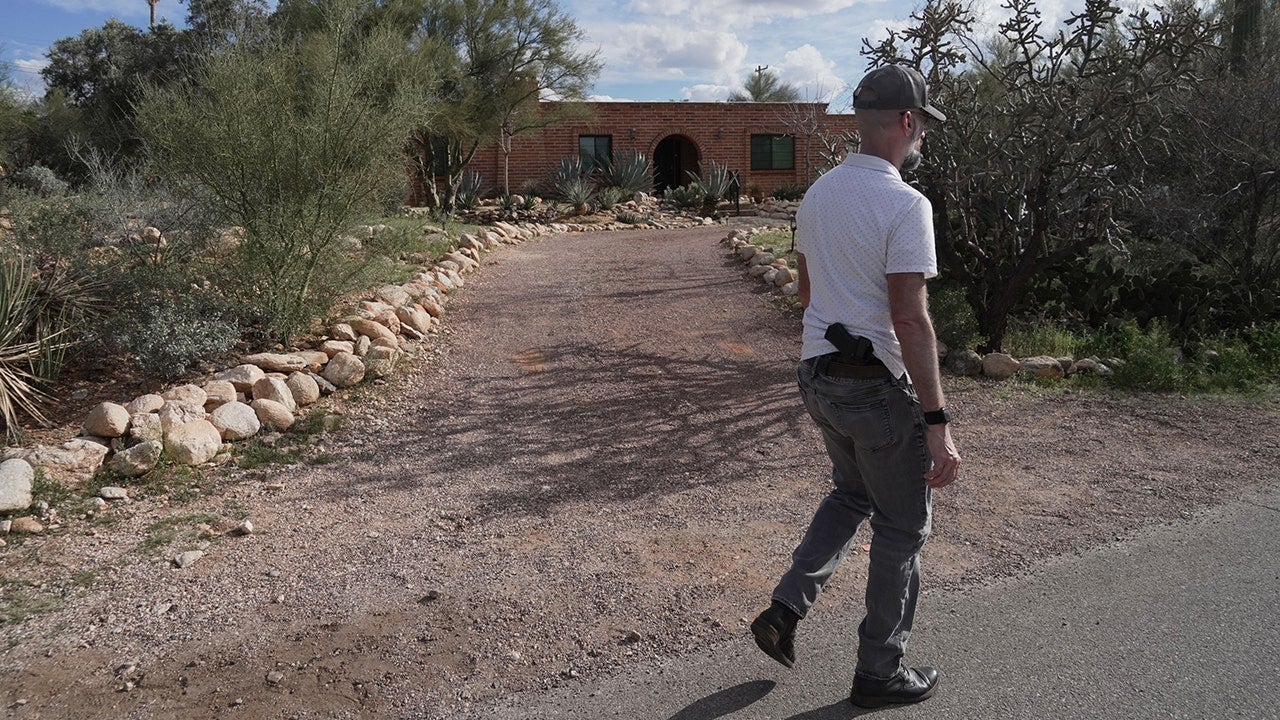
The investigation into the disappearance of Nancy Guthrie has transitioned from a localized missing persons search to a high-intensity forensic inquiry. This shift is characterized by an escalation in federal resources and a strategic pivot toward evidence-driven tactical operations in Pima County, Arizona. The deployment of SWAT units and forensic specialists to a site near Guthrie’s residence indicates a significant hardening of the investigative posture.
Institutional Friction and Federal Interventionism
The Federal Bureau of Investigation’s (FBI) entry into the case underscores a notable shift in jurisdictional dynamics. Unlike standard mutual aid protocols, where federal support follows a formal request from local authorities, reports suggest the FBI initiated proactive outreach. This suggests a perceived national significance—likely catalyzed by Guthrie’s familial ties to a prominent news figure—that triggered federal oversight before the Pima County Sheriff’s Department deemed it operationally necessary. This friction often results in a recalibration of strategy, prioritizing federal database access and advanced forensic assets over traditional ground-search methodologies.
The Forensic Pivot: DNA and Geospatial Evidence
The discovery of non-familial biological material at the Guthrie property represents a critical evidentiary threshold. The presence of foreign DNA on the primary scene effectively excludes domestic-centric theories, necessitating a high-throughput comparison against national criminal databases. Furthermore, the recovery of discarded gloves ten miles from the residence introduces a geospatial dimension to the suspect profile, suggesting a calculated disposal pattern or a specific transit corridor. Linking these disparate physical markers is currently the investigation’s highest analytical priority.
Tactical Execution and Probable Cause
The recent tactical stop of a silver Range Rover at a Tucson commercial hub reflects a high degree of probable cause. The use of privacy screens during the subsequent multi-hour forensic sweep suggests that law enforcement recovered sensitive material requiring immediate chain-of-custody protections. While the detention of the vehicle’s driver remains an investigative step rather than a formal indictment, the decision to impound the vehicle for laboratory processing indicates that the initial search yielded sufficient evidence to justify a comprehensive forensic audit.
Digital Surveillance and Behavioral Profiling
The FBI’s release of specific suspect markers—including a height estimate of 5’9” to 5’10” and the use of an Ozark Trail Hiker backpack—demonstrates an increasing reliance on private digital infrastructure. By synthesizing doorbell camera footage into a behavioral profile, investigators are leveraging crowdsourced intelligence to reconstruct the suspect’s movements. In regions like Pima County, where public surveillance is fragmented, these specific equipment markers serve as vital discriminators in narrowing the field of potential sightings.
Conclusion: Institutional Pressures and Operational Integrity
As the investigation moves into a laboratory-dependent phase, the Pima County Sheriff’s Department and the FBI face the dual challenge of maintaining evidentiary integrity while managing intense national media scrutiny. The transition from tactical field operations to analytical processing will ultimately determine the viability of the current lead. The synthesis of DNA results, vehicle forensics, and geospatial digital data remains the only path toward a definitive resolution in the Nancy Guthrie disappearance.