
Epstein File Review Unmasks DOJ Surveillance of Legislative Inquiry
The highly restricted, in-person review of unredacted Epstein case files granted to select members of Congress has pivoted from an act of disclosure to a flashpoint over executive branch oversight protocols. The focus is now squarely on the mechanics of access, not just the content.
Democrat Representative Robert Garcia publicly condemned the Department of Justice (DOJ) after learning that the agency allegedly monitored the precise search queries executed by lawmakers during these controlled viewings. This revelation recontextualizes the disclosure, framing it as an institutional intrusion into the legislative fact-finding process.
Procedural Integrity and Separation of Powers
The confirmed, undisclosed tracking of congressional searches introduces an immediate, critical challenge to the separation of powers doctrine. Legislative inquiry into sensitive executive branch material necessitates an expectation of confidentiality; secret monitoring, if verified, constitutes a severe erosion of the institutional trust required for effective oversight.
The DOJ must now articulate a compelling justification for this monitoring—whether security, audit logging, or data integrity—under intense scrutiny. The practice suggests internal administrative policies that may supersede or compromise established legislative access protocols, forcing an immediate recalibration of federal agency conduct concerning high-profile documentation.
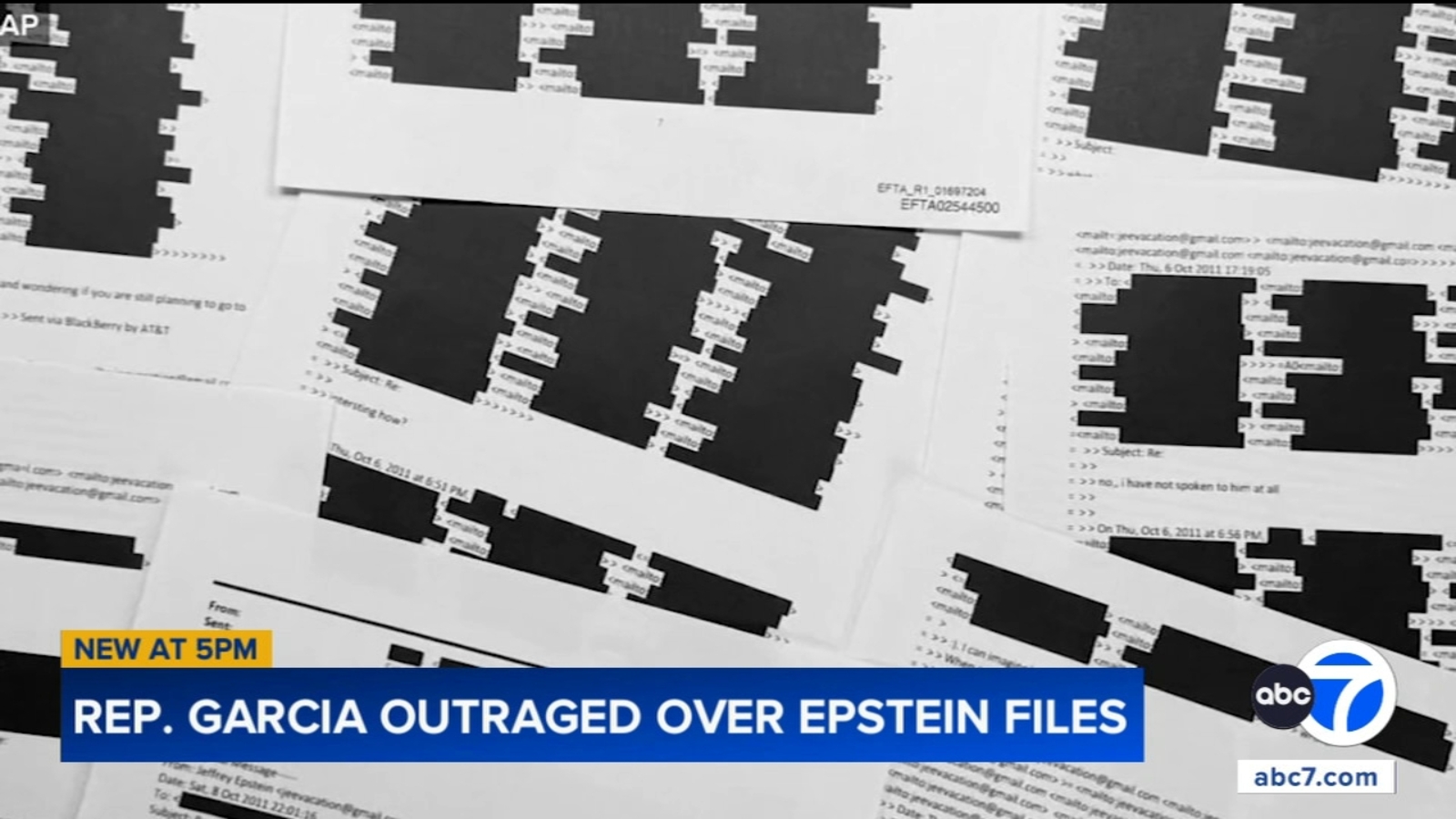
Garcia’s critique emphasizes that this surveillance occurred while the files remained heavily redacted, shielding “powerful wealthy men.” This juxtaposition compounds the perception that the agency is simultaneously policing Congressional oversight while actively shielding elite figures from public view.
Oversight Leverage and Political Exposure
The existence of undisclosed tracking mechanisms immediately empowers calls for full, unredacted release, as the review process itself is now framed as inherently compromised or adversarial. Participating lawmakers face unique scrutiny regarding their specific queries and whether the monitoring might have chilled their subsequent public assessments.
Institutionally, this incident risks hardening executive branch resistance to future voluntary disclosures. Agencies are likely to implement tighter access controls citing security precedents established by this controversy, irrespective of the original intent behind the tracking.
The relevance of figures named within the files, such as Casey Wasserman of the LA28 organizing committee, signifies that the scope of the investigation touches upon influential economic and civic infrastructure, raising the geopolitical stakes of any perceived institutional sheltering.
Transparency Failure and Erosion of Interbranch Trust
Garcia’s statement claiming total ignorance of the tracking highlights a profound communication breakdown regarding the negotiated terms of access. A procedural failure of this magnitude—the failure to explicitly notify reviewing legislators—will be widely interpreted as intentional obfuscation, regardless of technical necessity.
The conflict is fundamentally between the DOJ’s custodial mandate and Congress’s constitutional mandate for comprehensive fact-finding. When the review mechanism is perceived as an investigative counter-measure against the investigators, legislative efficacy is severely diminished.
The central narrative shifts from the substance of the Epstein documents to the operational integrity of the DOJ as an impartial evidence custodian and oversight partner. This incident directly impairs public and legislative confidence in federal management of cases involving powerful individuals.
Structural Precedent and Future Control
This episode establishes a critical precedent for all future negotiations over document access, potentially leading to protracted legal disputes over the scope of permissible monitoring during legislative review mandates. If the DOJ fails to defend the necessity and transparency of its tracking, future secure government reviews will operate under a default assumption of suspicion.
The political alignment of the critic, Rep. Garcia (Democrat), suggests this transcends partisan lines, rooting instead in core procedural fairness essential for legislative access to information concerning systemic power structures.
Downstream implications involve federal data privacy guidelines regarding elected officials performing official duties, suggesting an urgent need for statutory clarity on digital monitoring within restricted government enclaves.
The broader context, hinted at by external political narratives involving MAGA figures targeting Pam Bondi regarding the files, underscores that the documents’ release is already a highly contentious political arena, amplifying the liability associated with internal procedural irregularities like tracking.
Operationally, the DOJ faces the difficult task of justifying its security/release balance, which evidently prioritized internal data control to the point of alienating the legislative body tasked with oversight. The mandatory in-person review on DOJ systems, rather than secure remote access, inherently increased the risk of perceived (or actual) monitoring, magnifying the impact of this discovery.
The structural failure lies in balancing necessary security for sensitive data against providing Congress the depth of information required for effective legislation—a balance demonstrably mismanaged here.
The consistent focus on redactions protecting well-known, elite figures reinforces the narrative of elite shielding, making any perceived overreach in monitoring by the agency an immediate and severe political liability.
The ambiguity regarding the tracking mechanism—keystroke logging versus simple session timing—is secondary to the primary damage: the revelation of undisclosed monitoring during a legislative review session fundamentally damages interbranch cooperation on sensitive data custodianship.

Photo by viarami on Pixabay.