
The Unplanned Genesis of a Horror Icon
The enduring iconography of the Friday the 13th franchise hinges on a single, unplanned creative decision: the introduction of Jason Voorhees’ hockey mask. This pivot, occurring in the third installment, was not a product of long-term strategic design but rather an act of production expediency. It fundamentally altered the series’ trajectory, transforming it from a grounded maternal revenge story into a globally recognized slasher franchise centered on a seemingly immortal, masked antagonist.
From Vengeful Mother to Supernatural Slasher
The original 1980 film established Pamela Voorhees as the killer, driven by grief over her son Jason’s drowning at Camp Crystal Lake. Her narrative was finite and psychologically motivated. When Jason assumed the role of the primary antagonist in the sequel, he initially lacked a distinct visual identity. The franchise required a powerful visual shorthand to solidify its new villain and compete in the burgeoning slasher subgenre, a need that was met serendipitously during the production of Friday the 13th Part III (1983).
The Detroit Red Wings Connection
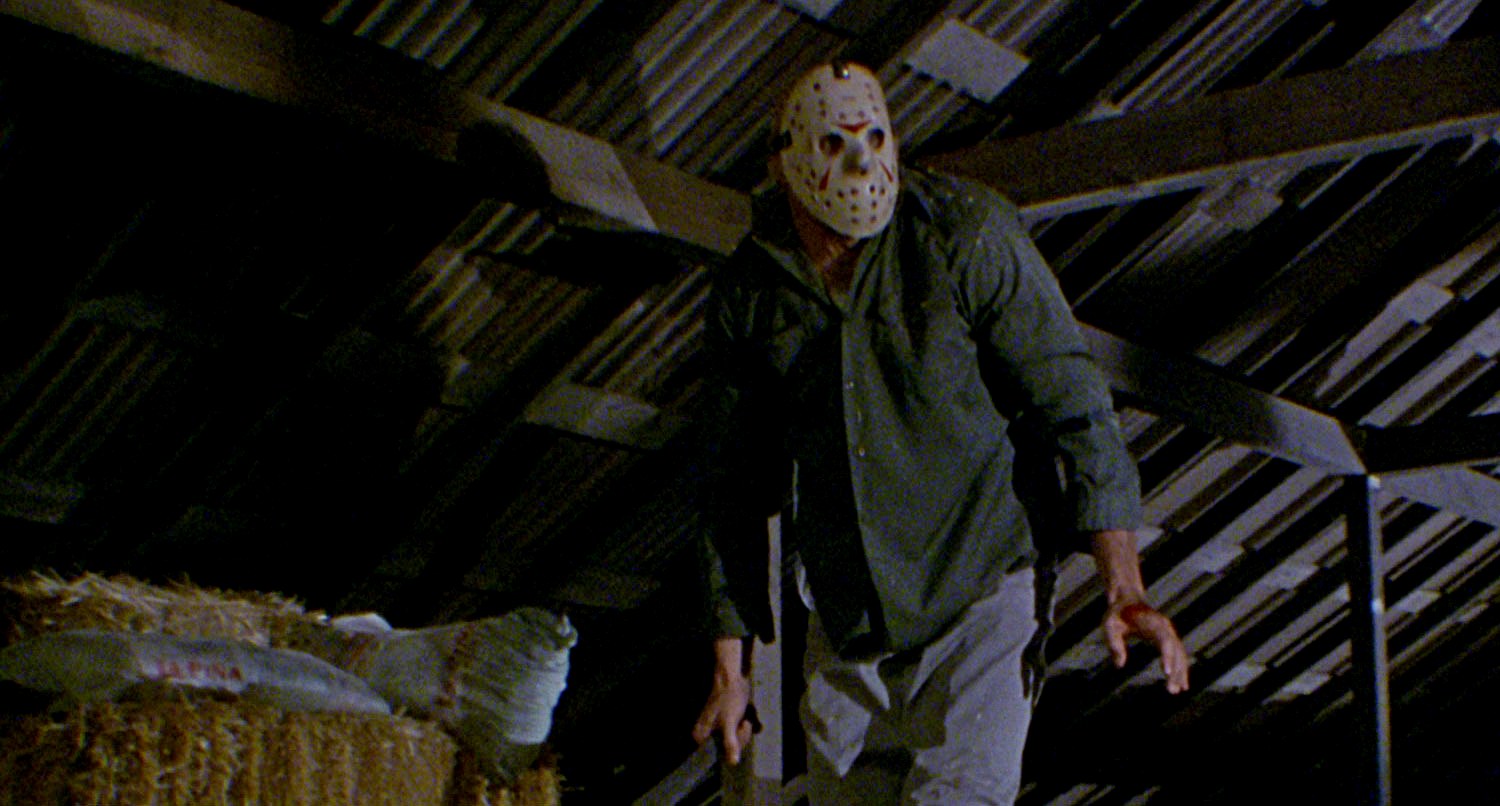
The iconic mask was introduced during a lighting check for a scene. Martin Jay Sadoff, the film’s 3D effects supervisor and an avid hockey fan, supplied his personal Detroit Red Wings goaltender mask. The director, Steve Miner, approved its use, and a cultural touchstone was accidentally born. This decision provided an immediate, low-cost solution for concealing the actor’s face while creating a chillingly blank and inhuman facade for the character.
The Strategic Impact of an Accidental Brand
While unintentional, the adoption of the hockey mask had profound strategic implications that secured the franchise’s long-term commercial viability.
1. Forging a Marketable Brand Identity
The mask provided an instantly recognizable and easily reproducible symbol. Unlike more complex creature designs, it was a simple, powerful image that could be easily translated to posters, merchandise, and marketing materials worldwide. This visual asset became more valuable than the narrative of any single film, creating a brand that could sustain numerous sequels, reboots, and crossovers.
2. Redefining the Narrative Engine
The mask facilitated the shift from Pamela’s comprehensible motives to Jason’s relentless, almost supernatural presence. It dehumanized the character, transforming him from a vengeful man into an unstoppable force of nature. This narrative recalibration allowed for limitless storytelling possibilities, unconstrained by the logic of the original film’s revenge plot, and established the foundation for a multi-decade series.
3. Securing a Competitive Advantage
In the early 1980s slasher market, a memorable villain was a key differentiator. The hockey mask gave Jason a unique visual signature that set him apart from contemporaries like Michael Myers. This accidental branding proved to be a critical competitive advantage, cementing Jason’s place in the pantheon of horror icons and ensuring the franchise’s economic resilience.
Legacy: Unplanned Success in IP Management
The origin of Jason’s mask serves as a case study in how expediency and serendipity can outperform meticulous design in intellectual property development. A production shortcut, born from a crew member’s sports fandom, became the core asset of a multi-million dollar franchise. This contrasts sharply with modern franchise management, where every visual element is subject to rigorous market testing and strategic planning. The story of the mask demonstrates that sometimes the most enduring cultural symbols arise not from a boardroom, but from a moment of on-set improvisation.

Photo by geralt on Pixabay.