1. Asset Protection: The Cooper Flagg Precedent
The absence of Dallas Mavericks forward and top overall selection Cooper Flagg from the Rising Stars Challenge recalibrates the event’s commercial anchor. Flagg’s historic precedent as the first teenager with consecutive 30-point double-doubles had created a singular, high-value marketing narrative. His foot injury shifts the promotional focus from a generational talent to the collective depth of the rookie and sophomore classes. For the Mavericks, sidelining Flagg is a clear exercise in long-term asset management, prioritizing the preservation of a franchise cornerstone over the short-term exposure of an exhibition game. This decision underscores a league-wide trend where teams increasingly shield key young players from non-essential competition.
2. Labor Leverage: The WNBA CBA Impasse
The exclusion of WNBA players from All-Star Friday events, including the Celebrity Game, serves as a public indicator of the unresolved Collective Bargaining Agreement (CBA) negotiations between the league and the WNBPA. This omission is not a simple scheduling choice but a tactical move in a broader labor dispute, where high-profile, cross-promotional appearances are leveraged as bargaining chips. The move temporarily halts the leagues’ integrated marketing efforts, directly impacting the visibility of female athletes during a peak media window and illustrating how off-court institutional conflicts can reshape on-court broadcast products.
3. Media Rights Fragmentation: The Peacock DTC Experiment
The NBA’s decision to broadcast the Rising Stars Challenge exclusively on Peacock, while keeping the Celebrity Game on linear television (ESPN), exemplifies a deliberate media rights fragmentation strategy. This move isolates the marquee youth event on a direct-to-consumer (DTC) platform to test its ability to drive subscriber acquisition among a younger, digitally-native demographic. The late-evening tournament schedule is designed to capture a high-intent audience, providing NBCUniversal with critical data on the conversion rate of All-Star weekend viewership into paid streaming subscriptions. This broadcast bifurcation functions as a real-time stress test for the future of NBA media distribution.
4. Roster Analytics: Rebuilds and Archetypes
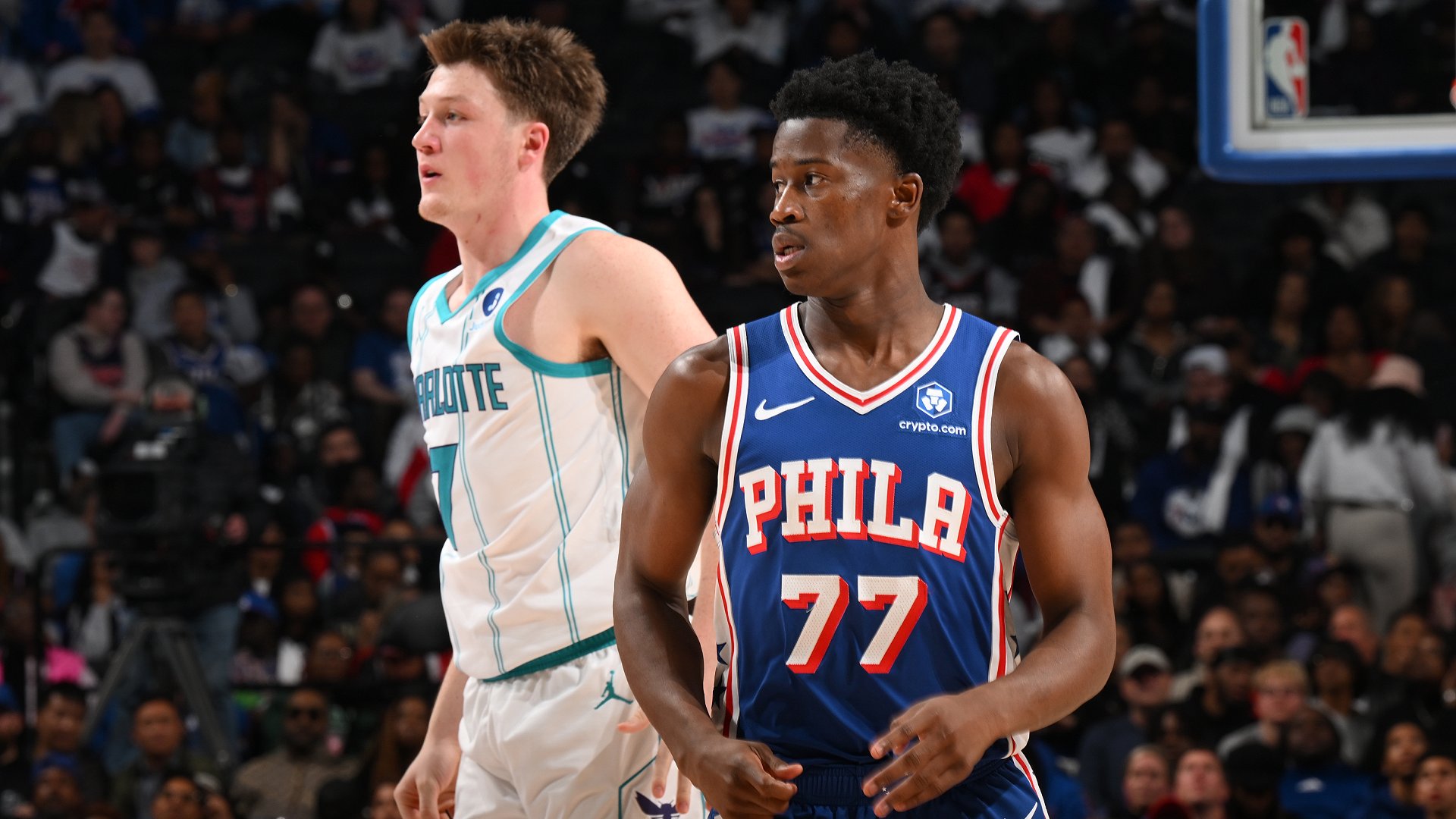
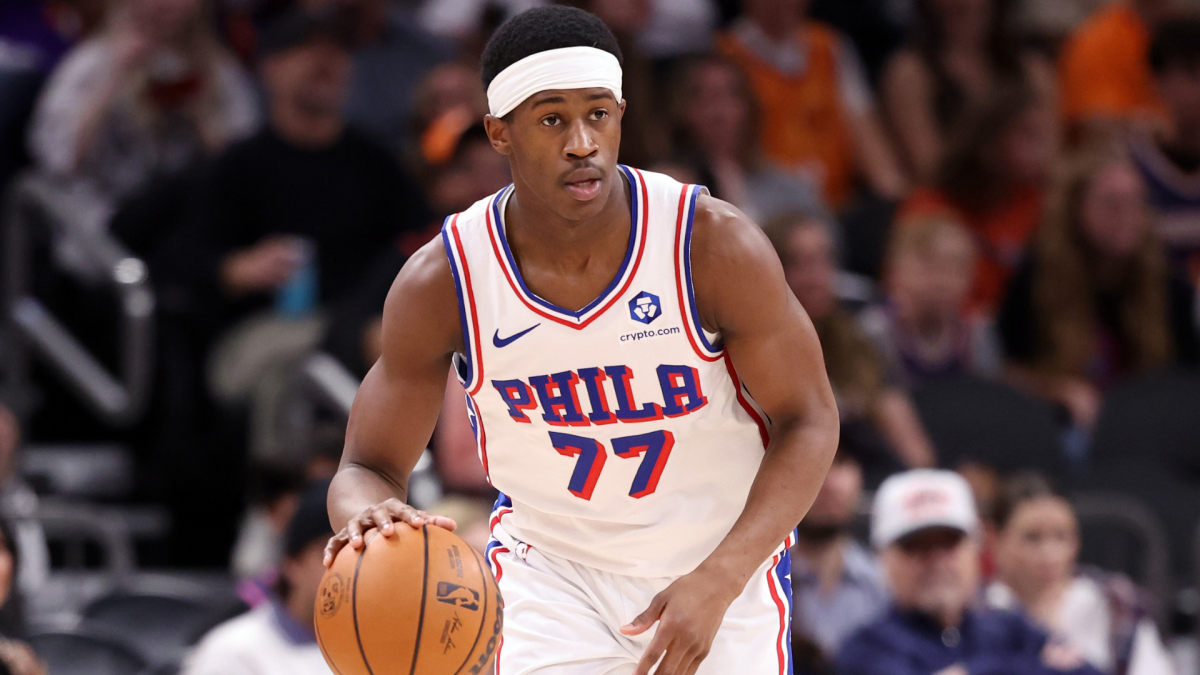
The showcase provides a data-rich environment for analyzing team-building philosophies and evolving player roles. The Washington Wizards’ inclusion of three prospects—Tre Johnson, Bub Carrington, and Kyshawn George—highlights an aggressive, high-volume youth rebuild strategy. Carrington’s selection as an injury replacement for Alex Sarr also offers insight into the fluid developmental hierarchy within the organization. Concurrently, Kon Knueppel’s record-breaking pace for rookie three-pointers (183) provides a quantitative look at the specialization of offensive roles. His performance, measured against Keegan Murray’s rookie record, reflects a systemic league shift toward prioritizing high-efficiency, specialized shooters from their initial entry into the league. The tournament’s competitive, team-based format, led by former stars, incentivizes tactical execution, offering front offices a more reliable barometer of prospect performance under pressure than a traditional exhibition.