Calendar Alignment Drives Regional Tattoo Market Strategies
The year 2026 presents a rare logistical and commercial scenario for the body art industry in the Southwest United States. With three separate Friday the 13ths appearing on the calendar, tattoo studios in San Antonio, Austin, and Arizona are shifting their operational models to accommodate a significant surge in consumer demand. This alignment is particularly notable due to a sequence where the event occurs in two consecutive months, forcing shop owners to plan for sustained high-volume service periods.
In San Antonio, the focus remains on accessibility through discounted specials designed to draw in a diverse clientele. These promotional periods serve as a primary entry point for new customers who may otherwise be deterred by standard hourly rates. By offering standardized designs at reduced price points, studios can manage the flow of patrons while maintaining high turnover rates during the limited hours of operation.
Operational Challenges and Flash Art Logistics
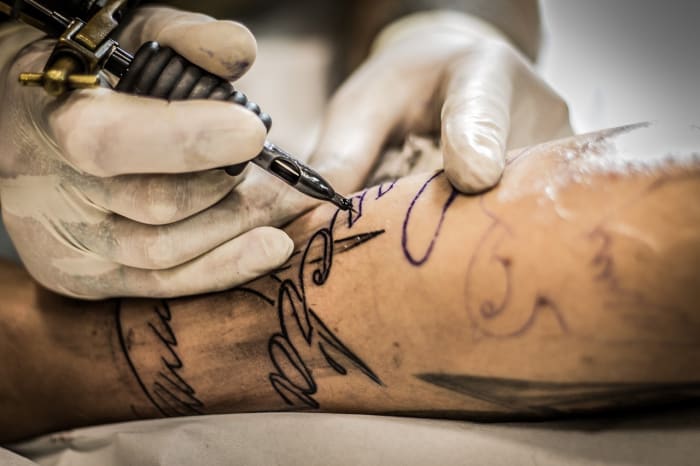
The core of these events relies on the concept of flash art, which consists of pre-rendered designs that are ready for immediate application. This system eliminates the time-consuming consultation and customization phases typically associated with professional tattooing. In Arizona, shops are emphasizing that reduced pricing does not equate to a compromise in technical execution or safety protocols. Maintaining high-quality results during a high-speed promotional window is a key priority for established artists who view these days as a showcase of their proficiency.
Logistically, these events require a significant increase in inventory management for disposable supplies such as needles, ink caps, and protective barriers. Studios must also coordinate staff schedules to ensure that both senior artists and apprentices can participate in the workload. The consecutive nature of the dates in 2026 means that supply chains must be robust enough to replenish essential materials within a very short window between major events.
Market Crossovers and Consumer Demographic Shifts
Austin is taking a specialized approach by merging the superstitious themes of Friday the 13th with Valentine’s Day motifs. This crossover suggests a deliberate attempt to capture a broader market segment, including couples and those looking for commemorative art that deviates from traditional unlucky symbols. The presence of two months in a row with such events creates a unique marketing rhythm, allowing shops to build momentum and retain customer interest over a longer period.
The shift toward these scheduled events reflects a broader change in how tattoo services are consumed in urban centers. Once an underground tradition, the Friday the 13th promotion has become a stabilized commercial event that contributes significantly to the annual revenue of small businesses in the art sector. This transition from niche subculture to mainstream marketing event highlight the evolving relationship between the tattoo community and the general public.
Regulatory Standards and Public Health Compliance
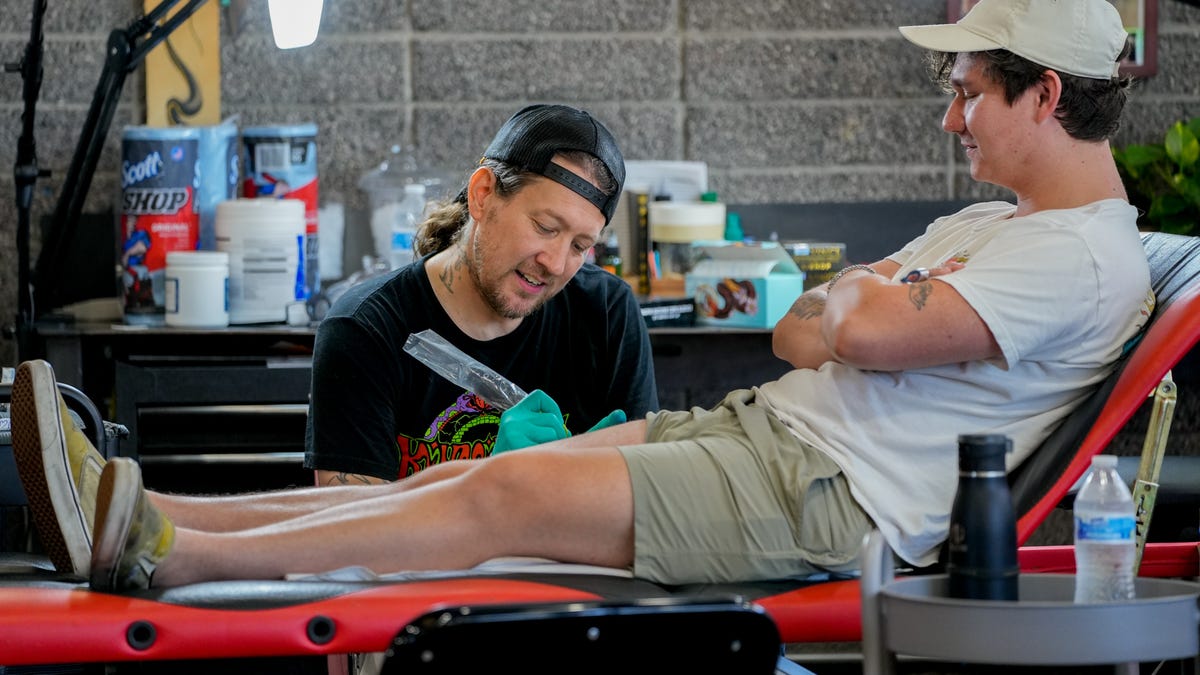
Despite the high volume of walk-in traffic, professional studios are bound by strict health and safety regulations enforced at the state level in Texas and Arizona. These standards govern sterilization processes, waste disposal, and the licensing of individual practitioners. During mass-attendance events, shops must ensure that their facility remains compliant with local health codes, which often involves dedicated staff members focusing solely on environment maintenance and client intake paperwork.
The administrative side of these promotions involves careful management of waitlists and crowd control. Many shops have moved away from traditional queueing in favor of digital check-in systems to prevent congestion on public sidewalks and ensure a more orderly process. This logistical evolution is necessary to maintain the professional reputation of the industry while handling hundreds of clients in a single day.
Economic Impact on the Local Body Art Sector
From an economic standpoint, these promotions act as loss leaders or high-volume revenue generators depending on the specific business model of the shop. While the profit margin on a single discounted tattoo may be lower than a custom piece, the total volume of transactions often results in a highly profitable day. Furthermore, the long-term value of these events lies in customer retention, as a positive experience during a flash event frequently leads to future bookings for more complex and expensive custom work.
The 2026 calendar offers a predictable schedule for these businesses to forecast their quarterly earnings and marketing expenditures. By leveraging the cultural momentum surrounding Friday the 13th, studios in the Southwest are cementing their role as key players in the local creative economy. The successful execution of these events requires a balance of artistic skill, administrative organization, and adherence to professional safety standards.