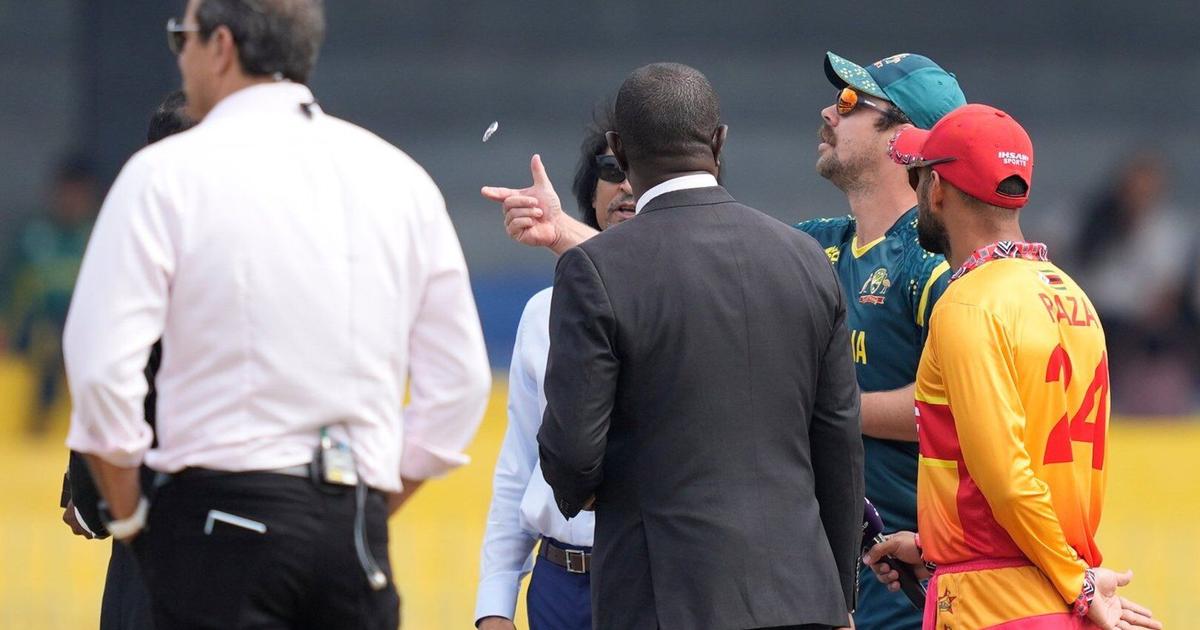
Tactical Navigation at the T20 World Cup Toss
The commencement of the T20 World Cup fixture between Australia and Zimbabwe began with a critical decision at the coin toss. Australian captain Travis Head successfully called the toss and elected to field first against his counterpart, Sikandar Raza.
This decision follows a standard operational preference in the short format where teams often prioritize chasing a known total. The act of fielding first allows a side to assess the surface behavior and atmospheric influences before their own batting innings begins.
For Zimbabwe, being sent in to bat first required an immediate focus on establishing a stable foundation. Captain Sikandar Raza faced the challenge of guiding a side characterized by high levels of confidence against a highly favored opponent.
The Opening Phase and Zimbabwe’s Early Momentum
The early stages of the Zimbabwean innings showed signs of significant intent from the opening batsmen. Bennett and Marumani sought to capitalize on the initial overs to maximize the scoring rate while the fielding restrictions were in place.
By the eighth over, Zimbabwe had reached a total of 66 for the loss of one wicket. This scoring rate suggests a proactive approach to the powerplay and the subsequent transition into the middle overs.
Bennett maintained a steady presence at the crease, reaching 26 runs as the innings progressed. His role centered on rotating the strike and finding boundaries to keep the pressure on the Australian bowling unit.
Marcus Stoinis and the Mechanics of the Breakthrough
The game reached a pivotal point in the eighth over when Marcus Stoinis was introduced to provide a tactical shift. Stoinis utilized a strategy focused on limiting the physical space available to the batsmen.
His dismissal of the Zimbabwean opener, Marumani, resulted from a delivery that effectively cramped the batsman for room. This technical approach forced a mistake from the opener, who had previously attempted to cut the ball away from his body.
The removal of Marumani served as a necessary intervention for the Australian side. It interrupted the building momentum of the Zimbabwean top order and forced Ryan Burl to enter the crease earlier than anticipated.
Analysis of Bowling Strategy and Delivery Execution
The specific delivery used to dismiss Marumani highlights the professional focus on line and length in high-pressure tournaments. By bowling closer to the batsman’s body, Stoinis reduced the arc of the swing available for horizontal bat shots.
This type of bowling requires a precise understanding of the batsman’s trigger movements and positioning. The breakthrough was not merely a result of pace but of strategic placement designed to exploit a technical vulnerability in the cut shot.
The entry of Ryan Burl at 1 run not out signaled a shift in Zimbabwe’s requirement to rebuild. The loss of a settled opener during the middle overs often forces a temporary reduction in scoring as new batsmen adjust to the pace of the pitch.
Leadership and Team Composition Under Pressure
The match features a contrast in team situations, with Australia being described as a depleted squad for this encounter. Such conditions often test the depth of a nation’s sporting infrastructure and the ability of a captain like Travis Head to manage resources.
In contrast, Zimbabwe entered the match with a buoyant outlook, aiming to execute a massive upset. This mindset is often fueled by successful preparation and a collective belief in the team’s ability to compete with top-tier international programs.
The encounter between Raza and Head at the toss represents the collision of two different organizational trajectories. One side seeks to maintain its elite standing despite missing personnel, while the other looks to validate its progress on the global stage.
Broadcasting Context and Real-Time Reporting
The nature of live sports reporting for events of this magnitude emphasizes the importance of moment-to-moment analysis. Every over, such as the eighth over featured here, serves as a data point for understanding the overall trajectory of the match.
The use of live updates ensures that the international audience remains informed of rapid shifts in momentum. The breakthrough by Stoinis is a primary example of how a single over can alter the perceived control of the game.
The global reach of the T20 World Cup ensures that these tactical exchanges are scrutinized by analysts and fans alike. The performance of individual players under the pressures of a World Cup contributes significantly to their standing in professional rankings.
The Significance of Middle-Over Transitions
The transition from the powerplay to the middle overs is often where matches are won or lost in T20 cricket. Zimbabwe’s ability to reach 66-1 indicated a strong start, but the intervention of the bowling side during this period is a standard counter-measure.
Australia’s focus on taking wickets during this phase is intended to prevent the batting side from launching a high-scoring finish. The dismissal of Marumani is a key component of this defensive strategy, aimed at slowing the run rate through the middle of the innings.
As the match continues beyond the eighth over, the focus shifts to how the remaining batsmen manage the variety of bowling changes. The tactical battle between the Australian bowlers and the Zimbabwean middle order remains the central narrative of the contest.