Navigating Olympic Narratives and Athlete Legacies
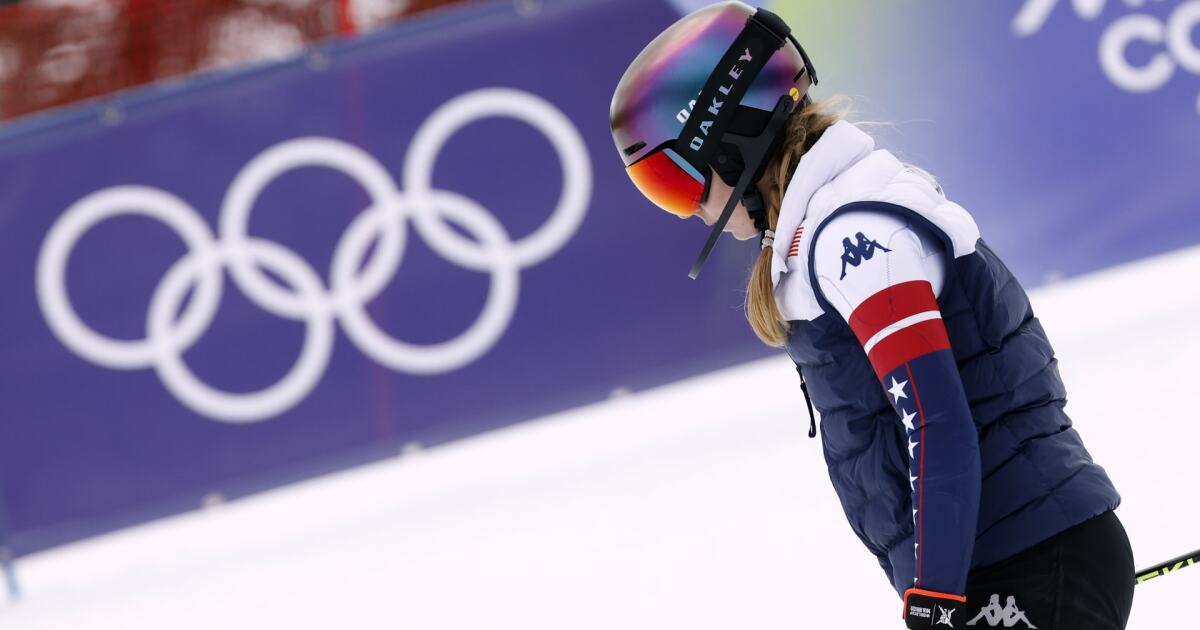
The trajectory of an elite athlete’s career often undergoes intense scrutiny, particularly during major international competitions like the Olympic Games. Mikaela Shiffrin’s recent Olympic performances in slalom and giant slalom events have presented a complex dimension to her established legacy, inviting discussion on how individual results at specific moments align with a broader, enduring professional narrative.
While her personal outcomes presented challenges, the events reportedly yielded a ‘silver lining’ for deserving fellow competitors. This highlights a nuanced perspective on athletic achievement, where individual results can indirectly open pathways or create opportunities for other participants within a national contingent or the wider sporting community.
The Ascent of New Competitive Formats in Alpine Skiing
The introduction of novel event formats significantly reshapes the competitive landscape of high-performance sport. The ‘new team combined event’ in Alpine skiing exemplifies this evolution, offering distinct challenges and opportunities that differ markedly from traditional individual races.
Such additions to the Olympic program foster innovative strategies among national sporting organizations. They encourage a broader focus on athlete development that extends beyond established single-discipline specializations, promoting versatility and adaptability within competitive squads.
Austria’s Strategic Triumph in Evolving Disciplines
The Austrian duo of Ariane Raedler and Katharina Huber secured gold in the new team combined event, a notable achievement given neither athlete had previously won a World Cup skiing race. Their victory underscores the unique demands and characteristics of emerging Olympic disciplines.
This outcome suggests that success in these newer, often multi-skill formats, may depend less on consistent performance across a season-long World Cup circuit and more on targeted preparation and specific aptitudes for combined competitive challenges. It reflects the capacity of a national program to identify and capitalize on these evolving competitive conditions.
U.S. Bronze and the Importance of Succession Planning
American athletes Paula Moltzan and Jackie Wiles earned a bronze medal in the team combined Alpine skiing race, marking a significant accomplishment for their national program. This success not only represents a commendation of their athletic prowess but also reinforces the importance of diverse athlete development pathways.
Beyond their competitive achievements, Moltzan and Wiles are actively involved in influencing the next generation as mentors. This role is a critical component of sustaining excellence within any high-performance sporting environment, ensuring continuity of skill and competitive spirit.
Cultivating Future Talent: The Role of Athlete Mentorship
Mentorship programs in elite sports are fundamental to the long-term health and competitive viability of national teams. Experienced athletes, like Moltzan and Wiles, serve as crucial conduits for transmitting technical knowledge, strategic insights, and the often-unspoken culture of high-level competition to aspiring talents.
This transfer of expertise extends beyond mere athletic technique, encompassing mental resilience, professional conduct, and the navigation of a demanding career path. Such initiatives are essential investments in the human capital of a sport, directly impacting its future capacity for international competitiveness.
Strategic Implications for National Sporting Programs
The events observed within Olympic Alpine skiing highlight several key trends pertinent to national sporting programs globally. There is an increasing emphasis on adapting to new competitive formats, which necessitates agile program design and resource allocation to support athletes in these evolving disciplines.
Moreover, the interplay between individual achievement, as seen in the discussion surrounding Shiffrin’s legacy, and collective success, exemplified by the team combined event results, shapes the overall narrative of a national team’s performance. It compels sports organizations to consider a holistic approach to athlete development and competitive strategy.
The Long-Term View: Investing in Athlete Pathways
The documented roles of veteran athletes in guiding emerging talents reflect a proactive approach to athlete pathway development. This approach acknowledges that sustained success requires more than just identifying talent; it demands structured support systems that foster growth, resilience, and a deep understanding of the sport’s intricacies.
These initiatives contribute to a robust pipeline of future competitors, ensuring that a national program maintains a strong presence on the international stage. The emphasis on nurturing the next generation directly contributes to the sport’s continuity and its ability to achieve consistent podium finishes across diverse event categories.
Evolving Definitions of Success and National Pride
The varied outcomes across the Olympic events—from the assessment of a seasoned champion’s recent performances to the unexpected triumphs in new formats and the deliberate cultivation of future stars—illustrate the multifaceted nature of success in elite sports. It moves beyond singular medal counts to encompass development, resilience, and the propagation of a competitive culture.
Ultimately, these developments contribute to a broader sense of national achievement and engagement with the sport. They reinforce the idea that competitive excellence is a continuous journey, forged through individual effort, collective strategy, and a deliberate commitment to fostering new generations of athletes.