Strategic Victories in the First Qualifying Heat
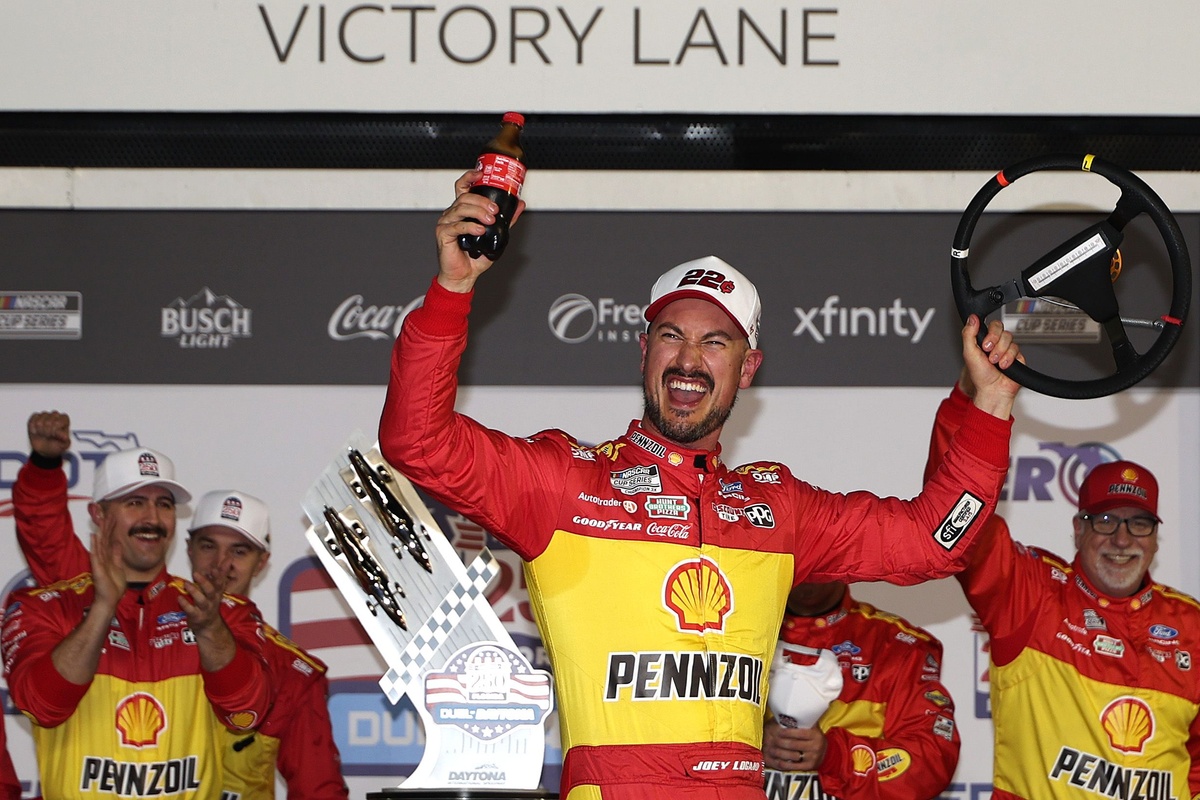
Joey Logano secured a significant victory in the first of two qualifying races at Daytona Beach, positioning Team Penske at the front of the field for the upcoming season opener. The win confirms the operational readiness of the Ford camp, which relied on coordinated drafting to maintain control over the closing laps of the sprint.
This initial qualifying race serves as a high-speed test of vehicle performance and driver communication under race conditions. Logano captured the checkered flag in a finish that showcased the efficiency of multi-car alliances during the final stages of the event.
The first Duel is not merely a race for position but a critical sorting process for teams without guaranteed entry into the main event. While the victory provides Logano with a premium starting spot, the deeper narrative centered on those attempting to secure a place on the grid through sheer track performance.
The High Stakes of the Open Entry System
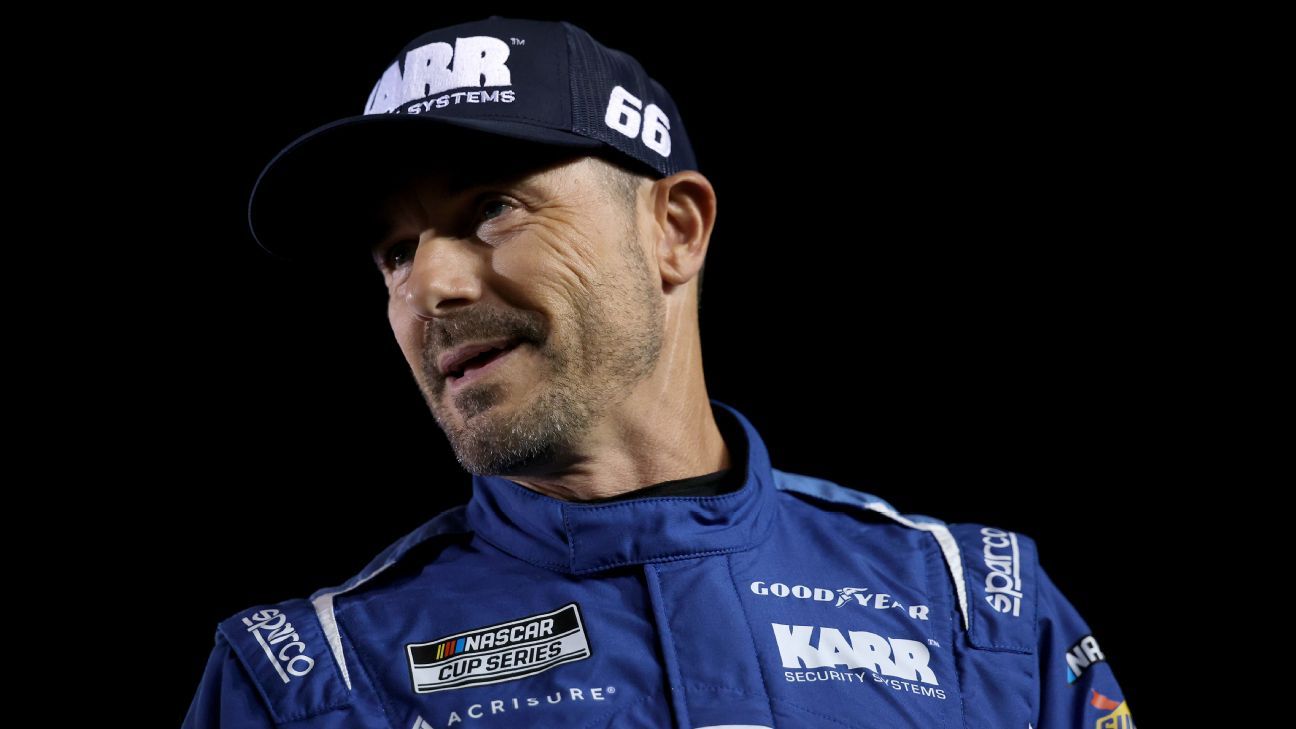
Casey Mears managed to lock himself into the starting field of the Daytona 500 through a display of aggressive driving during a chaotic final lap. Despite being caught in a significant wreck, Mears maintained forward momentum to cross the line and secure his eligibility for the main event.
The qualifying system at Daytona distinguishes between chartered teams with guaranteed entries and open teams that must earn their way into the field. For drivers like Mears, the Duels represent a win-or-go-home scenario where the financial and operational future of the team depends on a single night of racing.
The decision to remain at full throttle through a developing accident reflects the unique pressures of the qualifying format. In this specific racing model, the necessity of finishing ahead of other non-chartered cars outweighs the immediate concern for vehicle preservation or damage mitigation.
Chase Elliott Dominates the Second Qualifying Session
Chase Elliott continued the momentum for Hendrick Motorsports by claiming victory in the second qualifying race on Thursday night. The win reinforces the competitive standing of the Chevrolet teams, which have historically demonstrated strong pace during the speedway qualifying sessions.
Elliott’s performance was characterized by a disciplined approach to the draft, allowing him to navigate the pack without the same level of attrition seen in the earlier session. The result ensures that two of the sport’s most prominent figures will share the front rows of the starting grid for the primary event.
The second Duel often presents different environmental variables as track temperatures drop and the surface grip levels evolve. Teams must adjust their setups in real-time to account for these changes while balancing the risk of aggressive maneuvers that could jeopardize their primary racing chassis.
Finalizing the Grid for the Great American Race
Anthony Alfredo successfully navigated the complexities of the qualifying heats to claim the final available spot in the starting field. His inclusion completes the forty-car roster for the race commonly known as the Great American Race, marking a milestone for his program’s entry into the premier circuit.
The process of filling the final spots involves a complex calculation of qualifying speed and finishing position within the Duels. For Alfredo, the night represented a successful execution of a strategy centered on avoidance and opportunistic positioning during the closing laps.
The conclusion of these qualifying races shifts the focus of the industry toward the long-form strategy required for the 500-mile main event. The data gathered during these sessions regarding fuel consumption, tire wear, and drafting partner reliability will serve as the basis for the tactical plans utilized on Sunday.
The Evolution of Qualifying Protocols
The current format of the qualifying races highlights the logistical and commercial demands placed on modern racing organizations. Beyond the individual pursuit of victory, these races serve as a live broadcast showcase for sponsors and a vetting ground for the technical updates implemented during the off-season.
The tension between established teams and independent entrants creates a unique competitive environment that is specific to the Daytona event. The success of Mears and Alfredo illustrates the precarious nature of professional racing where a few seconds of track time determine the outcome of a multi-million-dollar investment.
As the field is now finalized, the attention moves to the final practice sessions and the preparation of the racing machines. The performance of Logano and Elliott establishes them as early benchmarks for the competition, while the survival of Mears and Alfredo underscores the resilience required to compete at the highest level of the sport.