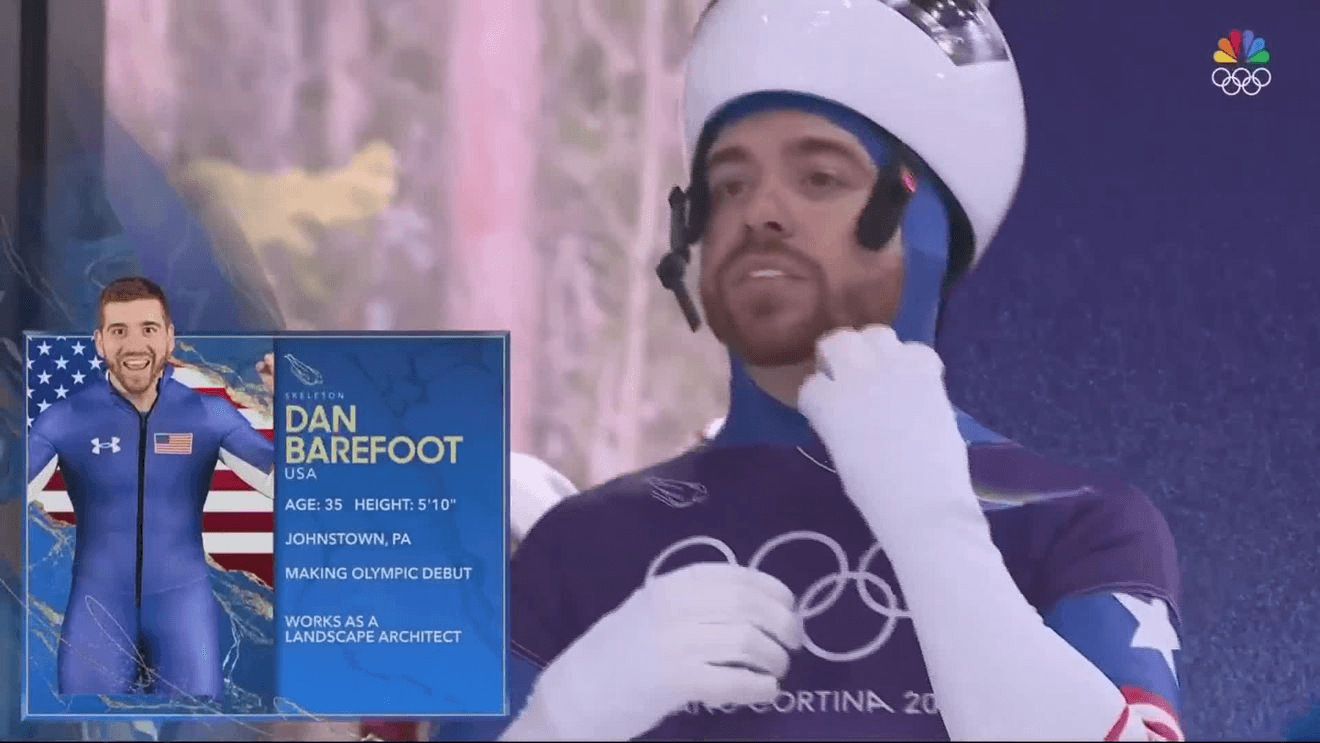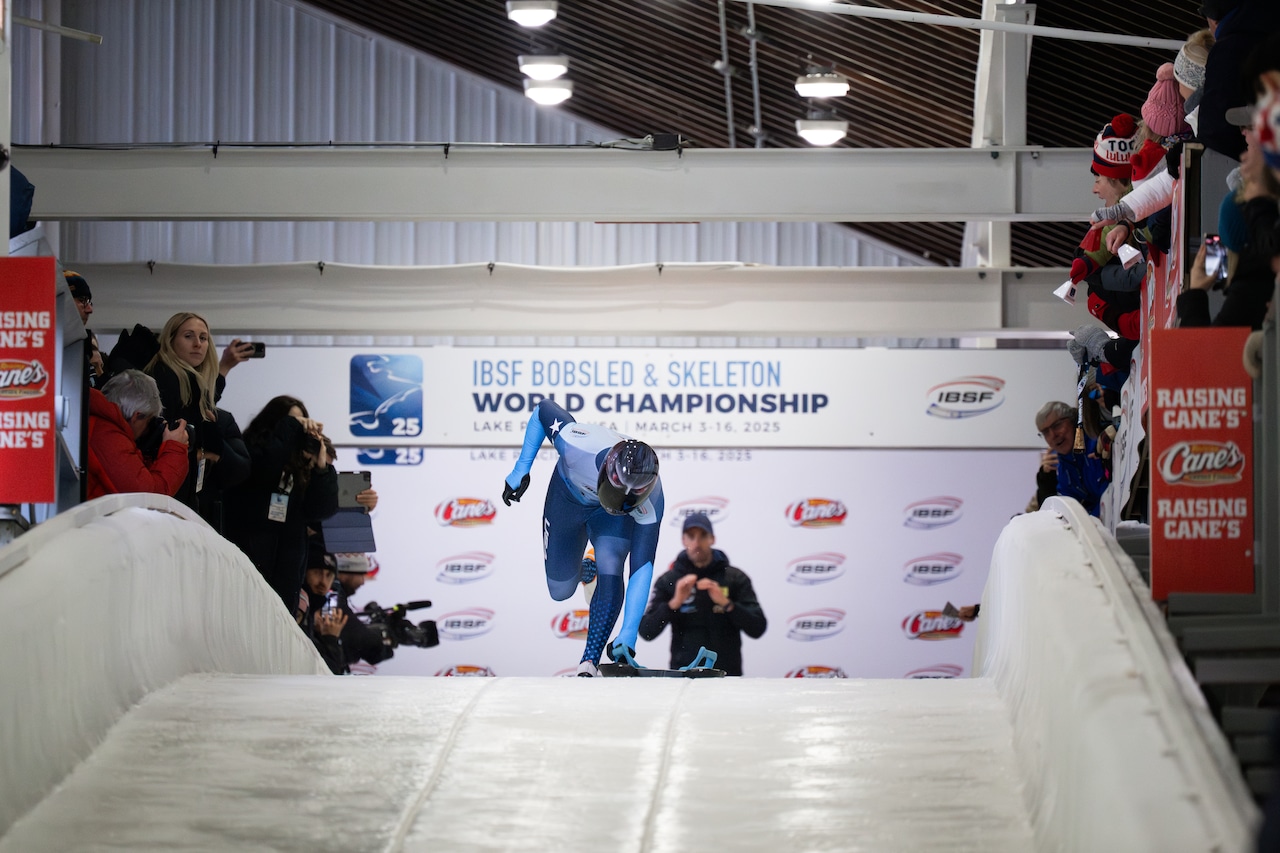
The emergence of Dan Barefoot on the international skeleton circuit represents a notable shift for the athletic community in Cambria County. Barefoot, a native of Geistown and a graduate of Richland High School, recently made his debut on the sliding tracks of Italy. This appearance serves as a critical step in the lead-up to the 2026 Winter Games, where the athlete intends to represent the United States at the highest level of winter sports.
The Trajectory of a Collegiate Athlete
Barefoot’s transition to the skeleton is described by observers as an unconventional path for a Penn State University graduate. While many collegiate athletes pursue traditional team sports, the move into the sliding disciplines requires a specific set of physical and mental attributes. The sport demands explosive starting power and the ability to maintain composure while traveling at speeds reaching 80 miles per hour.
The administrative process of identifying talent for such niche disciplines often involves looking at high-performing individuals in more common athletic fields. Barefoot’s background provided the necessary physiological baseline to handle the extreme gravitational forces experienced on the track. This progression from a local high school environment to the elite international stage underscores the efficacy of regional talent identification systems.
Community Support and Regional Identity
In Geistown and the broader Johnstown area, the reaction to Barefoot’s debut has been characterized by a collective sense of pride. Students at Richland High School have actively demonstrated their support for the alumnus, highlighting the social impact an elite athlete can have on their hometown. These public displays of encouragement serve to strengthen the bond between the local educational system and the professional aspirations of its students.
For a community like Cambria County, having a local figure compete on a global stage provides a unique point of regional differentiation. The visibility of Barefoot’s journey creates a tangible link between small-town Pennsylvania and the international athletic circuit. This connection is not merely sentimental but serves as a model for how local support systems can bolster the career of an athlete in a high-risk, high-reward field.
The Technical Challenges of the Cortina Track
The Italian track at Cortina d’Ampezzo presents a rigorous set of challenges for any skeleton racer. Navigating this course requires an intricate understanding of ice conditions, turn angles, and aerodynamic positioning. As Barefoot barrels head-first down the track, the margin for error is nearly non-existent, necessitating hundreds of hours of preparatory study and physical conditioning.
The mechanics of the skeleton involve the athlete gripping a small sled and sprinting to gain momentum before diving onto the apparatus. This initial burst of speed is often the deciding factor in a race where medals are frequently determined by hundredths of a second. Barefoot’s ability to execute these maneuvers under the pressure of an international debut indicates a high level of technical proficiency and mental discipline.
Administrative Pathways to the 2026 Games
Securing a spot in the 2026 Winter Games involves a multi-year cycle of qualification events and performance benchmarks. Barefoot’s recent performance in Italy is part of a broader strategy to accumulate the points and experience necessary for Olympic selection. National governing bodies closely monitor these international appearances to determine which athletes possess the consistency required for the Olympic roster.
The logistical requirements for competing in skeleton are substantial, involving specialized equipment and access to a limited number of certified tracks worldwide. Managing these requirements often necessitates a robust network of sponsors, coaches, and support staff. Barefoot’s success in navigating these administrative hurdles is a testament to the organizational backing he has received from his family, friends, and the athletic community.
The Influence of Academic and Social Foundations
The role of Richland High School and Penn State in Barefoot’s development cannot be overstated. These organizations provide the foundational discipline and competitive environment necessary for an athlete to survive the rigors of professional sport. The support from his alma mater suggests that the values instilled during his formative years continue to play a role in his current professional conduct.
By acknowledging the people who helped him reach this stage, Barefoot highlights the collaborative nature of individual sports. While the athlete is alone on the sled, the journey to the track is a collective effort involving educators, mentors, and local peers. This narrative of community-driven success is a powerful motivator for the next generation of athletes in the Johnstown area.
Looking Toward the International Horizon
As the timeline moves closer to 2026, the focus on Barefoot’s performance will likely intensify. Each descent down the track provides valuable data that can be used to refine his technique and equipment settings. The analytical approach to skeleton racing is similar to high-performance engineering, where every adjustment is scrutinized for its impact on speed and stability.
Barefoot’s journey from Geistown to the tracks of Italy serves as a significant case study in how niche athletic careers are built. It demonstrates that with the right combination of local support, collegiate foundation, and individual perseverance, it is possible to reach the global stage. The upcoming years will determine how this foundation translates into a permanent legacy within the world of winter sports.