Federal Authorities Intensify Search in Nancy Guthrie Kidnapping Case
Federal investigators are significantly advancing their efforts in the ongoing search for Nancy Guthrie, an 84-year-old woman whose disappearance is being treated as a kidnapping. The Federal Bureau of Investigation (FBI) has reiterated its commitment to the case, deploying various resources and strategies to locate Ms. Guthrie and apprehend those responsible.
These intensified operations reflect a standard approach in complex missing person and kidnapping cases where federal involvement is paramount. Such an extensive response is typically activated when a case crosses state lines, involves federal statutes, or requires resources beyond local law enforcement capabilities, ensuring a coordinated investigative strategy.
Enhanced Reward as Investigative Catalyst
In a notable development, the FBI has increased its reward for information leading to the location of Nancy Guthrie or an arrest in the case, now offering up to $100,000. This substantial financial incentive serves as a critical investigative tool, designed to encourage individuals with pertinent knowledge to come forward.
This strategic decision often aims to overcome potential reluctance or fear within a community, providing a tangible incentive for individuals who may possess crucial, yet previously unshared, information. The administrative process for federal agencies like the FBI to approve and disseminate such offers is rigorous, emphasizing their conditionality on actionable intelligence that yields specific, measurable outcomes.
Profile of a Suspect Emerges
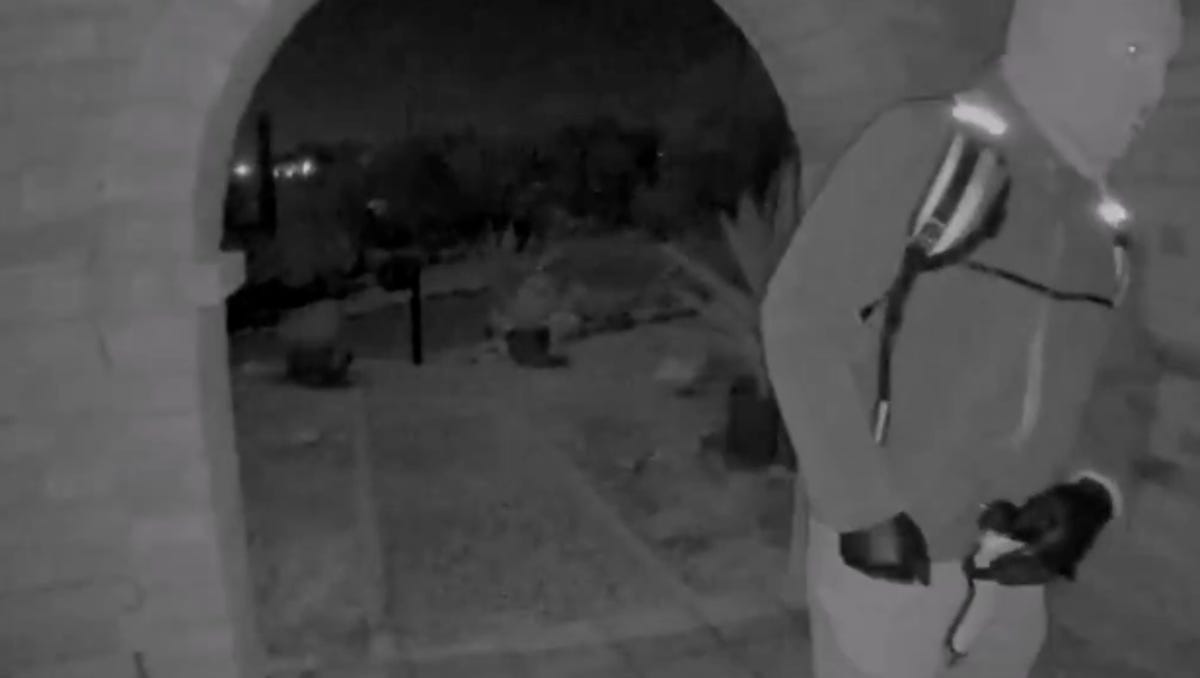
The FBI has publicly released a description and additional details concerning a person they consider to be a suspect in Nancy Guthrie’s kidnapping. This move marks a crucial phase in the investigation, shifting from internal data gathering to a broader public appeal for vigilance and cooperation.
The public release of such a description is a deliberate investigative tactic, designed to leverage the collective observation of the public. This process typically involves synthesizing information from various sources, including witness accounts, surveillance footage, or other investigative leads, into a comprehensive profile that can aid in identification and apprehension.
Forensic Leads and Digital Evidence Critical to Case
Investigators have recovered a pair of black gloves, an item that could prove significant in tracing the events surrounding Ms. Guthrie’s disappearance. The recovery of physical items like gloves initiates a stringent forensic process, where evidence is meticulously secured to preserve its integrity and prevent contamination.
Such items are then subjected to detailed laboratory analysis, where specialists examine them for fingerprints, DNA, trace evidence, or other forensic markers that can link them to individuals or the crime scene. Adherence to strict chain-of-custody protocols is essential throughout this process to ensure the admissibility and reliability of findings in any potential legal proceedings.
Complementing the search for physical evidence, law enforcement is actively seeking Ring doorbell footage from specific areas relevant to the investigation. This initiative highlights the increasing reliance on digital evidence in contemporary criminal investigations, recognizing its potential to provide crucial visual records.
Public appeals for home surveillance footage enable investigators to fill critical gaps in timelines, corroborate movements, or identify vehicles and individuals within a defined geographic area. The systematic collection and review of such digital traces can offer invaluable corroboration or new leads that might not be available through traditional investigative methods.
Broader Search Operations Underway
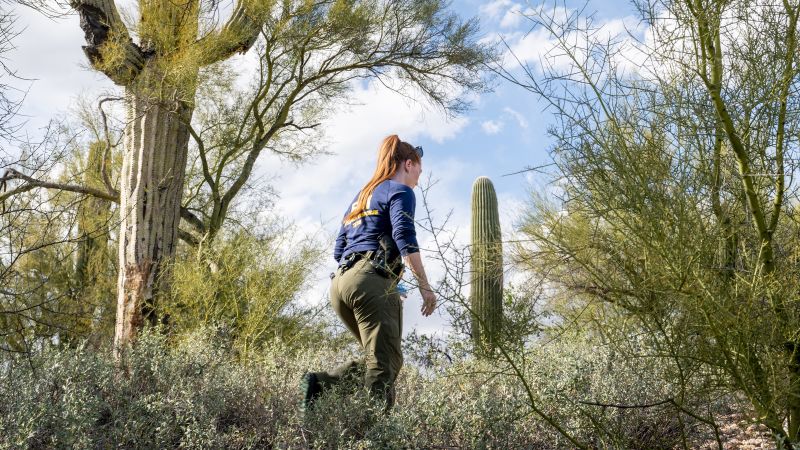
Concurrently with these developments, law enforcement agencies have expanded their search efforts in areas pertinent to the case. This expansion indicates an adaptation of investigative strategy, often in response to new intelligence or the geographical scope suggested by current evidence.
Expanding search efforts typically involves a significant logistical undertaking, coordinating resources across various specialized units and potentially multiple jurisdictions. This may include deploying ground search teams, K9 units, aerial surveillance, or marine units, all working in concert to systematically cover designated areas and locate any further evidence or Ms. Guthrie herself.
The Integral Role of Public Cooperation in Complex Investigations
These coordinated measures underscore the multi-pronged approach federal agencies deploy in efforts to resolve serious criminal investigations, particularly those involving vulnerable individuals. The strategic use of financial incentives, the detailed profiling of potential suspects, and the rigorous pursuit of both physical and digital evidence are all components of a comprehensive investigative framework.
The integration of forensic analysis, digital information gathering, and direct public engagement represents a robust strategy, vital for navigating the complexities inherent in cases of this nature. Ultimately, the successful resolution of such investigations often hinges on the effective partnership between highly trained law enforcement professionals and an informed, vigilant public whose contributions of information can prove decisive.