Ongoing Search and Rescue Operations
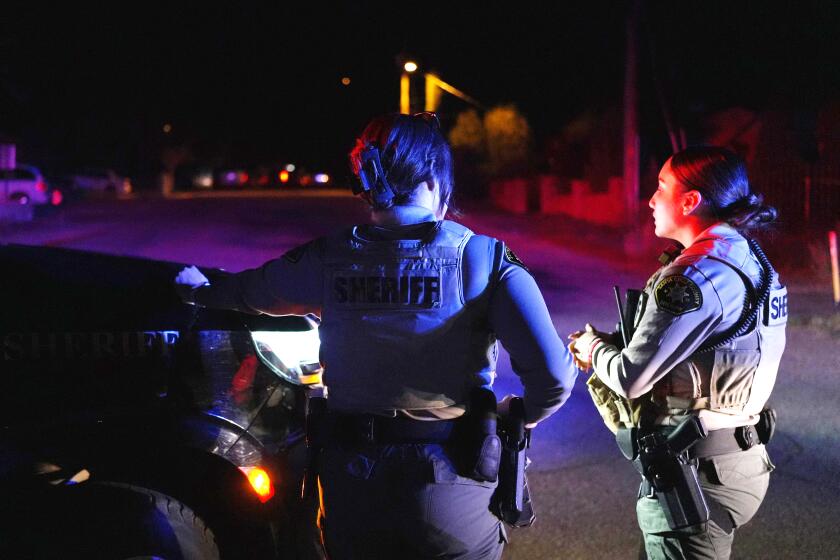
The search for Nancy Guthrie has reached its twelfth day as law enforcement officials expand their efforts across vast desert landscapes. This operation involves a multifaceted approach that integrates local resources with federal expertise to address the complexities of a prolonged missing persons case.
Authorities have confirmed that the search remains active, with specialized units focusing on the unique environmental challenges presented by the arid terrain. The transition into the second week of the investigation marks a critical period where logistical endurance and resource management become paramount for the involved agencies.
Data Management and the Influx of Public Information
Investigators are currently processing an unprecedented volume of information, citing the receipt of thousands of tips from the general public. This administrative burden requires a systematic triage process to distinguish actionable intelligence from noise within the data set.
The management of such a large influx of communications is a standardized procedural hurdle in high-profile cases involving significant public interest. Law enforcement agencies utilize specific protocols to categorize leads based on their proximity to the established timeline and the credibility of the reporting source.
Federal Involvement and Surveillance Analysis
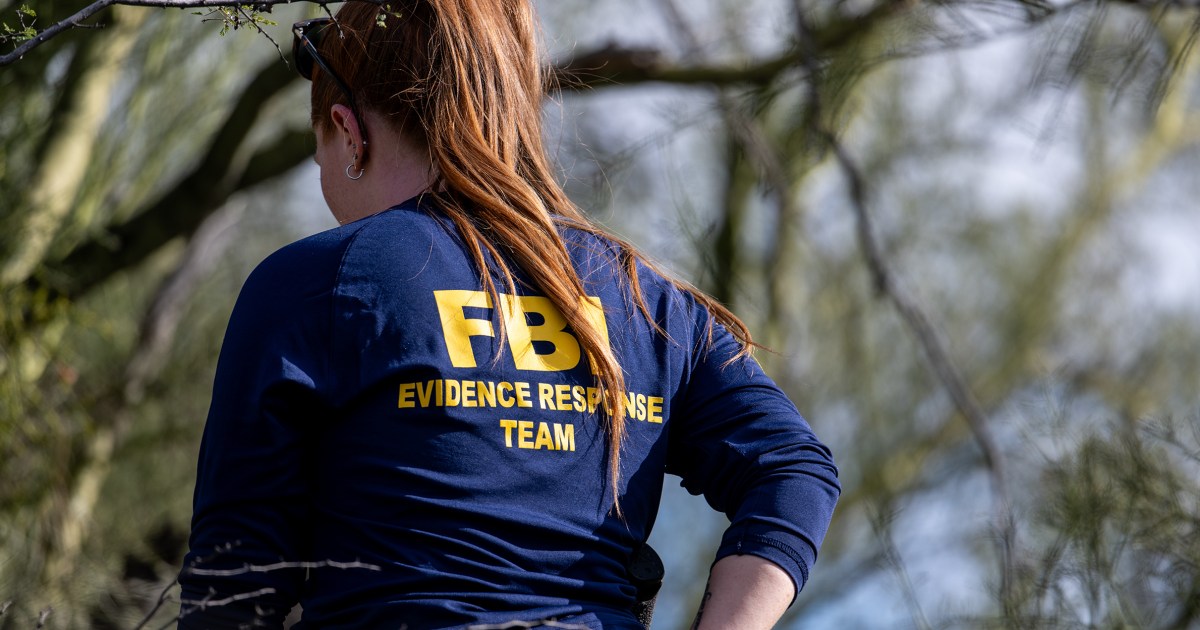
The Federal Bureau of Investigation has provided critical support to the local search efforts, specifically through the dissemination of surveillance footage. This institutional collaboration allows for a broader reach and the application of advanced forensic analysis on visual evidence.
The release of this footage serves as a strategic investigative tool designed to prompt specific memories or recognitions from those who may have been in the vicinity. By involving federal assets, the case benefits from a centralized database of behavioral patterns and investigative precedents that guide the current operational strategy.
Structural Challenges of Desert Investigation
Searching desert terrain introduces significant physical and technical barriers that distinguish it from urban or suburban investigative environments. The geographical scale of the search area requires specific search and rescue (SAR) methodologies that prioritize topographical mapping and environmental safety for personnel.
Agencies involved must account for the lack of digital footprints and witnesses in remote areas, shifting the reliance toward physical evidence and historical search patterns. These environmental factors contribute to what investigators describe as a daunting challenge that deviates from conventional investigative expectations.
The Intersection of Media and Criminal Investigation
The visibility of this case is augmented by Guthrie’s connection to a staff member of the Today show, which has maintained high levels of public and institutional attention. This media context influences the investigative environment by ensuring a continuous flow of public interest and potential leads.
Structural analysis of high-profile disappearances suggests that media saturation can both assist and complicate the judicial process. While it provides a wide net for information gathering, it also necessitates a rigorous verification process to protect the integrity of the ongoing investigation.
Procedural Integrity and the Definition of Kidnapping
Authorities have indicated that this specific case violates established patterns typically observed in kidnapping investigations. This deviation suggests an atypical set of circumstances that requires investigators to adapt their standard operational frameworks.
The legal and procedural distinction between a missing persons case and a kidnapping is governed by specific evidentiary thresholds and jurisdictional rules. Until formal judicial findings are established, the case remains an active investigation where allegations and theories are secondary to the discovery of factual evidence.
Institutional Continuity and Resource Allocation
The prolonged nature of the search into its twelfth day highlights the institutional commitment of law enforcement to resolve high-priority disappearances. Maintaining operational intensity over this duration requires significant coordination across multiple administrative layers and budgetary frameworks.
Resource allocation for such searches is often determined by the severity of the threat and the availability of forensic indicators that suggest a high probability of discovery. The ongoing nature of the Guthrie search indicates that authorities believe there is still actionable ground to cover within the geographic and evidentiary parameters of the case.
Conclusion of Current Findings
As the investigation moves forward, the primary focus remains on the synthesis of public tips, surveillance data, and physical search results. The collaboration between local police and federal bureaus ensures that all procedural avenues are being explored with high-authority oversight.
The complexities identified by investigators emphasize that the resolution of such cases often depends on a singular piece of verifiable data. Until such evidence is secured, the administrative and operational protocols for a high-priority desert search will continue to dictate the pace of the investigation.