Regulatory Adaptations for the 2026 Lunar Calendar
The anticipation of Ramadan 2026, projected to commence on February 19, necessitates a comprehensive realignment of administrative and operational frameworks. This transition is predicated on the sighting of the crescent moon, a traditional requirement that introduces a layer of logistical complexity for institutional planning. National authorities and private sector entities must prepare for a calendar shift that dictates the rhythm of commerce and governance across several regions.
Governmental bodies have initiated the dissemination of revised working hour guidelines to ensure stability within the labor market. These announcements serve as a formal mechanism to balance religious observance with the continuity of essential services and economic productivity. The implementation of reduced office hours across various countries reflects a structural commitment to accommodating the metabolic and social requirements of the fasting population.
Labor Law and the Dubai Private Sector
In Dubai, the formal notification regarding private sector working hours establishes a standardized baseline for employers and employees alike. This regulatory intervention is designed to harmonize corporate operations with the spiritual and physical demands of the month. By codifying these changes, the legal framework provides a degree of predictability for multinational organizations and local enterprises operating within the region.
The shift in labor hours is not merely a social courtesy but a formal adjustment of the contractual environment. It requires human resource departments to re-evaluate performance metrics and project timelines to account for a shortened operational window. This institutional flexibility is critical for maintaining workplace safety and employee well-being during a period characterized by significant dietary and sleep modifications.
Urban Infrastructure and the Two-Peak Rush Hour
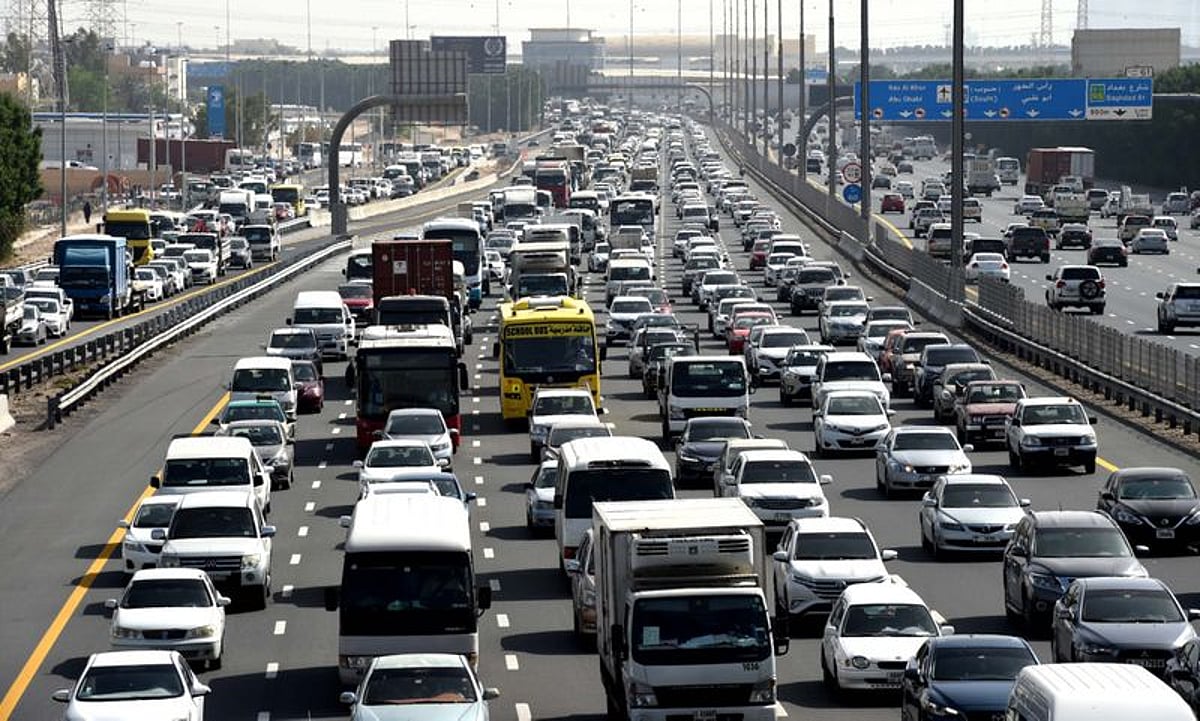
The observance of Ramadan in 2026 is expected to fundamentally transform urban mobility patterns, creating a distinct dual-peak traffic phenomenon. Traditional morning and evening commutes are superseded by an intense surge prior to the sunset iftar and a secondary peak during the early morning suhoor hours. This reconfiguration of movement requires transport authorities to implement strategic traffic management protocols to mitigate congestion and ensure public safety.
The pre-iftar period represents a high-density window where the convergence of commuters creates significant pressure on road networks. Urban planning departments must account for this concentrated demand, which often necessitates the deployment of additional law enforcement and traffic monitoring resources. The structural challenge lies in managing a population that is moving toward a single temporal goal—the sunset meal—simultaneously.
Logistics of the 4 AM Suhoor Surge
The emergence of a 4am rush hour around the time of suhoor signifies a total shift in the utilization of public space and infrastructure. This nocturnal peak transforms the hospitality and retail sectors, which must adapt their staffing and supply chains to meet unconventional demand cycles. The institutional response involves coordinating waste management, security, and public transit to support a society that remains active during late-night and early-morning hours.
Managing a city that operates with two primary rush hours requires a robust administrative apparatus capable of real-time adjustments. Transport networks must remain operational and efficient during hours that are typically reserved for maintenance or inactivity. This structural adaptation reflects a sophisticated understanding of how religious observance influences the physical movement of people within a modern metropolitan environment.
Institutional and Economic Synthesis
The documented changes for Ramadan 2026 highlight the intersection of tradition and modern governance. The ability of a state to pivot its entire labor and transport infrastructure for a specific period is a testament to the strength of its regulatory frameworks. These adjustments ensure that the societal fabric remains resilient while upholding the values and practices of the majority of its residents.
From an economic perspective, the reduction in office hours is balanced by the expansion of nighttime commercial activity. The shift in consumer behavior necessitates a corresponding shift in energy consumption and service delivery. Institutions must analyze these patterns to maintain a stable macro-economic environment while respecting the micro-level changes in individual daily lives.
Factual Constraints and Future Monitoring
While the start date of February 19, 2026, is currently the projected focus, the final determination remains subject to the crescent moon sighting. This inherent uncertainty requires a flexible administrative approach where policies can be activated upon official celestial confirmation. Such a system demonstrates the integration of traditional observational practices into the rigid structures of modern bureaucratic and legal systems.
As the date approaches, further announcements from regulatory bodies will provide the specific details required for full compliance. For now, the structural groundwork is being laid to ensure that the transition is seamless across the public and private sectors. The emphasis remains on clarity, safety, and the institutional support of a unique cultural and religious period that redefines the concept of a standard workday.