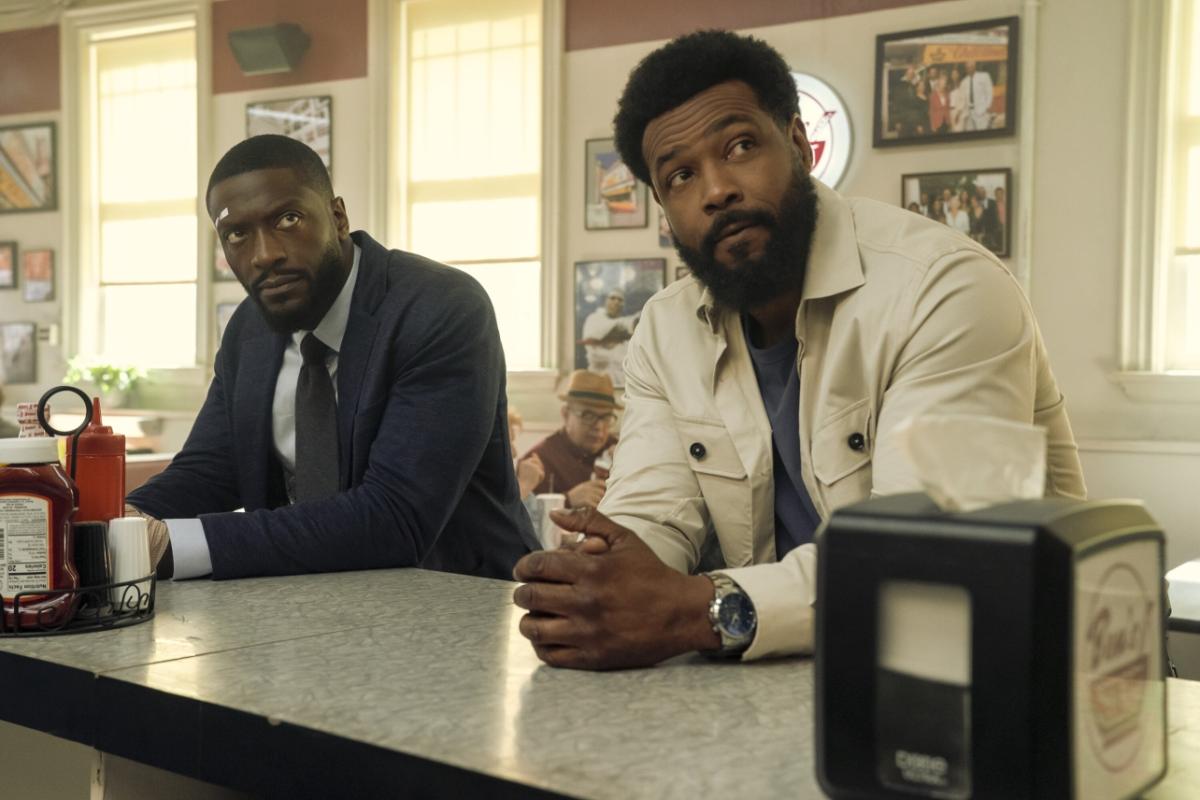
The commencement of the second season of the Prime Video series Cross introduced a notable narrative inflection point, suggesting a departure from the foundational structure of its preceding run. Specific commentary from the series’ creator, Ben Watkins, highlighted a distinct thematic emphasis for the new season, framing it explicitly around the concept of vigilantism.
This tonal shift inherently raises questions regarding the administrative decisions made in developing serialized adaptations of established literary characters, such as those originally penned by James Patterson. When source material is adapted for streaming platforms, creative teams must navigate the structural constraints of maintaining established character dynamics while introducing compelling narrative escalations to sustain audience engagement across multiple production cycles.
Structural Dynamics of Adaptation and Franchise Longevity
Season 1 of Cross, focusing on detective Alex Cross, played by Aldis Hodge, alongside his colleague John Sampson, portrayed by Isaiah Mustafa, has been characterized in critical analysis as possessing solid but not entirely exceptional execution. The previous iteration frequently exhibited structural similarities to a conventional network cop procedural, a format that prioritizes episodic problem-solving within established jurisdictional boundaries.
The explicit introduction of themes relating to vigilantism, however, suggests a deliberate move away from this conventional procedural framework. Administratively, this shift signals a strategic effort by the production entity to differentiate the series in the highly competitive streaming marketplace. Differentiating a series through thematic intensity or moral ambiguity often serves as an internal metric for justifying ongoing investment and securing future content cycles.
Thematic Evolution and Character Conflict
The series opener made it evident that the central partnership—Alex Cross and John Sampson—is immediately confronted with circumstances that demand responses outside established institutional protocols. When a narrative pivot centers on vigilantism, it inherently challenges the administrative and ethical boundaries under which law enforcement characters are typically required to operate within established continuity.
This thematic framing implies an internal examination of the constraints placed upon officially sanctioned investigative work. A procedural structure relies on adherence to due process, chain of command, and evidence collection governed by specific legal standards. Introducing vigilantism as a core component introduces friction against these structural safeguards, potentially creating opportunities for deeper character exploration regarding institutional trust and personal morality.
Platform Strategy and Content Differentiation
Prime Video, as the distributing platform, operates within a content acquisition strategy that favors high-concept serial narratives capable of retaining subscribers. Series based on pre-existing intellectual property benefit from inherent recognition, but sustained success requires consistent narrative evolution that justifies the expense of producing high-quality serialized drama.
The creator’s explicit framing of Season 2’s focus—vigilantism—acts as a public declaration of this strategic recalibration. It suggests an assessment that the previous season’s adherence to standard procedural pacing may have reached its limits in terms of generating critical momentum or driving subscriber interest beyond the initial audience capture phase. Future seasons in such arrangements are often contingent upon demonstrating narrative elasticity that can incorporate darker, more complex societal commentary without severing the foundational ties to the source material.
Institutional Relevance of Character Arcs
The character of Alex Cross, historically a representation of methodical, data-driven investigation, faces an increased conceptual hurdle when confronted with extralegal action. For an institutional series to maintain credibility while exploring these boundaries, the narrative must carefully manage the depiction of official responses to non-official justice-seeking behavior. This requires a nuanced approach to depicting internal affairs oversight or the legal ramifications faced by characters who step outside their mandated roles.
The structural implication here is the challenge of maintaining the audience’s investment in characters who are traditionally pillars of the legal system, while simultaneously exploring the public and personal appeal of extra-judicial action. This balancing act defines the sustainability of adapting popular detective fiction for contemporary streaming consumption, where audience expectations often trend toward narratives that challenge systemic norms.
Media Context and Franchise Management
The continuous management of a recognizable literary franchise across different media formats requires constant calibration between fan expectation and commercial viability. While the source material provides the initial blueprint, the execution on a platform like Prime Video is judged by its ability to compete against original content that does not carry the legacy baggage of existing character definitions.
The reporting on the season opener and the accompanying commentary serve as key data points in managing this franchise perception. They manage expectations regarding the tone and scope of the forthcoming episodes, signaling to established viewers that the series is engaging in a deliberate transformation, potentially addressing critiques that Season 1 was overly conventional in its structure.