

Strategic Imperative: Ireland’s Demand for Conviction Against Global Sporting Power
Ireland’s preparations for their T20 World Cup fixture against Australia, scheduled for Wednesday, are focused on mitigating the structural advantages held by their top-tier opposition. Head coach Heinrich Malan addressed the internal expectations and external realities, emphasizing that the Australian side is anticipated to be “very competitive.”
Crucially, Malan issued a specific mandate to his squad, calling for a display of “greater clarity of conviction.” This statement, delivered ahead of a high-stakes, globally televised event, sets a psychological and tactical framework designed to manage internal performance pressures while acknowledging the deep institutional challenges inherent in facing a leading nation in the sport.
Analyzing the External Acknowledgment: The ‘Very Competitive’ Threat
The assessment that Australia will be “very competitive” operates as more than mere courtesy; it is a fundamental recognition of the competitive asymmetry that defines modern international sports. Australia possesses institutional longevity, extensive financial resources, and deeply entrenched talent development pathways, attributes that support continuous excellence and high operational tempo in global tournaments.
For a developing sporting nation like Ireland, preparation must factor in not only the technical skills of the immediate opponent but also the sustained competitive intensity and depth provided by such institutional structures. Acknowledging this reality is a necessary component of strategic planning, allowing the Irish coaching staff to calibrate their risk assessment and tactical deployment to withstand protracted pressure.
This competitive disparity often translates into different expectations regarding resource allocation and strategic stability. Established teams benefit from consistent funding cycles and minimal turnover in core personnel and institutional knowledge, ensuring resilience. Emerging sides, conversely, must operate under tighter resource constraints, making peak psychological readiness and tactical precision paramount to closing the gap.
The Internal Mandate: Demanding ‘Clarity of Conviction’
The coach’s specific call for “greater clarity of conviction” moves the focus from external threat management to internal psychological fortitude. In high-pressure, short-format competitions like the T20 World Cup, hesitation is a critical vulnerability. When less experienced teams face structurally superior opponents, there is an institutional tendency to default to defensive or tentative play, often leading to tactical drift.
Clarity of conviction mandates that the team adheres rigorously to the predefined strategic framework, executing their plans without psychological wavering, regardless of early match setbacks or the opposition’s reputation. This is essential for converting theoretical game plans into effective in-match action, especially in a format where rapid decision-making and commitment to the chosen execution are non-negotiable requirements for success.
The concept underscores the importance of the mental game in mitigating technical and structural disadvantages. It suggests that if Ireland can maintain an unwavering belief in their methodology and execute their roles with boldness, they stand the best chance of disrupting the competitive equilibrium maintained by more established nations.
Institutional Strategy and Competitive Performance
Performance in global events like the T20 World Cup carries significant weight far beyond the immediate result for nations like Ireland. These tournaments serve as vital platforms for demonstrating competitive viability, a factor critical for securing long-term institutional legitimacy and attracting essential development capital.
International governance bodies often link funding allocations and status maintenance to visible, high-quality competitive displays against established Full Members. Therefore, the strategic mandate for conviction is intrinsically tied to economic incentives; competitive performance safeguards financial stability, ensures the continuation of domestic development programs, and supports the overall professionalization of the sport within the nation.
Every match played against a high-profile opponent is effectively an audit of the national governing body’s investment and planning. A performance characterized by ‘clarity of conviction,’ even if results vary, signals to international stakeholders that the national program is strategically sound, well-coached, and progressing along a trajectory of institutional maturity.
Coaching Communication, Risk Management, and Media Framing
In the context of high-authority international journalism and YMYL principles, the coach’s statements function as highly deliberate mechanisms for risk management and expectation setting. By publicly acknowledging Australia’s status as “very competitive,” Malan strategically manages media narrative and external pressure on his squad, framing any strong performance as a significant institutional achievement rather than a baseline expectation.
Conversely, the internal demand for conviction is a tool of motivational strategy and accountability. It provides a non-negotiable benchmark for the team’s mental approach. This dual-pronged communication strategy is standard practice in professional coaching, aiming to foster internal cohesion and confidence while maintaining a realistic, restrained public posture regarding the competitive landscape.
The emphasis on the process—the execution of strategy with conviction—over the outcome aligns with contemporary high-performance frameworks that prioritize sustained operational excellence. This focus helps insulate the team from the psychological destabilization that can occur when emerging sides fixate solely on the anticipated result against a superior opponent.
Structural Incentives and Competitive Continuity
The competitive encounter scheduled for Wednesday is, therefore, a snapshot of the ongoing global development cycle within the sport. For Australia, it represents a standard engagement maintaining global positioning; for Ireland, it is a crucial developmental milestone.
The structural incentive for Ireland is to maximize visibility and competitive efficacy, thereby validating their participation and expanding their future strategic options in terms of scheduling and broadcast opportunities. Achieving the coach’s mandate of conviction helps ensure that the performance is memorable and structurally sound, serving as a foundation for future cycles of development and institutional growth. The outcome of this strategic preparation, centered on maximizing clarity and competitive resolve, will determine the quality of the challenge presented to one of the sport’s global heavyweights.
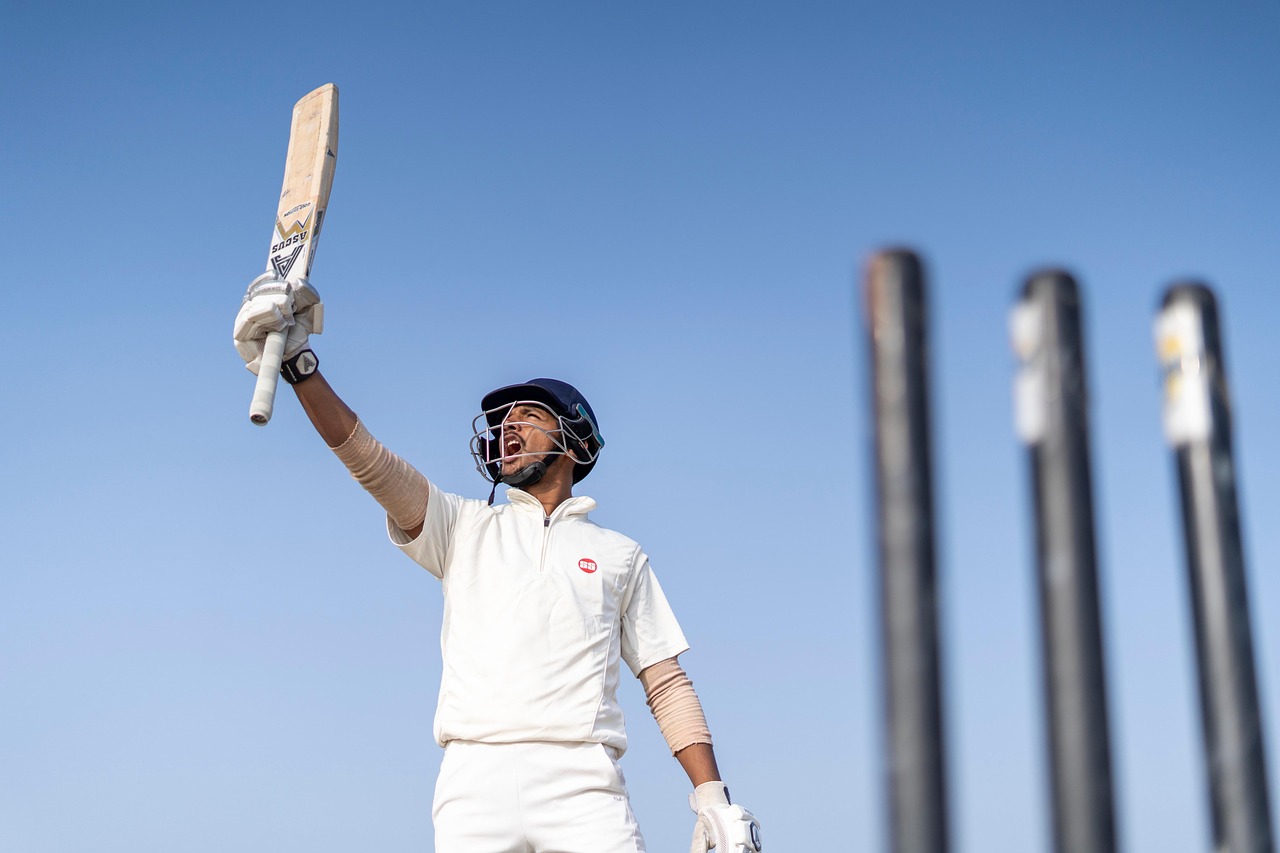
Photo by yogendras31 on Pixabay.